




























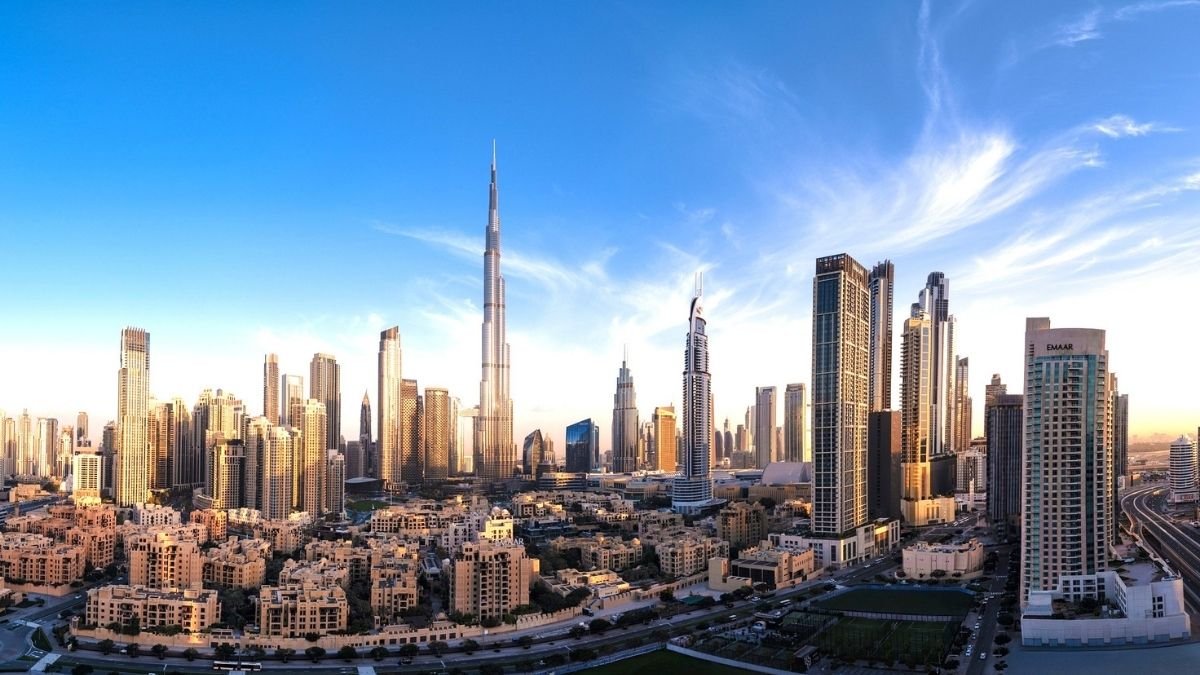
Dubai, UAE — Dubai’s residential market in 2025 was not defined by a single segment or buyer profile. Instead, transaction data across value bands, volumes, deliveries, and active construction points to a market increasingly characterised by depth, repeatability, and segmentation — a shift that matters as the emirate enters a heavier supply cycle over the next two years.
The Dubai developer sales rankings 2025 underline how demand remained active at both ends of the price spectrum, with luxury transactions above AED 15 million and mass-market sales below AED 2 million recording sustained activity. Market data compiled from DXB Interact and analysed by fäm Properties shows that this balance helped absorb large volumes of off-plan launches without visible price disruption across core residential corridors.
Sales Concentration Shows Scale And Segmentation
By sales value, Emaar retained its lead position, generating AED 65.8 billion in residential sales during 2025, followed by DAMAC Properties at AED 35.9 billion and Binghatti at AED 26.0 billion, according to DXB Interact data. Nakheel, Sobha, and Meraas followed closely, highlighting how both master developers and high-volume private players shaped liquidity across districts.
Also read: Dubai Residential Market Matures as 2025 Sets Liquidity Record
Volume data tells a different, but complementary, story. Binghatti emerged as the top developer by transaction count, completing 17,061 deals during the year, ahead of DAMAC with 15,393 and Emaar with 13,149. This divergence between value leadership and volume leadership reflects a market split between premium-led capital deployment and high-turnover mid-market absorption.
For investors, the Dubai developer sales rankings 2025 illustrate how pricing power and liquidity no longer sit with a single business model. Scale in construction, delivery discipline, and product pricing bands now determine outcomes more than brand positioning alone.
Luxury And Affordable Segments Move In Parallel
At the top end, Nakheel led sales above AED 15 million, recording AED 16.9 billion across 672 transactions. Emaar followed with AED 15.7 billion from 680 deals, while Meraas recorded AED 9.5 billion from 289 transactions. These figures point to continued appetite for high-ticket properties, particularly in established waterfront and branded districts, even as price sensitivity has increased elsewhere.
At the opposite end of the spectrum, properties priced below AED 2 million continued to anchor transaction volumes. Binghatti led this segment with AED 16.2 billion across 14,627 transactions, followed by DAMAC and Sobha. This tier remains central to first-time buyers, investors targeting rental yields, and overseas purchasers seeking manageable ticket sizes.
Market observers note that the coexistence of strong luxury and affordable demand reduces systemic risk, as price corrections in one segment are less likely to cascade across the entire market.
Delivery And Construction Data Signal Execution Risk
Beyond sales, delivery metrics provide insight into execution capacity — a critical variable as Dubai’s supply pipeline expands. Emaar delivered 27 projects and 7,318 residential units during 2025, more than any other developer. Binghatti, Azizi, and Meraas followed, reflecting a growing group of developers capable of converting launches into handovers.
Also read: Dubai Off-Plan Property Market 2025: Record Sales, Supply Risks Ahead
However, construction pipeline data suggests rising execution pressure. Emaar ended the year with 51,032 units under active construction, followed by DAMAC with 46,554 and Azizi with 36,464. While this underscores confidence in forward demand, it also highlights the scale of absorption required between 2026 and 2028.
Analysts caution that delays, phased handovers, or selective repricing could emerge if delivery schedules cluster too tightly, particularly in mid-market districts where competing supply is densest.
Off-Plan Dominance Persists, But Buyer Filters Tighten
The dominance of off-plan transactions remains a defining feature of the Dubai developer sales rankings 2025, with most high-volume players relying on forward sales to fund construction. While this model has functioned smoothly in recent cycles, buyers have become more selective, focusing on track record, escrow discipline, and realistic completion timelines.
This is particularly relevant for Indian and NRI investors, who continue to feature prominently in Dubai’s mid-market and premium segments. Currency stability against the dirham, combined with rental yield visibility, has supported interest, but investors are increasingly balancing off-plan exposure with ready or near-completion assets.
Firas Al Msaddi, CEO of fäm Properties, said the parallel strength of luxury and affordable segments shows demand “is not concentrated in one area,” adding that liquidity in both tiers points to a diversified market supported by both investors and end-users. His assessment aligns with transaction data showing that sales volumes remain repeatable rather than episodic.
Risks To Monitor As Supply Expands
Despite robust performance, risks remain visible. High volumes of active construction increase sensitivity to interest-rate movements, global liquidity shifts, and household affordability. Developers with thinner balance sheets or aggressive launch schedules may face pricing pressure if absorption slows.
Additionally, as mortgage penetration rises, any tightening in lending criteria could disproportionately affect mid-market demand, even if headline sales figures remain strong.
What To Watch Next
Looking ahead, attention will centre on how 2026 handovers are phased, whether transaction volumes hold as supply peaks, and how pricing behaves in districts with overlapping launches. Market participants will also monitor whether volume leaders can maintain delivery discipline while scaling construction pipelines.
The Dubai developer sales rankings 2025 reflect a market that has moved beyond momentum-driven growth toward structural depth. For investors, the data highlights the importance of developer selection, delivery history, and segment positioning rather than headline sales alone. End-users benefit from wider choice and stabilising price dynamics, while Indian and NRI buyers continue to find relevance in Dubai’s mid-market and premium segments — provided execution risk and entry timing are assessed carefully.
Dubai real estate, Dubai developer rankings, off-plan housing Dubai, luxury property Dubai, affordable housing Dubai, DXB Interact, Emaar, Binghatti, DAMAC, Nakheel, Indian investors UAE, NRI property investment,
Discover more from Invest Dubai Today - Dubai Realty Insights
Subscribe to get the latest posts sent to your email.