














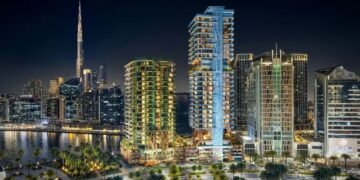







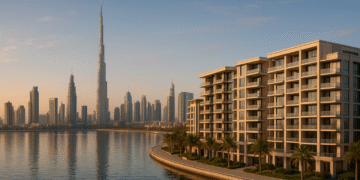


Dubai, UAE — Execution timelines are becoming a defining factor in investor decision-making across the UAE property market, as buyers increasingly prioritise delivery visibility over launch-stage pricing. The latest UAE real estate construction progress update from Dubai Investments Real Estate (DIR) reflects a broader shift toward execution-led positioning, particularly in a market where off-plan activity remains dominant.
Developers demonstrating measurable progress across multiple projects are gaining an advantage as investors assess risk through construction milestones rather than marketing narratives.
What Happened
Dubai Investments, through its wholly owned subsidiary Dubai Investments Real Estate, reported continued progress across its residential portfolio in Dubai and Ras Al Khaimah, with projects advancing in line with previously announced timelines.
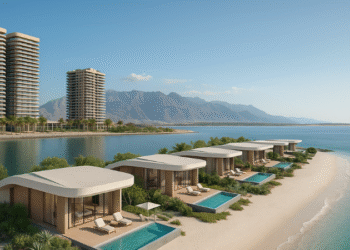
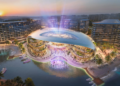
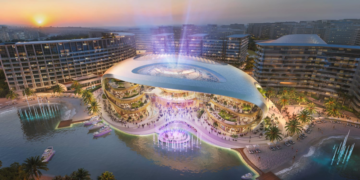
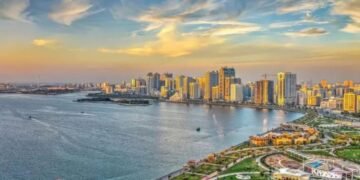
At Danah Bay on Al Marjan Island in Ras Al Khaimah, the residential tower has reached 32.1% completion, while the hotel tower stands at 24.0% completion. Foundation and substructure works have been completed for both towers, with superstructure construction currently underway. The residential tower is scheduled for completion in Q1 2027, while the hotel is expected by Q3 2027.
Within the same development, the villa phase comprising 189 units has reached full construction completion, with partial handovers already underway across selected packages.
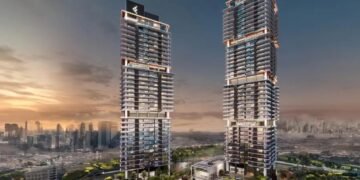
In Dubai, Violet Tower in Jumeirah Village Circle has reached 57.61% completion and remains on track for handover in Q4 2026.
At Asayel Avenue in Mirdif Hills, construction has progressed to 28.47% completion since its start in Q2 2025, with handover expected by Q2 2027.
The company said all projects are progressing in line with planned construction and delivery schedules.
Execution Becomes a Key Differentiator
The latest UAE real estate construction progress update reflects a broader market shift where execution capability is becoming as important as project positioning.
Dubai’s property market has seen strong off-plan activity over recent years, supported by flexible payment plans and sustained investor demand. According to data from platforms such as DXB Interact, primary sales continue to account for a significant share of transactions, indicating continued reliance on under-construction inventory.
In this environment, construction milestones have become a critical signal of project viability. Structural completion, superstructure progress and handover timelines are increasingly used by investors to assess risk and liquidity.
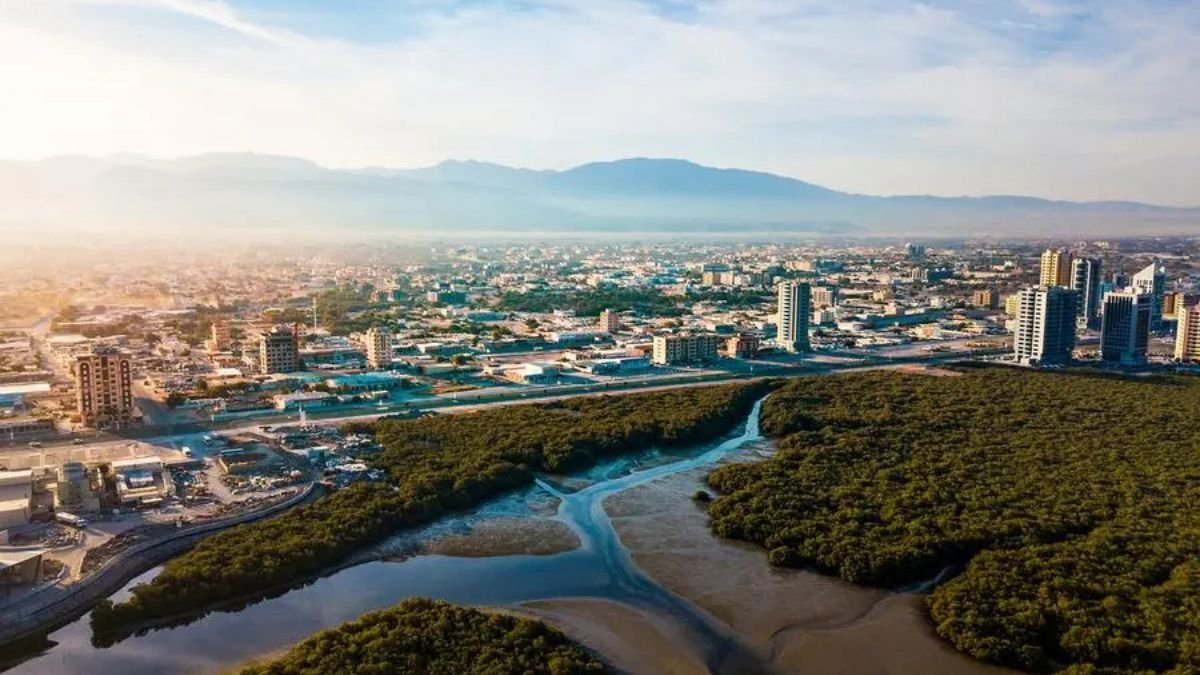
At the same time, Ras Al Khaimah has emerged as a growing real estate destination, driven by large-scale developments and tourism-linked infrastructure. Projects such as Danah Bay are entering the market as the emirate attracts investor attention, particularly in coastal and mixed-use developments.
The combination of projects across Dubai and Ras Al Khaimah reflects a geographically diversified development strategy, aligning with broader trends in the UAE where capital is being deployed across multiple emirates.
Risk Reduction Through Construction Milestones
From an investor standpoint, the UAE real estate construction progress across multiple projects highlights the role of execution visibility in reducing perceived risk.
Projects that have completed structural phases or reached mid-stage construction typically offer higher confidence compared to early-stage launches. In the case of Dubai Investments’ portfolio, the completion of villa units at Danah Bay represents fully de-risked inventory, while the progress of towers in both Dubai and Ras Al Khaimah indicates movement toward delivery.
Different projects within the portfolio also cater to distinct investor profiles. Jumeirah Village Circle remains a high-transaction residential district in Dubai, supported by rental demand and mid-market pricing. Meanwhile, Al Marjan Island in Ras Al Khaimah is positioned as a growth market, where investors may be targeting longer-term capital appreciation linked to tourism and infrastructure development.
For overseas investors, including those from India, such diversified exposure across locations and asset types can influence allocation strategies, particularly when balancing income generation in mature markets with potential upside in emerging ones.
Execution Risks and Market Constraints
Despite visible progress, execution risk remains an inherent factor in large, multi-project development pipelines.
Construction timelines must be managed across different sites, contractors and supply chains, which can introduce variability in delivery schedules. Rising material costs and labour availability also continue to influence project timelines across the region.
In addition, the pace of new supply entering markets such as Jumeirah Village Circle could affect rental performance if absorption does not keep pace with completions. Similarly, emerging markets such as Ras Al Khaimah remain dependent on sustained demand growth to support pricing and occupancy levels.
The ability of developers to maintain delivery schedules across multiple projects will therefore remain a key factor influencing investor confidence.
What To Watch Next
The current UAE real estate construction progress provides a snapshot of execution momentum, but the next phase will depend on actual delivery and market absorption.
Investors will be watching whether projects meet their stated handover timelines, particularly in a market where delays can impact both returns and liquidity. Rental performance in high-supply districts such as Jumeirah Village Circle will also be closely monitored.
At the same time, demand trends in Ras Al Khaimah will be a key indicator of how emerging markets perform as new inventory is delivered.
Implications for Investors and End-Users
For investors and end-users, particularly Indian and NRI buyers, the UAE real estate construction progress across Dubai and Ras Al Khaimah highlights the increasing importance of execution certainty in property decisions.
While pricing and location remain key factors, construction progress is becoming a primary filter for assessing risk, especially in off-plan investments. Projects that demonstrate steady advancement through construction stages tend to offer greater confidence around delivery timelines and eventual usability.
As the UAE property market continues to evolve, execution capability is likely to remain a defining factor shaping investor behaviour, particularly in segments where supply pipelines are expanding across multiple locations.
Discover more from Invest Dubai Today - Dubai Realty Insights
Subscribe to get the latest posts sent to your email.