

















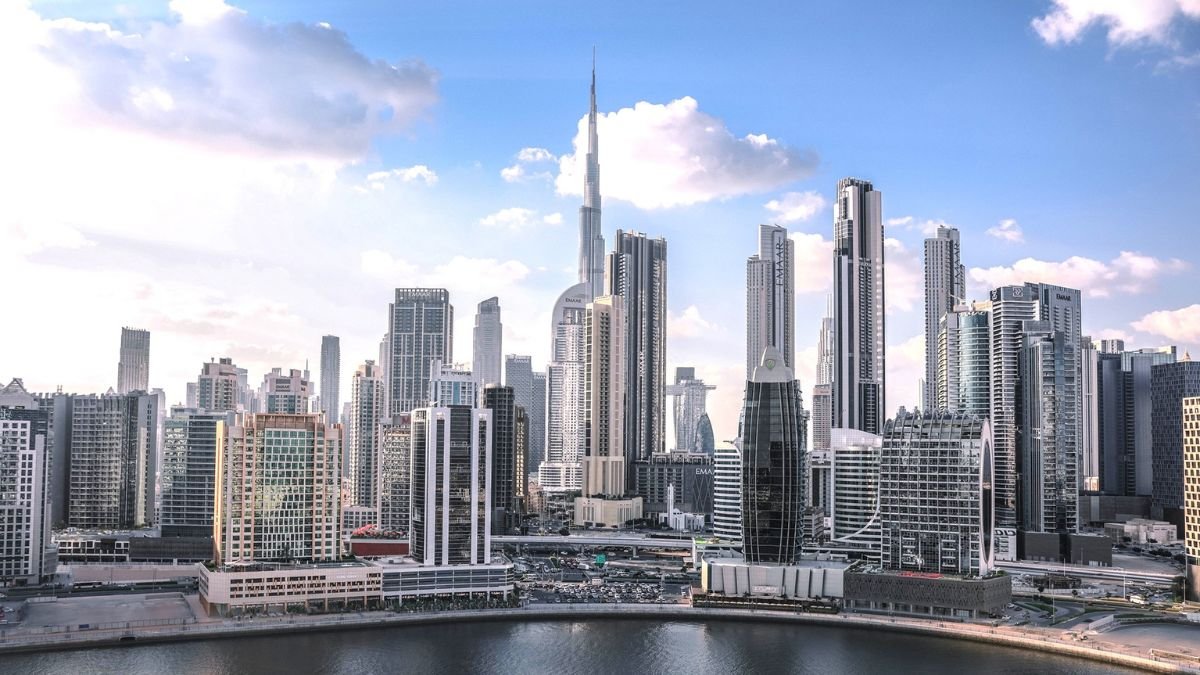
Dubai, UAE — Dubai’s property market is entering a phase where rising project launches are beginning to reshape supply visibility, even as execution across existing developments remains on track. For investors, the current Dubai real estate project launch momentum matters less for volume and more for what it signals about future absorption risk and pricing discipline.
Across March 2026, developers continued to introduce new residential and commercial projects while maintaining construction timelines, pointing to a market that is expanding on both the supply and execution fronts.
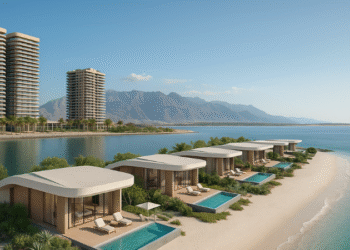
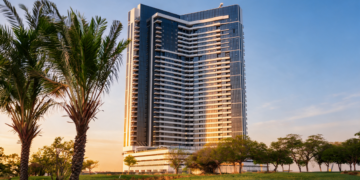
Launch of Golf Valley
New project activity accelerated across Dubai, with multiple developers announcing launches across residential and commercial segments.
Emaar Properties launched Golf Valley within Emaar South, comprising 262 residential units. National Properties announced a AED500 million commercial tower in Barsha Heights, while Zoya Developments introduced the Nové project in Dubailand with investments exceeding AED200 million.
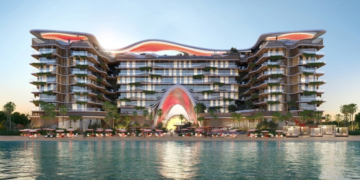
Additional launches included Rise Residences in Warsan by OAM Real Estate Development, alongside Azizi Developments’ Creek Views 4 project in Al Jaddaf, extending an existing multi-phase development pipeline.
Meanwhile, Dubai Multi Commodities Centre outlined further plans for its Uptown district, including a tower expected to exceed 600 metres in height.
At the transaction level, Dubai recorded a AED422 million apartment sale, ranking among the highest-value residential deals in the market’s history.
Execution Remains Intact
Alongside new launches, developers reaffirmed construction progress across portfolios.
Deyaar Development said it is preparing to complete its Jannat project in Dubai Production City ahead of schedule, while also planning to deliver around 2,000 residential units across multiple developments.
Dubai Investments Real Estate and Binghatti confirmed ongoing construction activity in line with planned timelines, with the latter reporting weekly sales of around AED500 million.
Developers including Nakheel, Dubai Properties and Meraas also indicated that project execution continues without disruption.
Supply Expands Across Segments
The current Dubai real estate project launch momentum reflects a market where supply is being added across price points and asset classes.
Residential launches span mid-market to premium segments, while commercial developments indicate continued demand for office and mixed-use assets. This aligns with broader trends observed by platforms such as DXBinteract, which show sustained transaction activity alongside rising inventory pipelines.
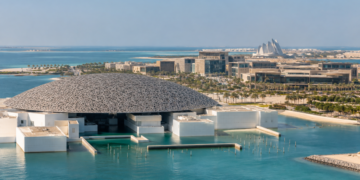
At the same time, activity is not limited to Dubai. In Abu Dhabi, Aldar Properties reported steady operations across residential, retail, and logistics assets, while new projects such as Baccarat Residences Saadiyat and Modon’s Tara Park signal continued expansion.
Sharjah also recorded strong transaction growth, with property deals rising significantly during Ramadan, supported by infrastructure-linked developments such as Arada’s Masaar community.
From Demand to Absorption
For investors, the increase in launches shifts attention toward how quickly new supply can be absorbed.
The current phase suggests a market transitioning from demand-driven momentum to a more balanced cycle, where:
- Launch volume is rising
- Execution remains strong
- Buyer selectivity is increasing
High-value transactions, including the AED422 million apartment sale, indicate continued depth in premium demand. However, broader supply expansion introduces questions around pricing sustainability, particularly in segments where multiple projects are being launched simultaneously.
Off-plan activity remains a key driver, but the growing pipeline increases the importance of delivery timelines and developer track record when assessing risk.
Supply Visibility is Rising Faster Than Demand Signals
The main constraint emerging from the current Dubai real estate project launch momentum is the visibility of future supply.
While construction progress remains steady, the volume of upcoming units could begin to exert pressure on pricing if demand does not scale proportionately. This is particularly relevant in mid-market segments, where competition between projects tends to be higher.
Execution risk remains relatively contained for established developers with proven delivery records. However, newer entrants and smaller developers may face greater exposure if market conditions soften.
What To Watch Next
The next phase of the market will depend on how launch activity translates into actual absorption.
Key indicators include:
- Off-plan sales velocity
- Project completion timelines
- Secondary market liquidity
Developers that maintain disciplined launch schedules and deliver on time are likely to retain pricing power, while those relying heavily on future demand may face increasing pressure.
For investors and end-users, including Indian and NRI buyers, the current phase of Dubai real estate project launch momentum reflects a market offering wider choice but also requiring more selective decision-making. Currency movements and entry timing may influence affordability, but execution certainty and location-specific demand will increasingly determine outcomes. As supply expands, the focus is shifting from access to opportunity toward the quality and timing of that opportunity.
Discover more from Invest Dubai Today - Dubai Realty Insights
Subscribe to get the latest posts sent to your email.