













Dubai, UAE — Dubai’s property market is increasingly shifting toward execution, as developers move from launch momentum to construction delivery. The latest Dubai South project construction contract reflects this transition, highlighting how funding visibility and build timelines are becoming central to investor decision-making as supply pipelines expand.
Contract Award and Project Scope
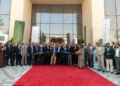
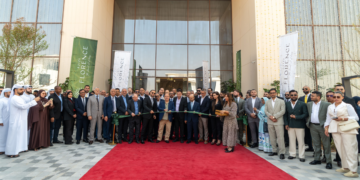
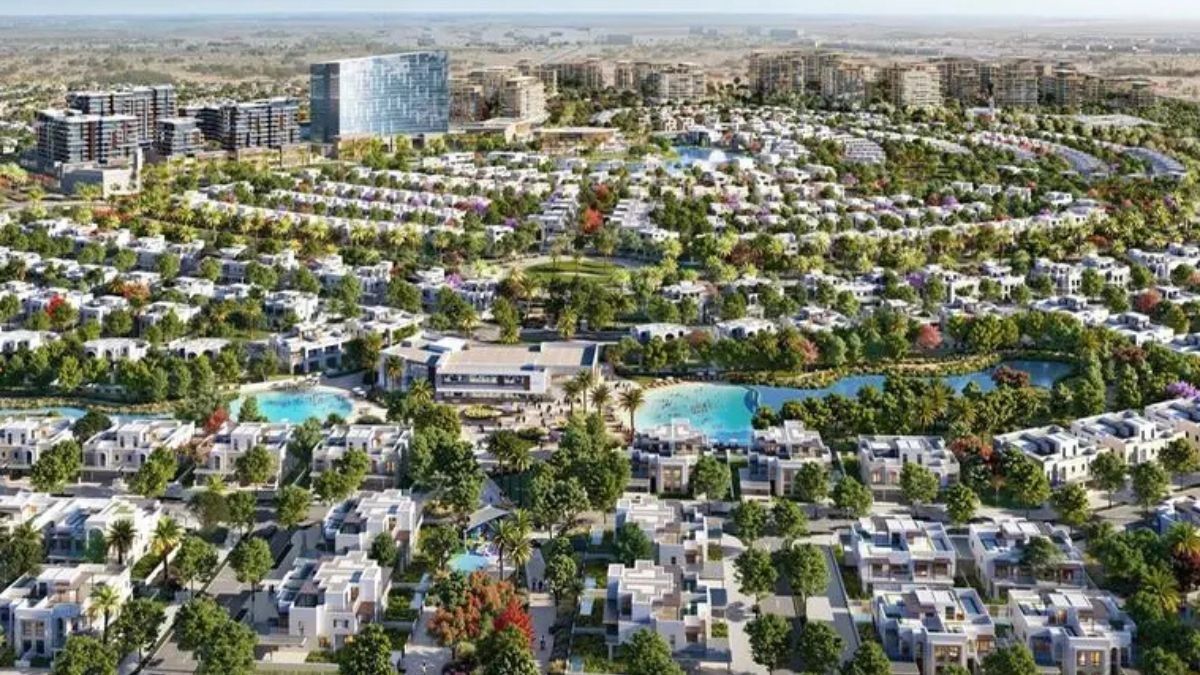
Dubai South Properties has awarded a AED2 billion contract to Mohammed Abdulmohsin Al Kharafi & Sons LLC for multiple phases of the HAYAT development.
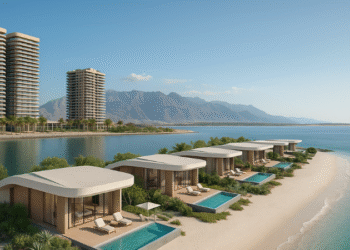
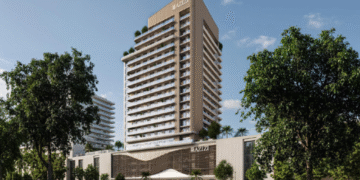
The master-planned community spans 10 million square feet and is expected to include approximately 2,500 residential units, ranging from townhouses and villas to apartments and hotel apartments. Construction is scheduled to begin in the second quarter of 2026, with initial phases targeted for completion by 2028.
Also read: Dubai South Furnished Apartments Launch at Sub-AED 650k
The project is located within Dubai South, close to Al Maktoum International Airport, with access to major road networks including Sheikh Mohammed bin Zayed Road and Emirates Road, as well as proximity to Jebel Ali Free Zone and Dubai South Free Zone.
Nabil Al Kindi, Group CEO of Dubai South, said the project has seen strong demand since its launch in 2025, reflecting investor interest in the area and continued expansion of the developer’s residential portfolio.
Execution Moves to the Forefront
The Dubai South project construction contract marks a shift from pipeline announcement to on-ground delivery in one of Dubai’s key expansion corridors.
In the current market cycle, where off-plan launches remain active, the ability to progress construction according to schedule is becoming a differentiating factor. Developers advancing projects into the execution phase signal both capital readiness and commitment to delivery timelines, which are increasingly scrutinised by buyers.
This is particularly relevant in outer districts such as Dubai South, where project timelines are closely tied to infrastructure development and economic activity.
Supply Expands in Growth Corridors
Dubai South continues to evolve as a long-term growth zone, anchored by the expansion of Al Maktoum International Airport and surrounding logistics and free zone activity.
The addition of around 2,500 units through HAYAT contributes to a growing residential pipeline in the area. Data from DXBinteract indicates that transaction activity in emerging districts has increased as buyers seek relatively lower entry points and larger-format housing compared to central locations.
However, the scale of planned supply across such corridors introduces greater visibility into future inventory, which may influence pricing dynamics as projects move closer to completion.
Delivery Timelines and Location Maturity
For investors, the Dubai South project construction contract shifts focus toward execution certainty and the timing of returns.
Projects in peripheral areas typically require longer holding periods, with value creation linked to infrastructure maturity and population growth. The mix of housing types within HAYAT suggests an attempt to cater to a broad base of buyers, including end-users and investors entering at earlier price points.
Also read: Takmeel Targets Dubai South Freehold Apartments Market
Demand signals since launch indicate interest in the location, but the pace of absorption will ultimately depend on how quickly the surrounding ecosystem develops.
Risk and Constraint
The primary risk associated with the Dubai South project construction contract lies in supply concentration within a developing corridor.
As multiple projects progress simultaneously, the volume of upcoming units could outpace near-term demand, particularly if infrastructure expansion or job creation does not accelerate in parallel. This may place pressure on pricing or extend holding periods for investors.
Execution timelines also remain a key variable, as delays in large-scale developments can impact both delivery schedules and investor confidence.
What To Watch Next
The next phase of activity in Dubai South will depend on construction progress and the pace at which new supply is absorbed.
Indicators to monitor include sales velocity during development, leasing demand after handover, and the timing of infrastructure milestones linked to the airport and free zones. These factors will shape how quickly the area transitions from a development corridor to a fully active residential market.
For investors and end-users, particularly Indian and NRI buyers, the Dubai South project construction contract reflects access to early-stage development opportunities at relatively lower entry points. This comes with a trade-off between pricing advantage and timing risk, as returns depend on execution and the pace of area maturity. As Dubai expands outward, project selection is increasingly tied to delivery certainty and infrastructure alignment rather than location alone.
Discover more from Invest Dubai Today - Dubai Realty Insights
Subscribe to get the latest posts sent to your email.