


















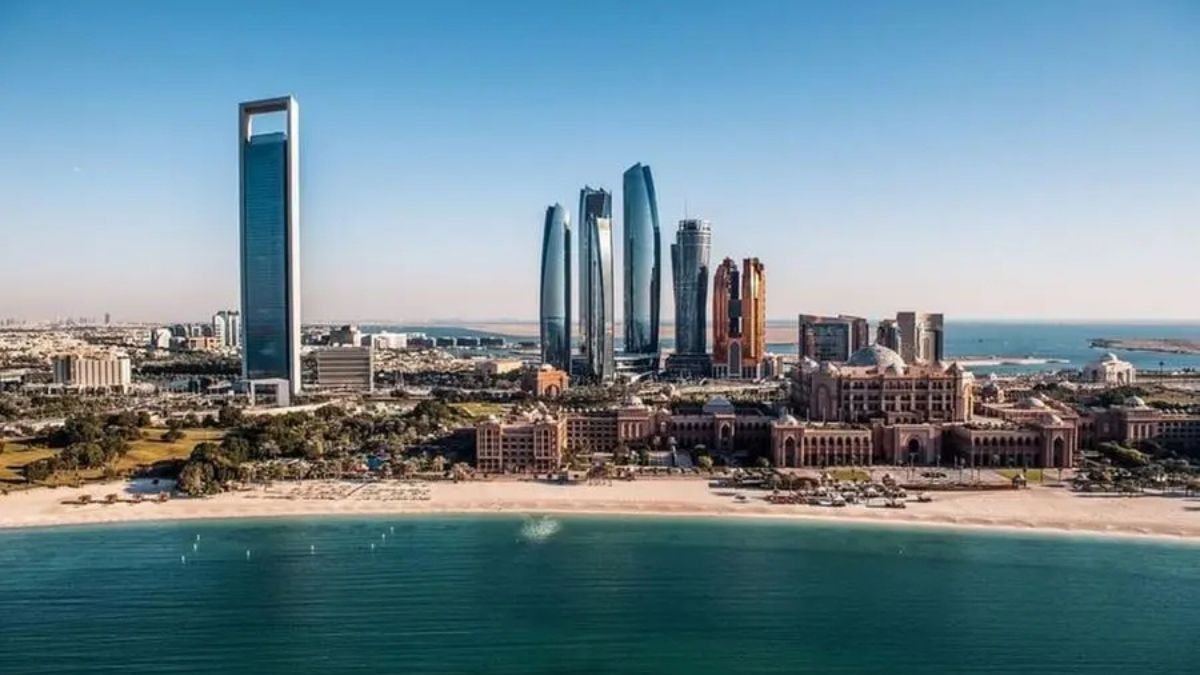
Abu Dhabi, UAE — Abu Dhabi is increasingly deploying real estate assets as long-term income-generating instruments to fund social programmes, signalling a structural shift in how capital is allocated within the UAE property sector. The UAE waqf real estate model is gaining traction as authorities and developers collaborate to create assets designed to deliver recurring returns rather than immediate sales proceeds.
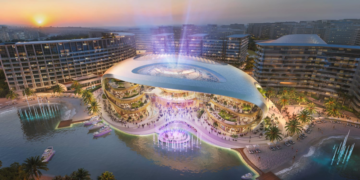
Against this backdrop, Eagle Hills has signed a memorandum of understanding with the Endowments and Minors’ Funds Authority (Awqaf Abu Dhabi) to develop a commercial project valued at AED1 billion, aimed at supporting the “Mother of the Nation Endowment for Orphans.”
The initiative reflects a broader move toward institutionalising endowment-backed real estate, where income from completed assets is channelled into long-term social funding mechanisms.
What Happened
Under the agreement, Eagle Hills will develop and deliver a commercial asset designed to generate sustainable financial returns. According to the parties involved, proceeds from the project will be allocated to support orphans in the UAE across sectors such as education, healthcare and living standards.
The project is part of the “Mother of the Nation Endowment for Orphans” campaign, launched under the patronage of HH Sheikh Mohamed bin Zayed Al Nahyan, President of the UAE. The campaign aims to establish a sustainable endowment (waqf) structure capable of generating continuous funding for social support programmes.
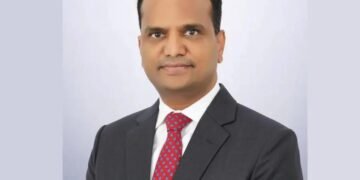
Mohamed Alabbar, Chairman of Eagle Hills, said:
“We believe in the importance of supporting national initiatives that invest in people and create lasting impact within society.”
“This agreement reflects our commitment to developing high-quality projects that generate sustainable endowment returns, contributing to empowering orphans and providing them with better opportunities in education and life, in line with the UAE’s vision for sustainable development and social cohesion,” he stated.
Real Estate as an Income Asset
The UAE waqf real estate model highlights a broader transformation within the region’s property sector, where real estate is increasingly being positioned as a long-term income-generating asset rather than a purely transactional development product.
Traditionally, much of the UAE’s real estate activity has been driven by off-plan sales and capital appreciation. However, institutional frameworks such as endowments, real estate investment trusts (REITs), and long-term leasing assets are gradually reshaping the market toward income stability.
Authorities in Abu Dhabi have been expanding the role of endowment structures in recent years, using real estate as a vehicle to generate recurring revenue streams. These models align with broader economic diversification goals, which aim to build sustainable, non-oil income sources.
Abdul Hamid Mohammed Saeed, Chairman of Awqaf Abu Dhabi, said:
“This agreement marks an important milestone in advancing the endowment ecosystem in the Emirate of Abu Dhabi by leveraging high-impact partnerships to deliver endowment projects with sustainable economic and social value.”
“The ‘Mother of the Nation City’ project reflects our commitment to maximising returns from endowment assets and directing them towards supporting the most vulnerable groups, particularly orphans, in a way that ensures resource sustainability and enhances quality of life,” he added.
Shift Toward Yield-Oriented Assets
From an investor perspective, the expansion of the UAE waqf real estate model signals a gradual shift in the property sector toward yield-driven assets.
Unlike speculative or short-term developments, endowment-backed real estate is structured to prioritise stable, long-term income generation. This aligns with global trends where institutional investors increasingly favour assets with predictable cash flows over high-volatility capital appreciation plays.
For market participants, including international investors from India and other regions, this shift reinforces the growing importance of:
- income visibility over launch pricing
- asset quality and tenant demand
- long-term leasing performance
While private investors may not directly participate in waqf structures, the expansion of such models contributes to overall market stability by increasing the share of income-generating assets within the ecosystem.
Execution and Performance Risks
Despite the strategic positioning of the project, the success of the UAE waqf real estate model depends on several factors.
First, the commercial asset must achieve consistent occupancy and rental performance to generate the intended returns. Income-linked structures are directly dependent on tenant demand and broader economic conditions.
Second, execution timelines remain critical. Delays in development or cost overruns could affect the timing of revenue generation and, consequently, the flow of funds to the endowment programme.
Third, long-term asset management will play a key role. Maintaining occupancy levels, tenant quality and operational efficiency is essential to ensure sustained returns over time.
These factors highlight that while the model offers stability, it is still exposed to underlying real estate market dynamics.
What To Watch Next
The Eagle Hills–Awqaf partnership signals the potential expansion of the UAE waqf real estate model across other asset classes and emirates.
Market observers will be watching for:
- additional public-private partnerships in endowment-backed developments
- integration of similar models within large master-planned communities
- increased alignment between real estate and social infrastructure funding
The evolution of these models could further institutionalise the UAE’s property sector, increasing the role of long-term capital and reducing reliance on cyclical development activity.
Implications For Investors And End-Users
For investors and end-users, particularly Indian and NRI buyers tracking UAE real estate, the UAE waqf real estate model reflects a deeper structural shift toward income stability and institutional participation.
While such projects are not directly comparable to typical residential investments, they contribute to a broader market environment where long-term asset performance, leasing depth and execution certainty gain importance over short-term price movements.
As the UAE continues to expand income-generating real estate frameworks, the market is likely to see a gradual rebalancing between speculative development and yield-oriented assets, shaping how capital is deployed across the property sector.
Discover more from Invest Dubai Today - Dubai Realty Insights
Subscribe to get the latest posts sent to your email.