

























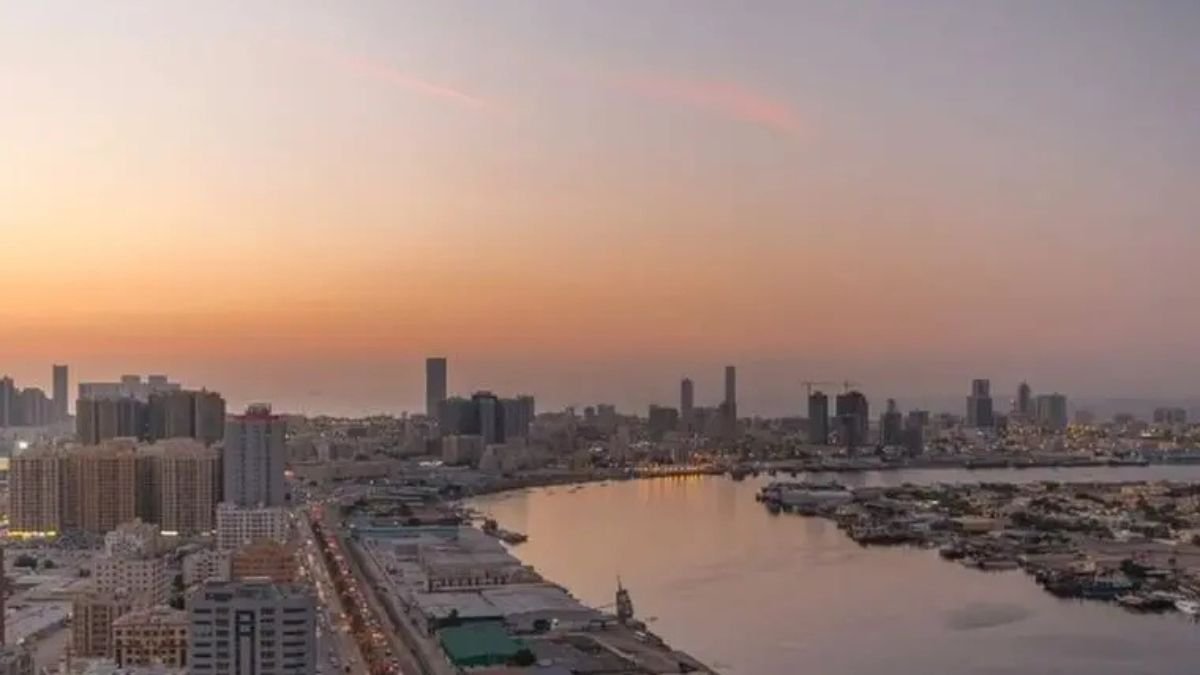
Ajman, UAE — Ajman’s property market is beginning to see larger land bets, with a AED 185 million transaction in Al Amerah pointing to a shift in how investors are positioning in the emirate.
The deal, the highest-value property transaction recorded in Ajman to date, involves a plot classified for both residential and commercial use, allowing for a range of development outcomes from housing to mixed-use projects. That flexibility is becoming increasingly relevant as investors move beyond unit-level purchases toward land strategies that offer control over future supply.
Ajman has historically attracted buyers seeking lower entry prices and rental yield relative to larger markets such as Dubai and Sharjah. This transaction, however, reflects a different type of capital—one that is positioning ahead of development rather than targeting immediate income.
Land transactions of this scale typically reflect longer investment horizons, driven by expectations around infrastructure expansion, population growth, and pricing upside over time. In this case, the Al Amerah plot’s mixed-use classification allows the eventual developer to respond to demand as it evolves, rather than committing to a single asset class upfront.
The shift toward land-led positioning suggests that parts of Ajman may be entering an early phase of price discovery, particularly in newer districts where benchmarks are still forming and transaction comparables remain limited.
Within the UAE’s broader real estate landscape, Ajman occupies a different stage of market maturity. Dubai continues to operate as a price-led, globally integrated market with limited land availability in central locations. Sharjah has developed into a mid-market, end-user-driven ecosystem. Ajman, by contrast, remains in an expansion phase, where land availability and lower acquisition costs create room for larger, forward-looking development strategies.
That positioning allows investors to acquire scale at a relatively early stage and shape emerging micro-markets as infrastructure and connectivity improve. In this context, the significance of the AED 185 million deal lies less in its headline value and more in what it represents: a move toward securing development optionality in areas that are still evolving.
Areas such as Al Amerah are increasingly being viewed through this lens. With larger land parcels and flexible zoning, these locations offer the ability to build at scale, something that is becoming harder to achieve in more mature markets. As development activity expands outward, such districts are likely to play a more central role in shaping Ajman’s next growth phase.
Data from the Ajman Real Estate Index continues to show steady activity in both transaction values and volumes. However, the composition of that activity appears to be shifting. Larger land deals, though still limited in number, point to a gradual deepening of the market, where investment is no longer confined to smaller, fragmented transactions.
This kind of transition typically precedes more structured development cycles, where master-planned communities and mixed-use projects begin to emerge. At the same time, ongoing infrastructure investments and a relatively supportive regulatory environment continue to underpin investor interest, even as the market evolves.
The key question now is whether this transaction remains a one-off event or signals the beginning of a broader trend. If similar large-scale land deals begin to follow, it would indicate a more sustained move toward development-led investment in Ajman, with implications for pricing, supply pipelines, and market positioning.
For now, the signal is early but notable. Ajman is beginning to attract capital that is not just responding to existing demand, but positioning ahead of it—where land, rather than completed units, becomes the primary lever of opportunity.
Discover more from Invest Dubai Today - Dubai Realty Insights
Subscribe to get the latest posts sent to your email.