





























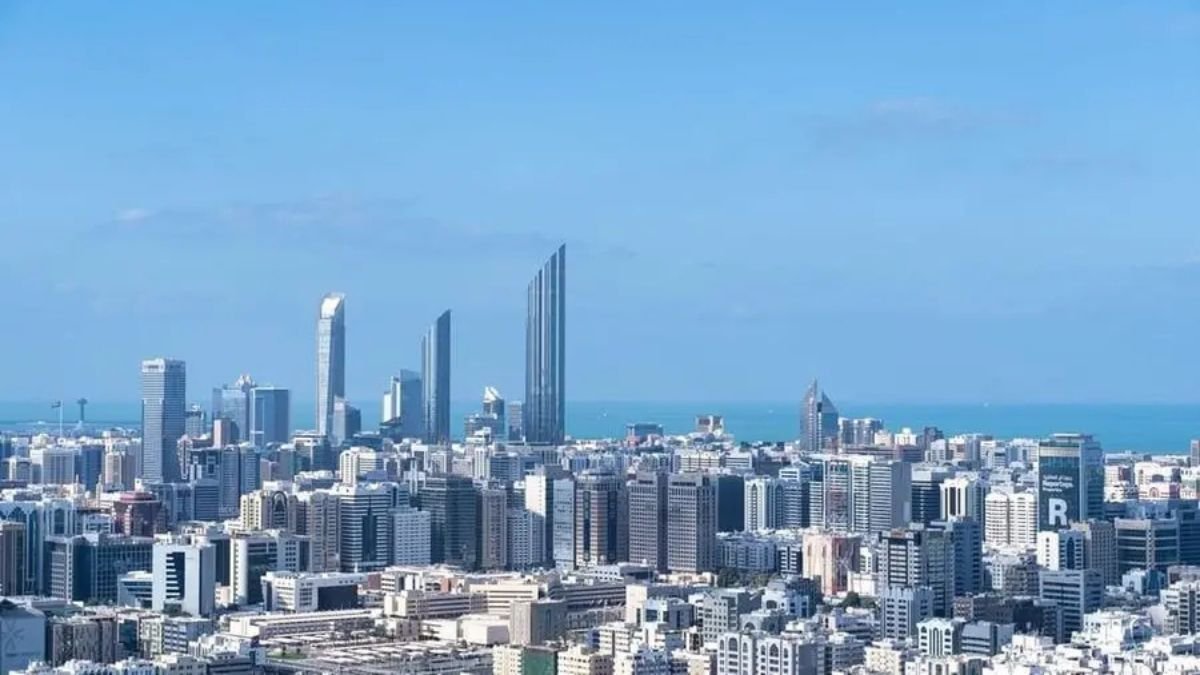
Abu Dhabi, UAE — Abu Dhabi is moving to expand its mid-income rental base as population growth and affordability pressures begin to surface across key residential corridors.
A new partnership between Department of Municipalities and Transport and Aldar Group will deliver 9,000 rental units across Mohamed bin Zayed City and Baniyas, signalling a scale-up in institutional housing supply aimed at stabilising the segment.
Partnership Structure Signals Long-Term Rental Strategy
The developments, with a combined gross development value of AED 2.8 billion, form part of Abu Dhabi’s Value Housing Programme, which is focused on expanding access to affordable housing.
Under the structure, Aldar will develop, lease, and manage the communities, while DMT will provide long-term land access. The projects are expected to be completed by 2029, placing them within a longer-term supply pipeline rather than immediate market impact.
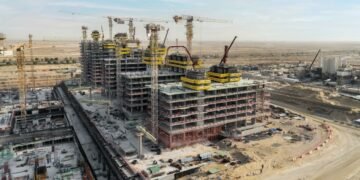
The Baniyas project will include more than 30 residential buildings alongside retail and community amenities, while the Mohamed bin Zayed City development will combine single-occupancy and multi-tenant housing formats supported by neighbourhood retail.
Institutional Rental Model Gains Scale in Abu Dhabi
The agreement adds to Aldar’s develop-to-hold pipeline, which has now reached AED 20.1 billion, including rental-focused developments on Yas Island and in Al Shamkha.
This signals a continued shift toward institutional ownership of rental housing in Abu Dhabi, where developers are increasingly retaining assets for recurring income rather than exiting through sales.
Such a model indicates a move toward a more structured rental market, reducing reliance on fragmented individual ownership and improving consistency in leasing and operations.
Policy Alignment Reinforces Market Direction
The expansion of Abu Dhabi rental housing supply aligns with the emirate’s long-term urban development priorities, which emphasise accessibility, infrastructure integration, and regulated growth.
Ahmed Fadhel Almehairbi said, “This partnership with Aldar underscores our shared commitment to advancing the objectives of the Value Housing Programme by delivering high-quality, affordable homes that meet the needs of families and individuals alike and enrich community living. As we welcome the Year of Family, these developments reaffirm our dedication to creating vibrant, inclusive neighbourhoods that strengthen social cohesion.”
The regulatory backdrop has increasingly focused on improving transparency and operational efficiency, reinforcing investor confidence in the residential market.
Demand Driven By Population Growth
The need for additional rental housing is being shaped by Abu Dhabi’s population growth and a broadening workforce base, particularly across mid-income segments.
Jassem Saleh Busaibe said, “As Abu Dhabi’s population continues to grow, there is a significant need for new homes to be delivered that cater to a broad range of demographics residing in the Emirate. Our collaboration with DMT will ensure thousands of quality rental homes come to the market in well-connected and amenity rich communities, ensuring a fully affordable lifestyle for residents.”
The location of the developments along key transport corridors, including the Abu Dhabi–Al Ain highway, reflects a focus on accessibility and daily livability rather than premium positioning.
Supply Expansion May Moderate Rental Growth Over Time
The increase in Abu Dhabi rental housing supply introduces a stabilising force in the mid-market segment, particularly as institutional operators bring pricing discipline and consistent inventory to the market.
As more units are delivered under unified management, rental volatility may reduce, but so could the pace of rent increases in these corridors. This creates a more predictable environment, though with potentially lower upside for investors seeking short-term yield expansion.
Execution Timeline Remains A Key Variable
With completion targeted for 2029, the projects sit within a longer delivery horizon, leaving room for demand conditions to evolve before supply reaches the market.
Execution discipline, cost control, and the ability to maintain affordability positioning will be critical, particularly in a develop-to-hold model where returns depend on sustained occupancy and operational efficiency.
What To Watch As Institutional Supply Expands
The impact of Abu Dhabi rental housing supply expansion will become clearer closer to delivery, particularly through leasing activity, occupancy levels, and rental trends in Mohamed bin Zayed City and Baniyas.
Market observers will also watch whether similar partnerships emerge, which would indicate a broader structural shift toward institutional rental housing across the emirate.
For investors, including Indian and NRI buyers, the development reflects a transition toward income-led residential assets with greater emphasis on stability rather than rapid capital appreciation. While this improves long-term demand visibility and tenant retention, it also signals a more measured rental growth trajectory in mid-income segments as supply becomes more structured and scalable.
Discover more from Invest Dubai Today - Dubai Realty Insights
Subscribe to get the latest posts sent to your email.