
















Dubai, UAE — Dubai’s premium residential market is seeing a gradual shift toward lifestyle-driven demand, with early sales at wellness-focused developments indicating that buyers are prioritising long-term residency over short-term investment.
Keturah said investors have secured four waterfront mansions and more than half of the apartments at The Ritz-Carlton Residences within Keturah Resort, pointing to absorption in a segment typically driven by end-users and high-conviction capital.
Project Details Indicate Selective Absorption
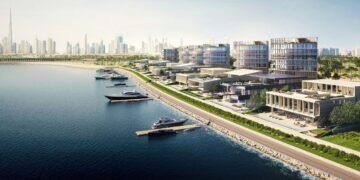
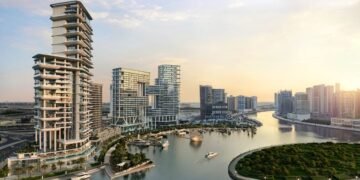
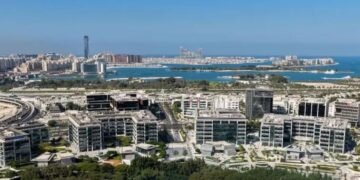
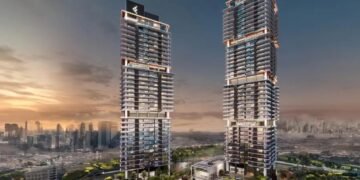
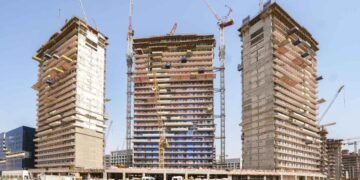
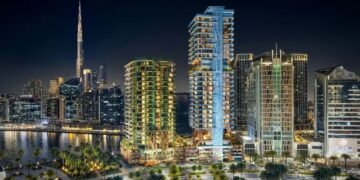
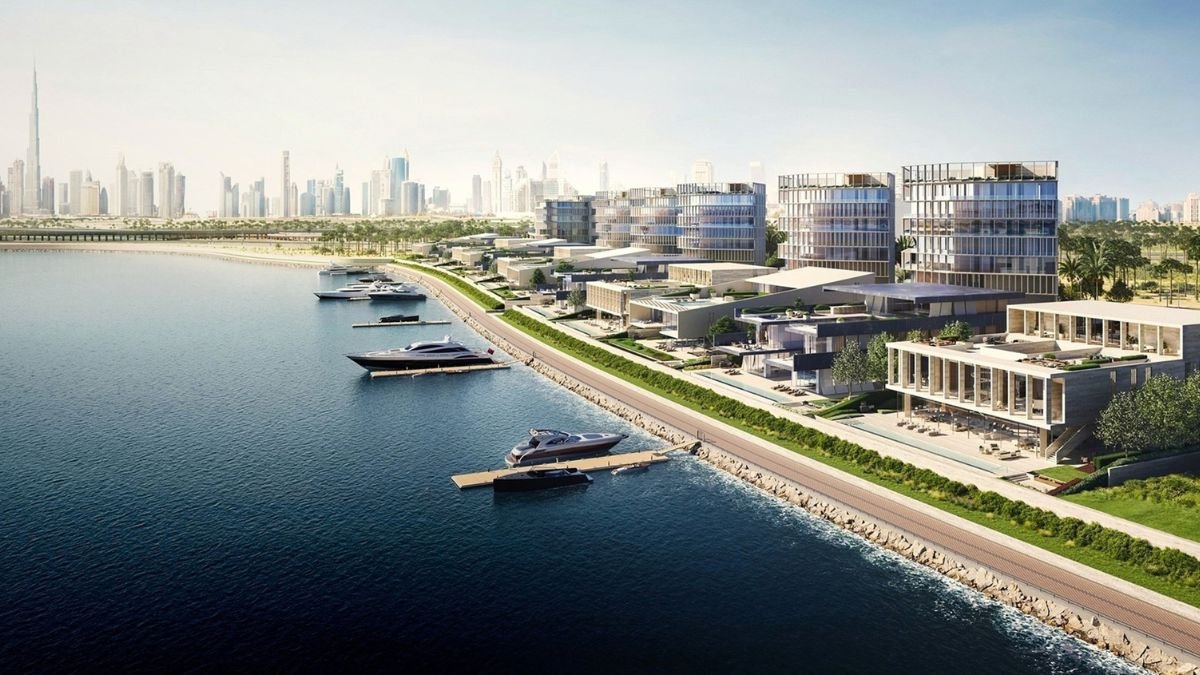
The development, located along Dubai Creek near Ras Al Khor Wildlife Sanctuary, comprises 12 large-format mansions and 193 apartments across eight buildings. According to the developer, 110 apartments have been sold along with four mansions, while the remaining units are priced between AED 335 million and AED 363 million.
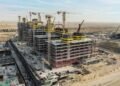
The project also includes a boutique hotel, a wellness centre, and marina infrastructure, with construction progressing in line with schedule, the company said.
Keturah added that the development is certified by Delos and the International WELL Building Institute, aligning it with global wellness building standards.
Wellness Segment Expands Within Dubai’s Housing Market
Dubai wellness real estate demand is growing alongside broader structural changes in the emirate’s residential market, where differentiation is becoming central to pricing and absorption.
Data from the Global Wellness Institute shows the UAE ranks first globally in five-year wellness growth, while leading the region in wellness real estate, spa revenue, and personal care sectors. This expansion is occurring at a time when the broader market is seeing continued off-plan supply alongside increasing segmentation between mid-market volume and premium, experience-led housing.
Market data from firms such as CBRE and DXB Interact suggests that while transaction volumes remain strong, demand at the top end is increasingly tied to end-user intent rather than speculative activity.
Residency Intent Becomes a Key Demand Driver
The early traction at Keturah reflects a wider shift in Dubai wellness real estate demand, where buyers are increasingly evaluating properties as primary residences.
The developer said a survey of brokers showed that most global investors in the luxury segment intend to live in Dubai, with lifestyle quality and wellbeing shaping purchasing decisions. This shift has implications for holding periods, asset selection, and the role of rental yields in investment calculations.
Branded management under The Ritz-Carlton may support operational consistency, particularly in projects where service delivery is a key component of long-term value.
Developer Signals Market Shift Through Buyer Behaviour
“The UAE’s wellness economy is already the fastest-growing in the MENA region, as a direct result of genuine intent, and Keturah Resort is our contribution to that vision,” says Talal.
“Dubai recognises that there has been a clear shift in how luxury real estate is defined and valued, with buyers now asking whether a home will improve their health, enhance sleep, lift mood, support family wellbeing, and strengthen their connection to nature.”
“Dubai’s luxury property market has always emerged from periods of uncertainty with renewed momentum. We see high-net-worth capital continuing to flow from international buyers, particularly those seeking freehold assets underpinned by a globally recognised hospitality brand.”
Pricing And Positioning Limit Buyer Pool Depth
While early sales indicate demand, the project’s pricing places it within a narrow segment of global buyers, making absorption sensitive to shifts in high-net-worth liquidity and cross-border capital flows.
Wellness-certified developments also involve higher execution complexity, which can influence delivery timelines and long-term operational costs. This becomes relevant in a market where premium supply pipelines continue to expand across multiple waterfront and branded residential projects.
Execution And Occupancy Will Define Next Phase
Investors will be tracking whether Dubai wellness real estate demand sustains beyond initial sales into actual occupancy and secondary market activity.
Key indicators will include delivery timelines, resale performance post-handover, and whether end-user demand translates into stable leasing depth within the surrounding micro-market.
For investors and end-users, particularly Indian and NRI buyers, the development reflects a shift toward lifestyle-led capital allocation, where decision-making is increasingly tied to long-term residency and quality-of-life factors. While this may support price resilience in differentiated assets, it also requires closer evaluation of entry pricing, execution certainty, and holding horizon in a market where premium supply continues to build.
Discover more from Invest Dubai Today - Dubai Realty Insights
Subscribe to get the latest posts sent to your email.