









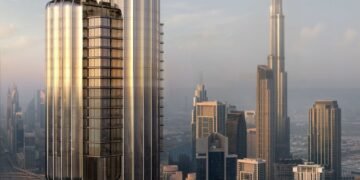





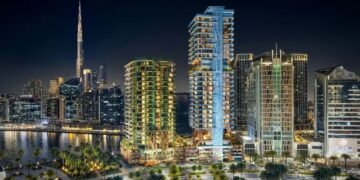







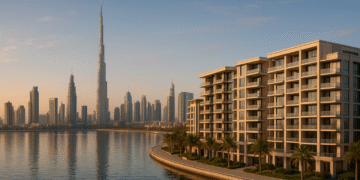


Dubai, UAE — As Dubai’s residential supply pipeline continues to expand, developers are increasingly prioritising established neighbourhoods with proven occupancy over newer, launch-heavy corridors. The launch of a new residential tower by Union Properties in Motor City reflects this recalibration, as builders seek steadier absorption amid heightened off-plan competition across the emirate.
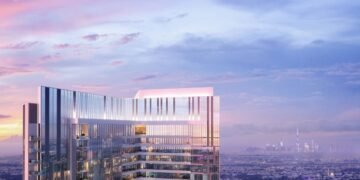
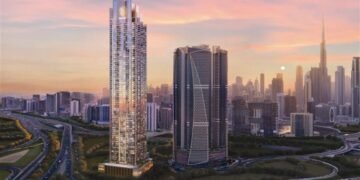
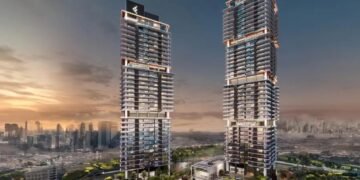
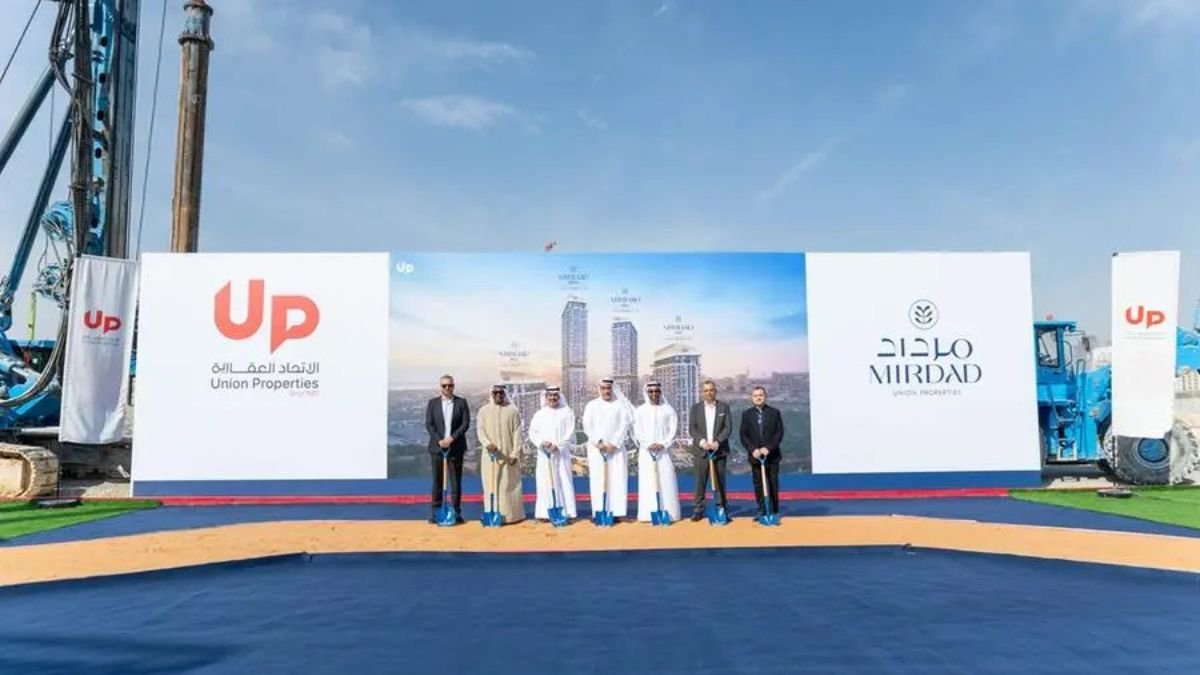
Union Properties said it has launched Mirdad Tower 2, a 31-storey residential building within its AED 2 billion Mirdad master-planned development in Motor City. The tower forms part of the company’s broader strategy to deliver mid- to high-end housing aimed at both end-users and long-hold investors.
Motor City’s End-User Profile Shapes New Supply
Motor City has developed into a predominantly residential, end-user-led district, supported by completed infrastructure and proximity to employment hubs across Dubai. Unlike newer off-plan zones, the area has historically attracted families and professionals seeking long-term rental and ownership options.
Also read: Union Properties Inks AED 700 Million Real Estate Deal in Motor City
According to Bayut’s Motor City area guide, the community continues to record steady rental demand driven largely by long-term residents rather than short-term speculative activity. Property Finder’s Motor City overview similarly highlights consistent leasing interest, supported by established amenities and community layout.
This demand profile has positioned Motor City as a lower-volatility residential pocket compared with emerging districts that are still reliant on future infrastructure delivery.
Unit Mix Signals Broad Demand Strategy
Mirdad Tower 2 will offer a mix of studios, one-, two- and three-bedroom apartments, alongside a limited number of loft units. Market participants note that diversified unit mixes typically support broader tenant demand, particularly in established communities where household sizes and income profiles vary.
Bayut data shows that one- and two-bedroom apartments remain among the most searched unit types in Motor City, reflecting demand from professionals and small families. Developers launching in such areas often aim to balance end-user appeal with rental yield considerations.
Union Properties said the tower’s layouts have been designed to optimise space efficiency, natural daylight, and long-term liveability, aligning with everyday residential needs rather than short-term investor turnover.
Sustainability as an Operating Consideration
The developer said sustainability features at Mirdad Tower 2 include smart building technologies, energy-efficient systems, landscaped green areas, and electric-vehicle charging across 50% of parking spaces.
Also read: $544M Mirdad Launch: The Off-Plan Steal Investors can’t Ignore?
While sustainability has become common across new launches, analysts say its relevance is increasingly tied to operating efficiency rather than branding. CBRE UAE residential insights note that service charges, energy efficiency, and maintenance costs are playing a growing role in buyer and tenant decision-making, particularly in mid-market segments.
Projects that integrate such features early may be better positioned to manage long-term operating costs as regulatory and utility frameworks evolve.
Developer Confidence in Mid-Segment Housing
Union Properties said the launch marks a milestone in the execution of its Mirdad master plan. Chief Executive Officer Amer Khansaheb said the development reflects the company’s focus on quality, sustainability, and long-term community value, adding that it underscores confidence in Dubai’s real estate fundamentals and demand for well-designed mid- to high-end residential offerings.
The launch comes as developers reassess where to deploy capital, with several choosing established residential districts over premium-heavy clusters that are seeing increased supply.
Supply Timing Remains a Key Risk
Despite Motor City’s relative stability, execution risk remains. Dubai’s broader housing pipeline is expected to deliver a significant number of units through 2026 and 2027, which could test absorption if demand growth moderates.
Research from Knight Frank has previously noted that while established, mid-market communities tend to experience lower volatility than prime districts, pricing pressure can emerge if multiple projects are delivered within a compressed timeframe. Construction timelines, service quality, and competitive pricing will therefore remain critical variables.
What to Watch Going Forward
For investors, Motor City’s appeal lies in rental consistency rather than rapid capital appreciation. Property Finder market reports indicate that established communities continue to attract tenants seeking completed infrastructure and predictable living environments.
For end-users, the launch adds to housing choice in a district where schools, retail, and road connectivity are already in place, reducing dependence on future development phases.
Indian and NRI buyers, in particular, continue to favour areas with stable rental demand and lower execution risk, especially as currency movements affect entry costs and long-term returns.
Closing Analysis
The launch of Mirdad Tower 2 highlights a broader shift in Dubai’s residential market toward absorption-led development rather than launch-driven momentum. For investors, Motor City offers a comparatively lower-risk proposition within a supply-rich environment. For end-users, it reinforces the district’s position as a liveable, established community. Ultimately, delivery discipline and market timing will determine how effectively such mid-market launches perform.
Discover more from Invest Dubai Today - Dubai Realty Insights
Subscribe to get the latest posts sent to your email.