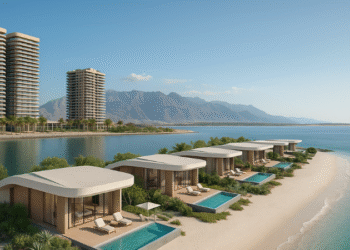



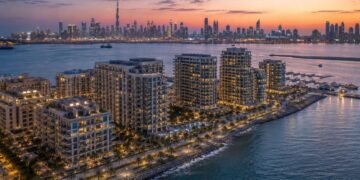
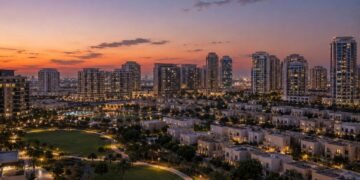
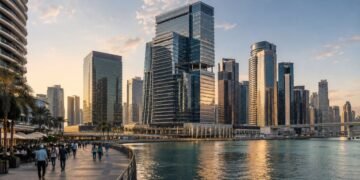











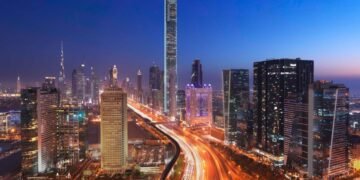
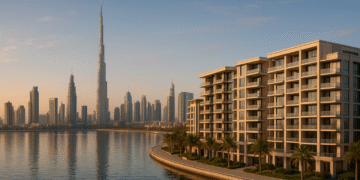
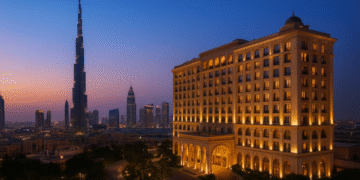


Dubai, UAE — Dubai’s real estate market closed 2025 with its strongest performance on record, not only in headline transaction value but in the breadth and composition of participation—an outcome that signals a shift from rapid expansion to a more mature, system-driven phase of growth.
According to official data released by the emirate, total real estate transactions exceeded 270,000 in 2025, with a combined value of AED 917 billion, representing a 20% year-on-year increase. Beyond sales alone, the broader real estate ecosystem—including leases, registrations, and related services—recorded more than 3.11 million transactions, underlining the sector’s expanding economic footprint.
Senior leadership framed the results as evidence of institutional depth rather than speculative acceleration. Sheikh Mohammed bin Rashid Al Maktoum described the performance as the outcome of disciplined planning, regulatory clarity, and a long-term investment approach that has guided the market into a more advanced phase capable of converting confidence into sustainable value.
Value Growth Outpaces Volume
One of the more telling signals in the 2025 data is the divergence between value and volume growth. While transaction counts rose at a healthy pace, total deal value expanded faster, reflecting higher pricing per square foot across multiple segments.
Also read: Real Estate Crash UAE? Analysts See Correction, Not Collapse
Median prices increased by 8.4% year-on-year, indicating that pricing gains were broad-based rather than confined to isolated luxury pockets. For investors, this points to a market where price discovery is increasingly supported by end-user demand, financing access, and asset quality, rather than short-term trading activity.
The final quarter of the year was particularly strong. Q4 transactions reached AED 187.47 billion, with December alone contributing AED 64 billion—roughly matching November’s performance and extending momentum that had already been building since October. The concentration of activity toward year-end suggests that liquidity remained available even as global financial conditions tightened elsewhere.
Participation Broadens Across Investor Segments
Beyond pricing, the composition of market participants continues to evolve. Real estate investment volumes crossed AED 680 billion in 2025 across 258,600 deals, up 29% in value and 20% in volume. The total investor base expanded to approximately 193,100 participants, with more than 129,600 entering the market for the first time.
Resident investors accounted for over half of total participation, reinforcing the idea that Dubai’s property market is increasingly anchored in long-term residency and occupational demand, not just overseas capital flows.
Women investors also expanded their footprint, deploying AED 154 billion across nearly 77,000 transactions—growth rates that outpaced the broader market. This diversification of the investor base adds resilience by reducing reliance on a narrow set of buyer profiles.
Geographic Depth, Not Just Prime Concentration
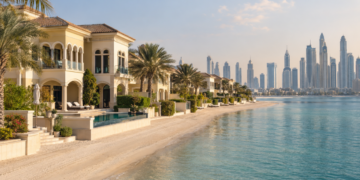
Transaction data by area further supports the maturity narrative. While established districts such as Business Bay, Dubai Marina, Palm Jumeirah, and Burj Khalifa continued to dominate in value terms, activity by volume extended across a wide range of mid-market and emerging zones, including Al Barsha South, Wadi Al Safa, Dubai Investment Park, and Dubai Airport City.
Also read: Understanding Dubai’s No Capital Gains Tax: A Game-Changer for Indian Real Estate Investors
Mortgage activity followed a similar pattern, with financing spread across both premium and mid-income districts. This geographic dispersion suggests that credit availability and buyer confidence are not confined to headline locations alone.
Policy Alignment and Long-Term Targets
Officials linked the 2025 performance directly to long-term policy frameworks, including the Dubai Economic Agenda D33 and the Dubai Real Estate Sector Strategy 2033, which targets AED 1 trillion in annual transaction value by the end of the decade.
Omar Hamad Bu Shehab, Director General of the Dubai Land Department, said the results reflect a market underpinned by governance, transparency, and data-driven policymaking. He noted that regulatory reforms, digitalisation, and closer coordination with developers and brokers have helped streamline processes and sustain investor confidence.
What the Data Does—and Does Not—Say
While the figures confirm depth, participation, and pricing power, they do not eliminate the need for caution. Supply delivery over the next two to three years—particularly in off-plan-heavy corridors—will test absorption rates, rental growth, and resale liquidity. Rising prices also raise questions around affordability and yield compression, especially for investors entering at current levels.
Notably, the official narrative emphasises stability and sustainability, but execution discipline will remain critical as new inventory comes online.
Closing Analysis
Dubai’s 2025 real estate performance marks a transition point. The market is no longer defined solely by speed or scale, but by structure—broader participation, regulatory predictability, and alignment with long-term economic planning.
For investors, the shift suggests a market where returns may be driven less by rapid price jumps and more by asset selection, location quality, and holding strategy. For end-users, expanding participation and mortgage activity point to deeper confidence in ownership as a long-term decision rather than a speculative bet.
As Dubai moves toward its 2033 targets, the central question is no longer whether demand exists, but how effectively the market balances growth with delivery, affordability, and resilience through the next cycle.
Discover more from Invest Dubai Today - Dubai Realty Insights
Subscribe to get the latest posts sent to your email.