
































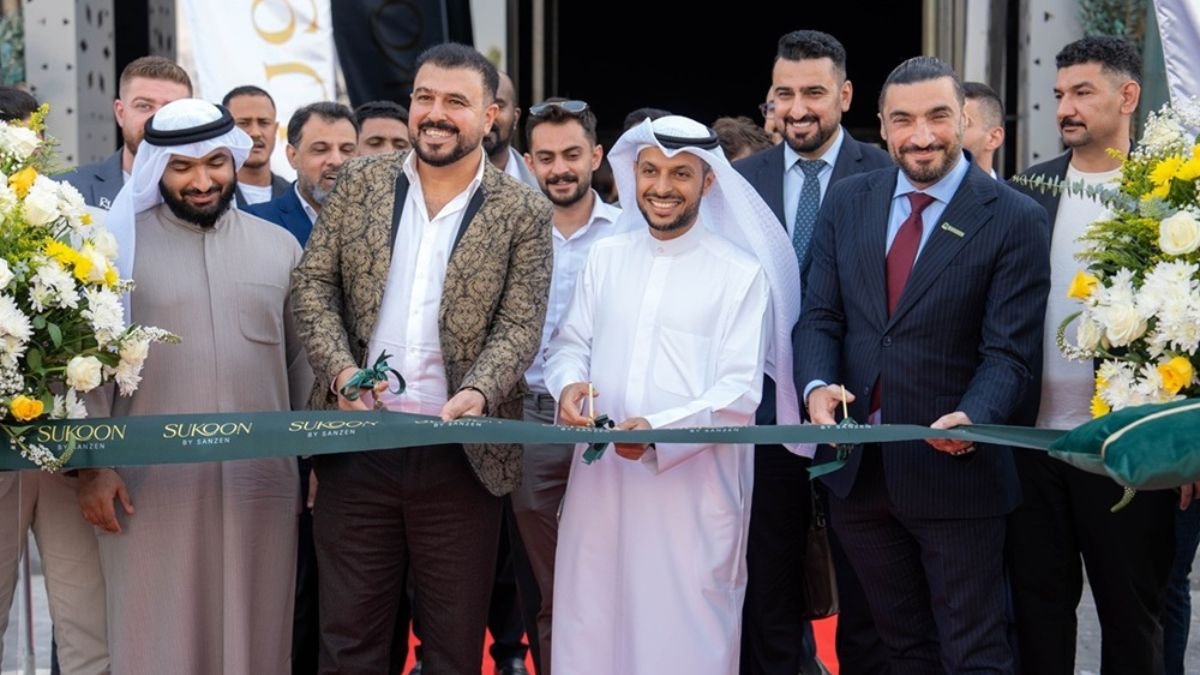
Sharjah, UAE — As villa prices inside Dubai continue to stretch affordability and new supply remains concentrated in higher-priced suburban clusters, demand is increasingly spilling into Sharjah’s border districts. The full sell-out of Phase One at Sukoon, a large-scale villa community near the Sharjah–Dubai boundary, offers a clear data point on where end-user housing demand is being absorbed in the current cycle.
The transaction momentum also reflects a broader recalibration underway in the UAE housing market, where buyers are prioritising liveable formats, price stability, and commute efficiency over speculative off-plan exposure.
What Happened
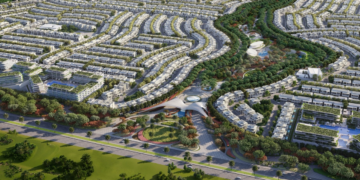
Sanzen Real Estate Development said it has fully sold Phase One of Sukoon, its integrated villa community in the Al Tay area of Sharjah, with the 240-unit phase absorbed at an estimated value of AED 2.36 billion. The development sits within the Sharjah–Dubai border corridor, an area that has seen sustained end-user demand for villa housing.
Also read: Sharjah Mountain Housing Development Expands Northern Supply Pipeline
Abdulaziz Al Sanad, Chairman of Sanzen Real Estate Development, said the sell-out reflected “market confidence in the project’s quality and long-term value,” adding that the company’s focus remains on delivering integrated residential communities in locations with durable demand fundamentals.
Once completed, Sukoon is expected to deliver 859 villas alongside supporting infrastructure, including a retail mall and a mosque, positioning it among the larger villa-led residential developments in Sharjah’s suburban growth belt.
Sharjah Villa Market Absorption
The sell-out reinforces a wider pattern of Sharjah villa market absorption concentrated in districts offering proximity to Dubai employment zones without Dubai-level pricing. Areas such as Al Tay have increasingly benefited from infrastructure upgrades and improved road connectivity, narrowing the functional gap between the two emirates.
Market data shows that villa supply inside Dubai has become progressively skewed toward higher ticket sizes, while mid-market family housing remains limited. As a result, Sharjah has emerged as a pressure-release market, particularly for households seeking larger homes and predictable ownership costs.
Also read: Sharjah Branded Residences Signal Market Maturity Shift
This demand is not being driven by short-term speculation. Instead, absorption patterns indicate deliberate purchasing behaviour, with buyers prioritising occupancy readiness, space efficiency, and long-term affordability.
Stability Over Velocity
From an investor perspective, Sukoon’s performance points to a segment where liquidity is derived from occupancy rather than rapid resale turnover. Villa-led developments near the Sharjah–Dubai border tend to attract:
- End users planning long-term residence
- Investors targeting steady leasing demand rather than capital flips
This positions Sharjah villa assets differently from Dubai’s off-plan apartment-heavy pipeline, where exit timing and pricing cycles remain more sensitive to supply surges.
For Indian and NRI buyers in particular, the appeal lies in lower entry prices relative to Dubai villas, combined with stable rental depth from family tenants working across both emirates. Currency considerations also play a role, as dirham-linked assets provide income predictability without requiring aggressive appreciation assumptions.
Risk and Constraints to Watch
Despite strong initial absorption, villa-heavy developments carry different execution dynamics compared to apartment projects. Subsequent phases will need to maintain pricing discipline to avoid demand fatigue, particularly if competing supply emerges along the Sharjah–Dubai corridor.
Also read: Sharjah Sustainable City II Tests End-User Demand in UAE Housing
Infrastructure capacity, traffic flow, and phased handover timelines will also influence long-term satisfaction and rental performance. For investors, liquidity remains tied more closely to leasing depth than resale velocity, which may limit exit flexibility during slower market cycles.
What Comes Next
Attention will now shift to how quickly Sukoon’s later phases are absorbed and whether pricing remains aligned with buyer expectations as delivery progresses. More broadly, observers will be watching whether Sharjah continues to capture a growing share of UAE villa demand as Dubai’s suburban housing stock becomes increasingly premium-priced.
If current trends persist, Sharjah villa market absorption could become one of the defining demand stories of the next housing cycle, particularly as families prioritise space, stability, and commute efficiency over speculative exposure.
For investors, Sukoon’s Phase One sell-out reinforces the case for Sharjah villas as income-oriented assets anchored in real occupancy demand rather than price momentum. For end users, it underscores the emirate’s growing role as a practical alternative to Dubai’s increasingly expensive villa market.
For Indian and NRI buyers, the development highlights a segment where entry pricing, rental stability, and long-term usability align more closely with capital preservation objectives than high-risk appreciation plays. The next phase of absorption will determine whether this positioning can be sustained at scale.
Discover more from Invest Dubai Today - Dubai Realty Insights
Subscribe to get the latest posts sent to your email.