



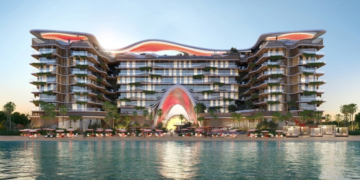
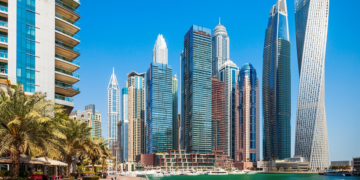
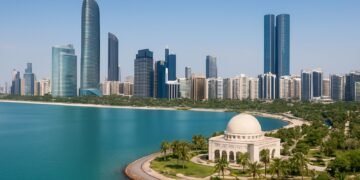
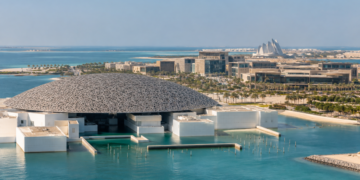














Dubai, UAE — Dubai’s luxury developers are being told that heat-resilient construction has stopped being a marketing flourish and become a pricing variable. MAG-owned Keturah has committed AED200 million of health-led specification to a single Mohammed Bin Rashid City community, and is using fresh climate research to argue buyers will now pay for homes built against the Gulf’s worsening heat.
The Nature Climate Change finding behind the pitch
The argument leans on a study published in Nature Climate Change by scientists at the European Centre for Medium-Range Weather Forecasts. On the ten warmest days of the year, the Arabian Peninsula now feels up to 4°C hotter than in the 1970s, one of the steepest rises recorded anywhere, peaking near 5°C locally. Its lead author, Rebecca Emerton, described an unambiguous, climate-driven escalation of heat stress, which the research identifies as the leading cause of weather-related death.
Reporting on the same data, The National noted that average Gulf temperatures could rise by as much as 6°C by 2100 if emissions stay high. Talal Al Gaddah, chief executive of Keturah and senior executive vice chairman of MAG, treats that as a construction problem before a cooling one. The risks he names sit indoors: moisture, condensation mould and the volatile compounds trapped in sealed, air-conditioned rooms. How walls manage moisture and how air moves through a space, he says, decide whether a home “genuinely protects the people inside it.”
AED200 million on antimicrobial tiling and zero-VOC finishes
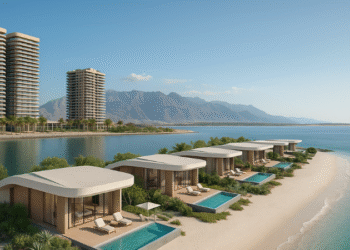
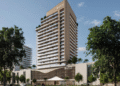
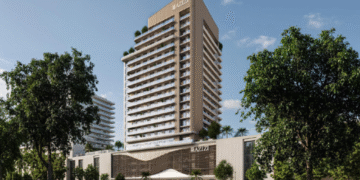
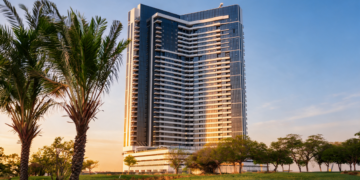
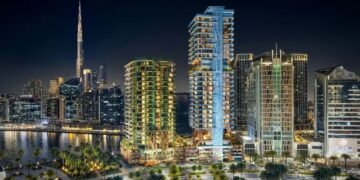
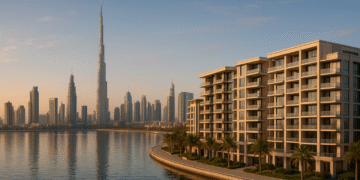
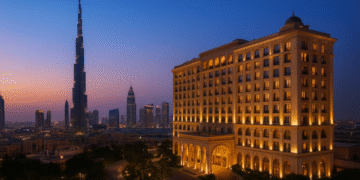
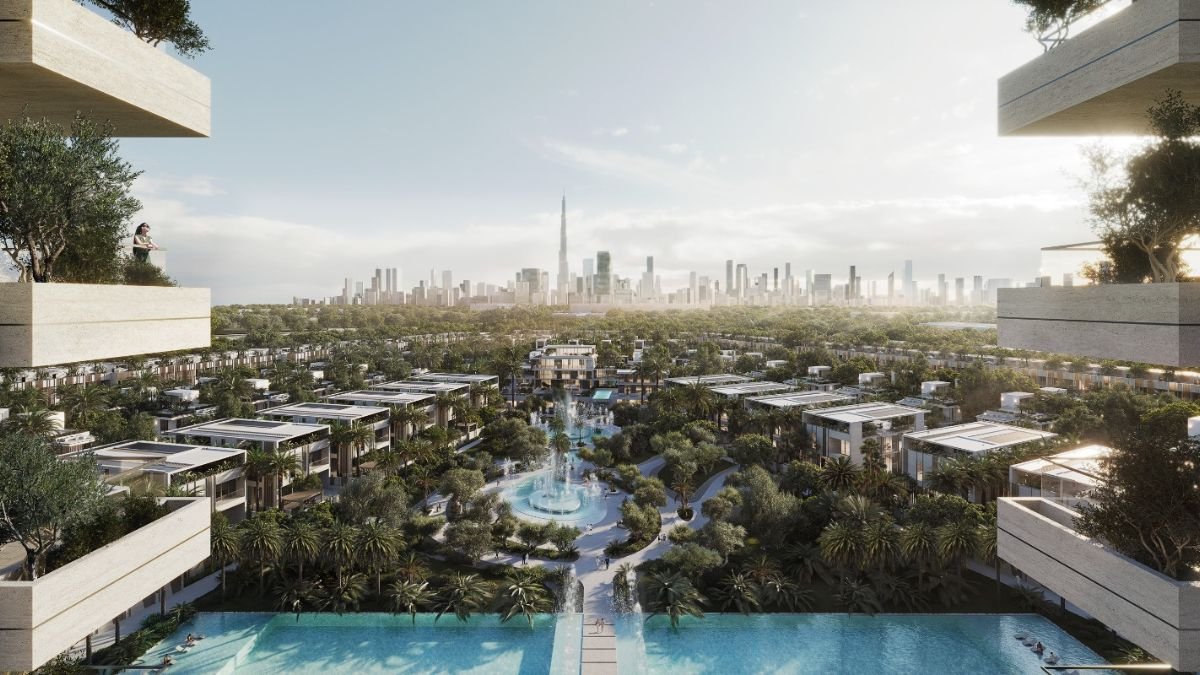
At Keturah Reserve, the AED5.7 billion bio-living community in the city’s District 7, that AED200 million covers antimicrobial tiling, breathable wall systems and zero-VOC finishes selected for the region’s heat and humidity. The same specification runs through The Ritz-Carlton Residences at Keturah Resort on Dubai Creek, which the company calls the Middle East’s first fully wellness-certified resort. Both aim at buyers who now weigh material certifications and indoor air quality as part of the asset itself.
That spend lands in a market still rewarding the top end, though at a slower pace. Knight Frank recorded AED544.2 billion in Dubai residential sales across 205,400 deals in 2025, with prime and ultra-prime tiers driving a 25% rise in value, and expects prime growth to cool to around 3% in 2026. Branded residences, where Keturah competes, carried roughly a 43% premium over comparable non-branded stock last year, on Morgan’s Realty figures counting 166 branded projects and 51,692 units citywide.
The Dubai wellness real estate premium no one can isolate yet
For an investor, the test is whether heat-resilient specification converts into a durable premium or simply a higher build cost. The branded premium tracks brand strength and scarcity, not indoor air quality. Al Gaddah puts the premium for wellness-led homes at 15% to 25%, close to the 10% to 25% the Global Wellness Institute cites for mid- and upper-tier wellness residences. Neither figure separates what a buyer pays for heat-engineered materials from what they pay for brand or location. That is the unresolved question at the centre of Dubai wellness real estate.
The buyer mix raises the stakes. Indian nationals were Dubai’s largest foreign buyer group in 2025 at about 22% of purchases, and their intent has moved from rental yield toward primary residences and family bases, on brokerage analyses built from Dubai Land Department data. That relocation-driven cohort is the audience a health-and-heat pitch is built for, since they intend to live in these homes rather than flip them. It is also the group most exposed if the premium rewards the brand rather than the building.
The cost breakdown Keturah hasn’t published
Keturah has not broken the AED200 million into a per-unit or per-square-foot uplift, so the cost of the specification against a conventional build stays unclear. Nor has it said whether its material claims, from antimicrobial tiling to zero-VOC finishes, are independently audited or self-declared, and the methodology behind the wellness premium it cites is not public.
Other gaps sit in plain sight. The developer’s own unit counts vary, from 540 homes in some releases to around 716 in Dubai Land Department filings. Financing terms, including payment-plan structures and loan-to-value guidance, are not addressed. The wellness certification is described in the company’s own terms rather than confirmed against a completed, independently rated building.
Buyers underwrite the heat claim years before handover
The timing carries its own exposure. Off-plan deals make up about 82% of branded-residence activity in Dubai, and Keturah Reserve’s handovers do not begin until townhouses in the second quarter of 2027, with villas following in early 2028. Buyers commit now for performance they cannot verify until delivery, in a market where only 64% of homes expected in 2025 were completed on time.
With prime appreciation cooling toward 3%, there is thinner headline growth to absorb any gap between the wellness premium a developer promises and the one the resale market pays. Whether health-led construction becomes a durable pillar of Dubai wellness real estate or stays a premium niche will be settled in resale data, not launch decks. For now, the climate case is firmer than the commercial one.
Discover more from Invest Dubai Today - Dubai Realty Insights
Subscribe to get the latest posts sent to your email.