




































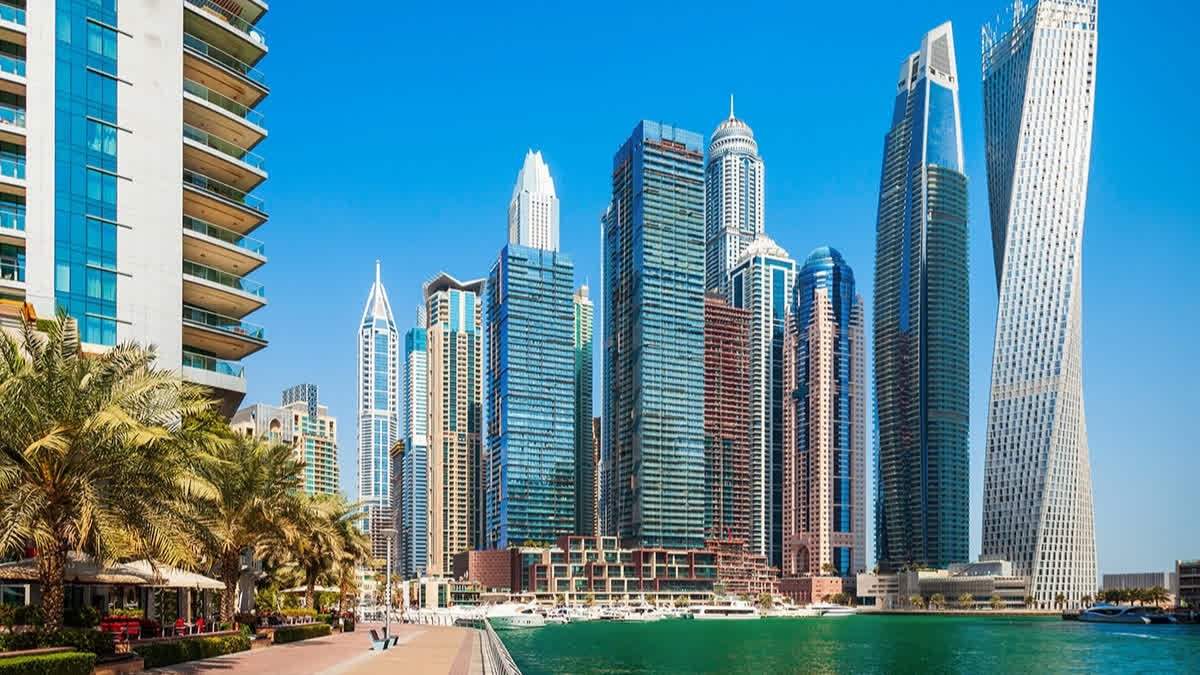
Dubai, UAE — The Dubai resale market recorded its first quarterly rise in transactions since late 2025, while off-plan sales fell for a fourth straight quarter. For Indian investors, the question shifts from funding instalments over several years to whether they can pay for a finished home at once.
Resale transactions rose 18.5% from the previous quarter to 9,491 deals worth about AED 25 billion in the third quarter, according to ValuStrat data reported by Zawya. They were still 23.8% lower than a year earlier.
What Happened In The Dubai Resale Market
Off-plan sales fell 10.1% from the second quarter to 24,375 transactions, ValuStrat said, and were 45.7% below the same quarter of 2025.
Homes under AED 1 million, or roughly Rs 2.6 crore at about 26.2 rupees to the dirham, accounted for about a third of deals in the Dubai resale market. Jumeirah Village Circle (JVC) led with 12.8% of sales, followed by Business Bay at 6%, Dubai Marina at 5.3% and Downtown Dubai at 3.8%.
The average resale price fell 4.4% on the quarter to AED 1,627 per sq ft, about Rs 42,600, and was 1.5% below its level a year earlier.
Market Context: Dubai And India Are Moving Apart
India offers a useful contrast. Anarock data shows average prices across India’s top seven cities rose 7% in a year to Rs 9,714 per sq ft in the third quarter, while sales rose 3% and launches rose 18%.
Dubai is moving the other way. Brokerage betterhomes counted a slightly higher 10,055 secondary sales, which lifted their share of transactions from 24% to 29%. It said buyers increasingly want homes they can use or let immediately.
Mumbai is a closer price reference. Anarock’s benchmark for the city is Rs 29,270 per sq ft, so Dubai’s resale average sits about 46% higher, although the two series are built differently and are not like for like.
Also read: Dubai Q3 property sales drop 45% as prices slip
Investor Lens: Dubai Resale Market Yields Against Indian Cities
Rental income is where the gap with India is widest. Anarock puts gross yields at 4.3% in Mumbai and Gurugram and 4.6% in Bengaluru. fäm Properties puts JVC at 7.23% over 12 months, before service charges and other costs.
That gap may narrow. Fäm Properties shows a more recent three-month JVC yield of 6.97%, and betterhomes said median apartment rents eased 3.8% between June and September.
Capital growth points the other way. Anarock shows Mumbai prices up 64% since 2019, while Dubai’s resale average is falling. Indian investors are therefore weighing rental income in one market against a record of price growth in the other.
The LRS Limit Is The Main Constraint
Buying ready changes the funding. Off-plan payments can be spread across several financial years, but a resale purchase generally requires the balance when the property transfers.
Under India’s Liberalised Remittance Scheme (LRS), one person can send USD 250,000 a financial year, about AED 918,000 or Rs 2.4 crore. That leaves a home near AED 1 million just above one person’s limit, and Indian banks cannot lend for LRS remittances.
Remittances above Rs 10 lakh also attract 20% tax collected at source, about Rs 46 lakh on a full-limit transfer. It is credited against income tax, but the cash is tied up in the meantime.
Currency adds to the pressure. The dirham has gained about 6.8% against the rupee since January, which is more than the 4.4% quarterly fall in resale prices, so a rupee-based buyer may see little of that discount.
One Quarter Does Not Confirm A Recovery
The rebound may not last. Ready-home transactions fell from August to 2,907 in September, Arabian Post reported, and off-plan made up 70.3% of that month’s sales.
Supply is a second uncertainty. ValuStrat data shows about 33,000 homes were completed by the end of September, less than a third of projected full-year deliveries. Homes that slip into 2027 would compete with resale stock.
What To Watch Next
ValuStrat’s fourth-quarter data will show whether the Dubai resale market holds its gains or whether September’s dip continues. Rents in JVC will matter most to investors comparing yields with India.
On the Indian side, Anarock counted about 6.3 lakh unsold homes at the end of September, up 12% in a year. Whether that slows price growth will shape how the Dubai resale market compares with India.
What The Dubai Resale Market Means For Indian Buyers
For investors, the quarter suggests buyers now favour completed, income-producing homes over long payment plans, although softer rents and heavy supply could test that case. End-users gain more choice of finished homes at lower prices. Indian residents face the sharpest trade-off, because the homes drawing the most activity sit near the limit of what LRS allows in a year, and rupee weakness has offset the price fall. NRIs and families with money already abroad are better placed in the Dubai resale market than buyers funding from India.
Discover more from Invest Dubai Today - Dubai Realty Insights
Subscribe to get the latest posts sent to your email.