








































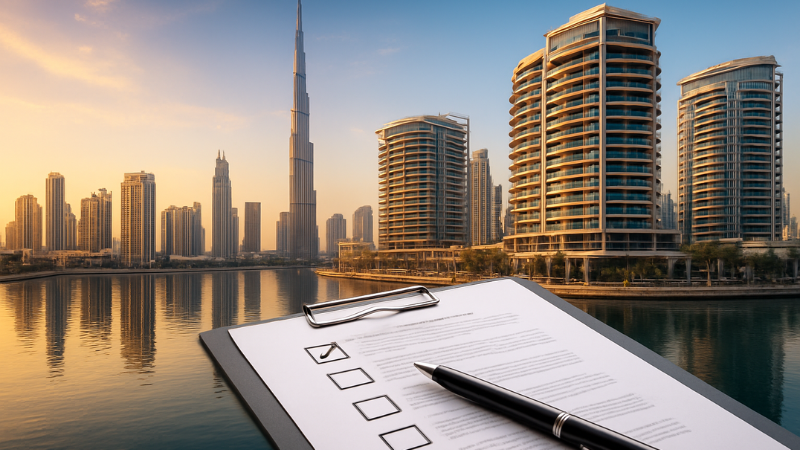
Dubai, UAE – Indian investors continue to play a pivotal role in Dubai’s real estate market, drawn by the promise of tax efficiency, high rental yields, and a cosmopolitan lifestyle. Yet, navigating legal requirements is essential for a smooth transaction and long-term asset security. Here’s a detailed legal checklist for Indian citizens buying real estate in Dubai in 2025—fact-checked and sourced for full transparency.
1. Eligibility: Who Can Buy Property in Dubai?
Indian citizens—both residents and non-residents—can legally buy property in Dubai. Since 2002, Dubai’s laws have enabled foreigners to purchase, sell, and rent property in designated freehold zones such as Downtown Dubai, Palm Jumeirah, Dubai Marina, and more. There is no UAE visa requirement at the buying stage, though investors can later use property ownership to apply for residency.
2. FEMA and LRS Compliance: Sending Money from India
Under India’s Foreign Exchange Management Act (FEMA) and the Liberalised Remittance Scheme (LRS), Indian residents may remit up to USD 250,000 per financial year per individual for property purchases abroad. Couples and family members may combine limits for larger acquisitions. The remittance must be reported as part of foreign asset holdings annually to Indian tax authorities.
3. Documentation: What You Need
The core documents for Indian buyers include:
- A valid Indian passport
- Proof of funds/Indian bank account (showing source under LRS rules)
- Signed Sale and Purchase Agreement (SPA) or Memorandum of Understanding (Form F)
- 10% refundable deposit (held in escrow)
- No Objection Certificate (NOC) from developer (for resale)
- Emirates ID (if resident), or passport if non-resident
- Updated Title Deed upon successful transfer
Property Kumbh’s Er. Manoj Yadav, a noted consultant for NRIs, highlights:
“Ensuring all documents are in order—not just for Dubai’s Land Department but also India’s foreign asset reporting—is crucial for legal compliance and peace of mind.”
4. Freehold Zones and RERA Registration
Foreigners, including Indians, may only buy in designated freehold areas. Always verify the property is registered with Dubai’s Real Estate Regulatory Agency (RERA) for transparency and buyer protection. Avoid unregistered or “off-plan” properties from unknown developers.
5. Financing and Mortgages
Indian banks (ICICI, HDFC) as well as UAE banks offer home loans to NRIs for Dubai properties, usually covering up to 75–80% of the property’s value. Dubai banks typically require a 20–40% down payment from non-resident investors. Ensure eligibility—good credit and income proof are mandatory.
6. Legal Due Diligence and Agent Verification
Engage only with RERA-licensed Dubai real estate agents and legal advisors to avoid fraud. Conduct thorough due diligence on property title, outstanding dues, developer reputation, and whether the property is clear of encumbrances. Legal experts recommend using escrow-managed accounts for all payments.
7. Taxation, Repatriation, and India Compliance
- No annual property or capital gains tax: Dubai offers tax-free rental income and gains, but Indian owners must declare foreign assets and pay tax on overseas income above certain limits.
- Repatriation: Up to USD 1 million in sale proceeds/year can be repatriated to India under RBI rules, after documentation and tax clearance.
- Disclosure under Black Money Act (India): All Dubai property must be reported yearly to Indian tax authorities.
8. Final Transaction: Transfer of Ownership
The final transfer takes place at the Dubai Land Department (DLD), requiring payment of a 4% transfer fee (plus admin costs), after which the new Title Deed is issued in the buyer’s name. At this stage, the purchase is legally complete and ownership secured.
9. Golden Visa Benefits
A single or combined property purchase of AED 2 million or more qualifies Indian investors for a long-term UAE Golden Visa (10 years), giving residency rights to the buyer, spouse, and dependent children.
Conclusion
For Indian citizens, the legal checklist for Indian citizens buying real estate in Dubai provides a robust framework for safe and compliant property investment. By following each step—from FEMA/LRS compliance to RERA verification, legal due diligence, and proper documentation—Indian investors can confidently tap into Dubai’s global property market, earning strong yields and enjoying a cosmopolitan lifestyle.
Discover more from Invest Dubai Today - Dubai Realty Insights
Subscribe to get the latest posts sent to your email.