

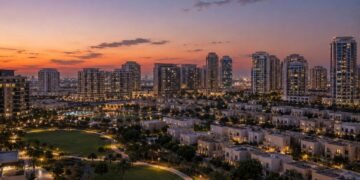
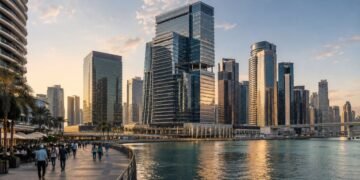
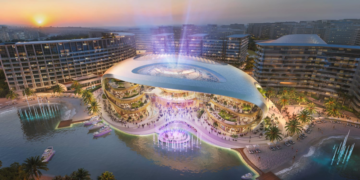

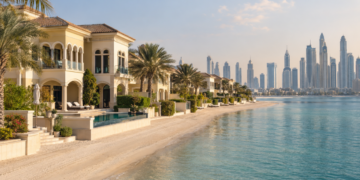















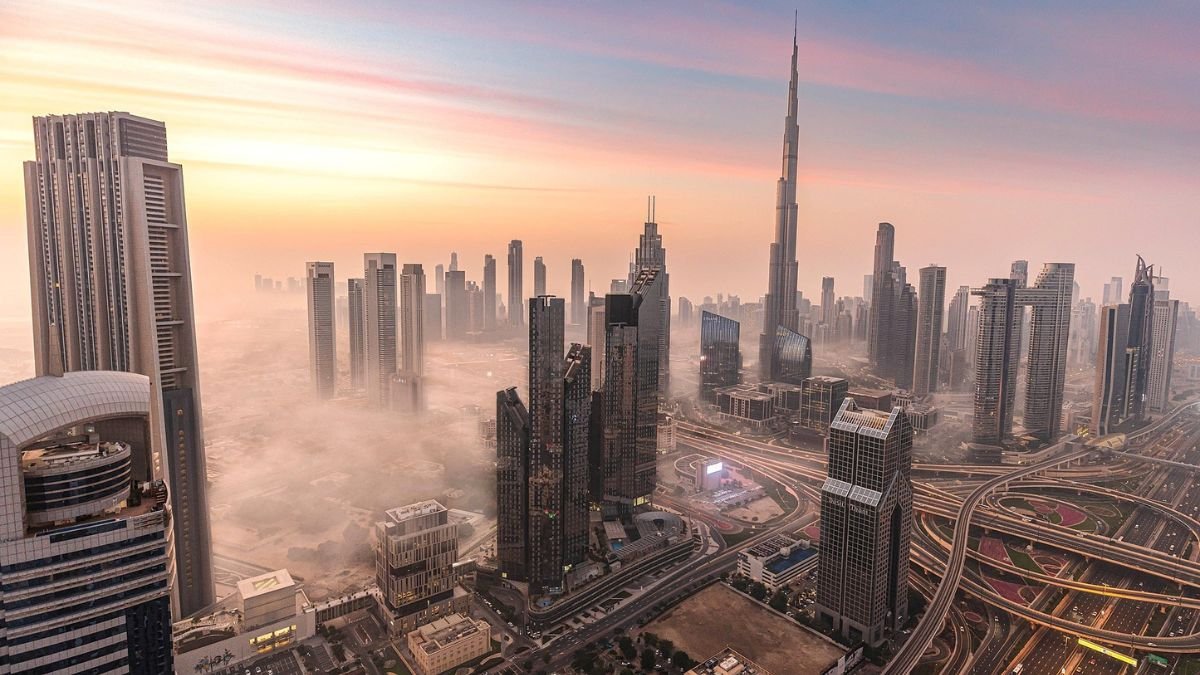
Dubai, UAE — Sobha Realty’s launch of Sobha Sanctuary introduces one of the largest additions to Dubai’s off-plan villa pipeline at a time when villa supply remains structurally constrained but future deliveries are becoming more visible. The scale of the masterplan places it firmly within Dubai’s next phase of suburban expansion, where absorption, execution certainty, and long-term family demand will matter more than near-term launch velocity.
Development Overview
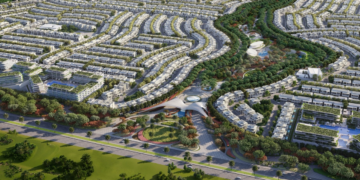
Sobha Realty announced Sobha Sanctuary, a master-planned development spanning 37.5 million square feet off Al Ain Road near Sobha Elwood. The project includes about 20,000 residential units—approximately 18,000 apartments and 2,000 villas—intended to accommodate around 20,000 families, according to the developer.
Francis Alfred, Managing Director of Sobha Realty, said: “Sobha Sanctuary represents a landmark moment for Sobha Realty as we mark 50 years of building with purpose, precision, and integrity.”
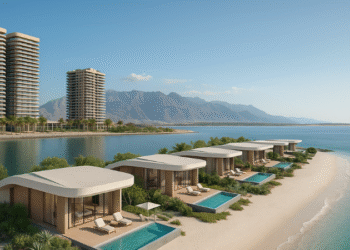
The first phase of the development will focus on villa living, with a limited release of around 250 villas across categories. The masterplan includes a central destination park, a community mall, a wellness centre, sports facilities, and an extensive network of green corridors and leisure loops extending up to 9km, with more than 50,000 trees planned across the site.
Where This Sits in Dubai’s Market
Dubai’s residential transaction mix has remained heavily skewed toward off-plan product through 2025, supported by payment-plan demand and population growth. Villa prices have outperformed apartments in recent cycles due to limited completed stock, even as new master-planned communities push supply further into suburban corridors.
Also read: Sobha Realty Launches Sobha AquaCrest in $20bn Downtown UAQ Masterplan
Sobha Sanctuary adds volume in Dubailand, an area increasingly positioned as a family-led residential zone adjacent to other large-scale developments such as Emaar’s The Valley. While villa demand remains strong, the market is gradually shifting from scarcity-driven pricing toward a phase where absorption rates, infrastructure delivery, and phased handovers will determine long-term performance.
Alfred said: “As our largest single development in Dubai to date, this masterplan reflects a long-term vision to create a community where nature, wellness, and thoughtful design come together at scale. Guided by our philosophy of quality without compromise and our ‘The Art of Detail’ ethos, Sobha Sanctuary is designed not only for families today, but for generations to come.”
How Investors Read This
For investors, Sobha Sanctuary represents a long-horizon bet on suburban villa demand rather than short-cycle appreciation. Large masterplans of this scale typically reward patient capital, with value creation linked to phased delivery, population inflows, and the maturity of surrounding infrastructure.
Yield sustainability will depend on rental depth for family villas once handovers begin, particularly as competing supply enters the market over the second half of the decade. While Sobha’s fully backward-integrated development model supports execution certainty, capital remains tied up over multiple years, limiting liquidity until secondary-market depth develops.
Indian and NRI buyers—who now account for a significant share of Dubai’s villa demand—often view such developments through a long-hold lens, balancing Golden Visa eligibility thresholds with expectations of stable occupancy rather than rapid resale.
Execution and Absorption Risks
The principal risk lies in delivery timing and phased absorption. With villa supply expected to increase steadily through the end of the decade, pricing power may become more sensitive to incentives, service charges, and competing launches in nearby corridors. Cost inflation, labour availability, and infrastructure sequencing remain variables that can affect long-term outcomes, particularly for projects with extended delivery timelines.
Also read: Sobha Realty Unveils ‘The S’ at Hartland II as Part of New Ultra-Luxury Privy Collection
Market participants will closely monitor phase-one villa sales velocity, construction progress, and infrastructure execution in Dubailand relative to population growth trends. Leasing performance post-handover, alongside any policy changes affecting residency or ownership, will provide clearer signals on whether large-scale suburban villa communities can sustain demand as supply broadens.
Sobha Sanctuary underscores Dubai’s transition toward large, wellness-led residential ecosystems designed for long-term family occupancy rather than speculative turnover. For investors, the project reinforces a market dynamic where execution reliability and leasing depth increasingly outweigh launch momentum. End-users stand to benefit from amenity-rich, nature-integrated living environments, while Indian and NRI buyers face familiar trade-offs between early off-plan entry and the longer wait required for community maturity and stable rental performance.
Discover more from Invest Dubai Today - Dubai Realty Insights
Subscribe to get the latest posts sent to your email.