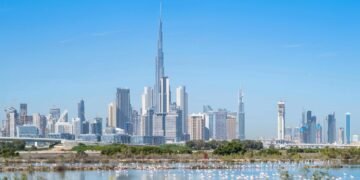
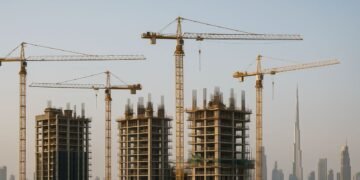
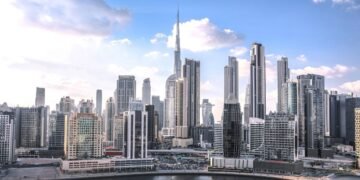
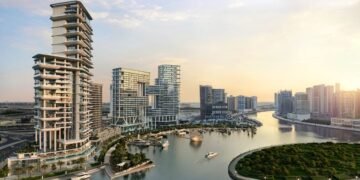


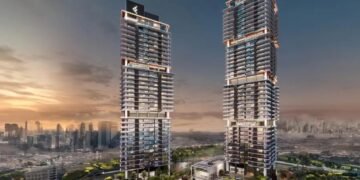
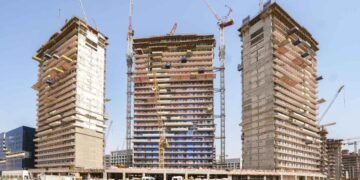
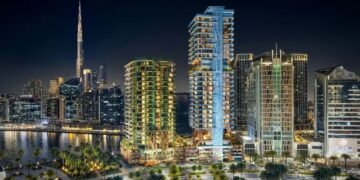






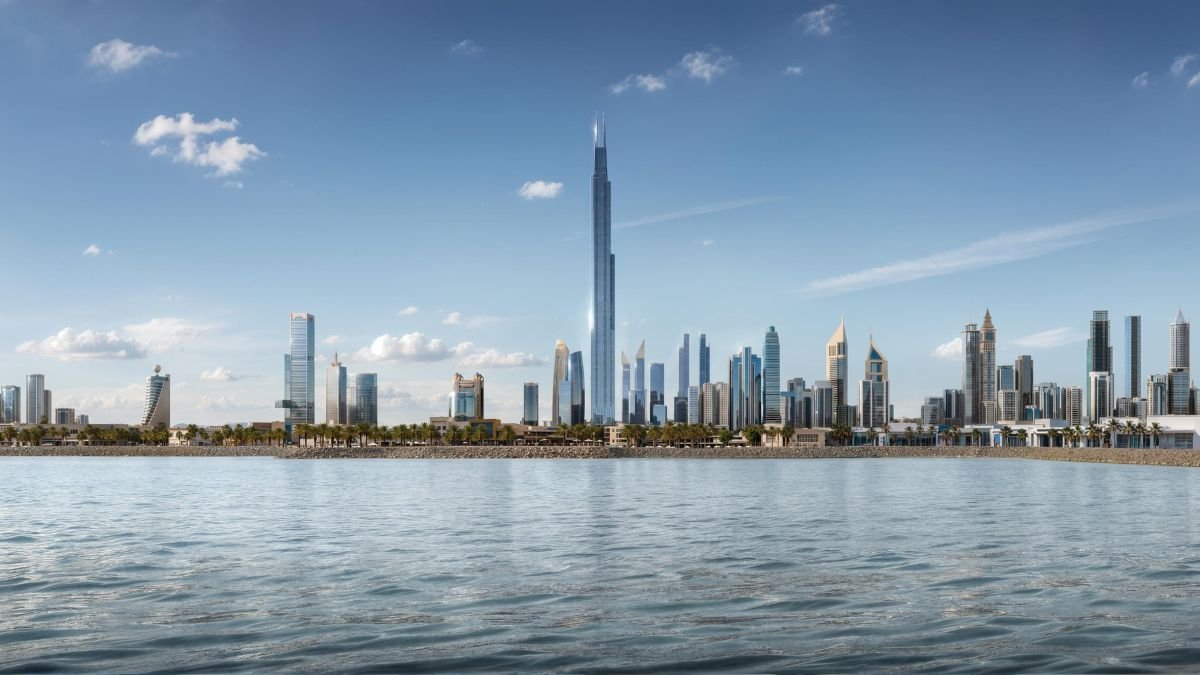
Dubai, UAE — Azizi Developments has announced a Burj Azizi pricing update, confirming that residences in the 725-metre tower will now be available from AED 4.97 million as construction progresses on what is set to become the second tallest building ever engineered.
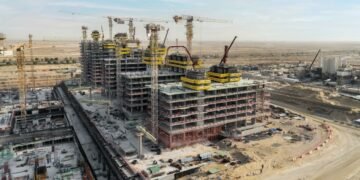
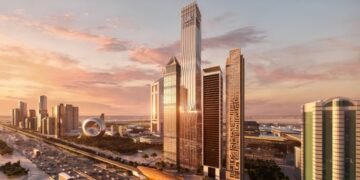
Rising 140 storeys along Sheikh Zayed Road, Burj Azizi is scheduled for completion in 2029. The project forms part of Dubai’s continuing push into super-tall, mixed-use vertical developments that combine residential, hospitality and leisure components within a single structure.
The updated entry pricing positions the tower within the upper tier of Dubai’s luxury residential segment, while remaining below the ultra-prime bracket associated with branded penthouses in Downtown Dubai and Palm Jumeirah.
Positioning within Dubai’s Vertical Landscape
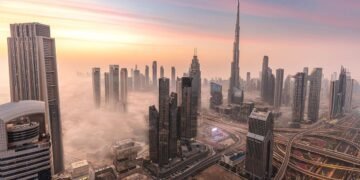
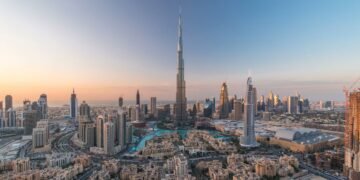
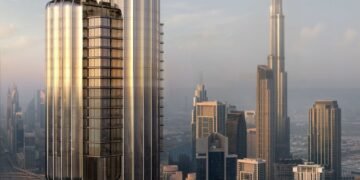
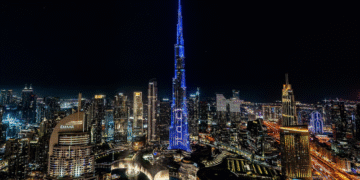
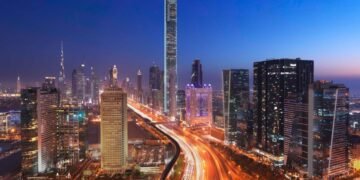
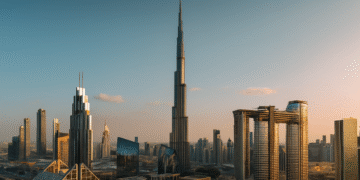
At 725 metres, Burj Azizi will rank just below the 828-metre Burj Khalifa, placing two of the world’s tallest towers within a short distance of each other along Sheikh Zayed Road.
Also read: Dubai Off-Plan Vs Ready Market Split Week 7 Tilts on Mega Deals
Farhad Azizi, Group CEO of Azizi Group, said the proximity of the two super-talls reflects Dubai’s ambition to redefine the urban skyline. “To have the two tallest buildings in the world located just kilometres apart is a powerful statement of Dubai’s unparalleled ambition and capacity to redefine what cities can achieve,” he said.
While skyline symbolism remains central to the tower’s branding, market absorption will depend on pricing discipline, delivery timelines and broader liquidity conditions over the next four years.
Mixed-Use Vertical Ecosystem
Burj Azizi has been designed as a fully integrated vertical destination, combining one- to three-bedroom apartments with ultra-luxury penthouses occupying upper residential floors through dedicated lobbies.
Amenity floors distributed throughout the tower will include pools, a spa, fitness facilities, cinema and dining options. Above the residential levels, an all-suite hotel is planned, accompanied by retail, entertainment and cultural spaces.
The development also intends to feature record-claim elements, including observation, hospitality and dining venues located at high elevations. A museum at the summit will document the tower’s construction journey.
Such vertical integration aligns with Dubai’s established model of blending residential real estate with experiential hospitality, a format that has proven effective in high-density urban zones. However, the long-term viability of this model will depend on sustained tourism and corporate travel demand, particularly given the project’s 2029 completion horizon.
Engineering Complexity and Delivery Risk
Super-tall structures introduce heightened engineering and financial complexity. The project is led by Executive Director Kang Sang Ku, whose previous work includes involvement in landmark towers such as Burj Khalifa.
Azizi Developments operates a vertically integrated structure covering design, contracting, manufacturing and property management. The company has emphasised factory-based testing and full-scale mock-ups prior to on-site construction to reduce execution risk.
Also read: Sub-1% Payment Plans Return as Danube Cuts Monthly Installments
For a development of this scale, cost escalation and supply chain volatility remain key variables. Over a multi-year build cycle, fluctuations in material prices and global logistics can materially affect delivery budgets.
Super-tall projects historically require strict project management discipline to avoid delays. The 2029 target completion places the tower’s handover within a different market cycle than its current launch phase, meaning buyer sentiment and macroeconomic conditions may evolve substantially before delivery.
Pricing Context and Market Outlook
With entry-level units starting at AED 4.97 million, Burj Azizi enters a competitive luxury landscape that includes premium towers in DIFC, Business Bay and Downtown Dubai.
The pricing suggests a positioning that blends aspirational skyline value with broader accessibility compared to ultra-branded penthouse offerings exceeding AED 20 million in established prime districts.
However, demand for super-tall residences typically relies on high-net-worth individuals, international investors and capital inflows linked to Dubai’s global positioning. Any moderation in global liquidity or geopolitical shifts could influence absorption rates over the coming years.
At the same time, Dubai’s track record in delivering high-rise landmarks — coupled with continued population growth and corporate relocation — provides structural support to the luxury segment.
Long-Term Strategic Play
The Burj Azizi pricing update reflects more than a unit repricing exercise; it signals continued developer confidence in Dubai’s long-term vertical real estate narrative.
As construction advances, the project’s success will ultimately depend on three core factors: disciplined execution, sustained international demand and the broader economic environment at completion.
For now, the tower reinforces Dubai’s position as a global centre for architectural scale and mixed-use innovation — while entering a competitive ultra-tall pipeline that will test the depth of demand through the remainder of the decade.
Discover more from Invest Dubai Today - Dubai Realty Insights
Subscribe to get the latest posts sent to your email.