


















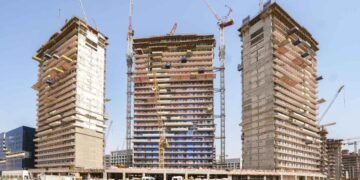

















Dubai, UAE — Investor attention is increasingly shifting from headline transaction volumes to forward-looking demand signals as Dubai enters a heavier supply phase in 2026. Against this backdrop, Dubai property buyer intent has emerged as a key indicator of whether absorption can keep pace with new launches, particularly across mid-market and off-plan inventory.
New consumer sentiment data suggests that buyer appetite remains intact even as expectations around price growth turn more measured, reinforcing the view that the market is transitioning from momentum-driven growth to a more deliberate, confidence-led cycle.
What The Survey Shows
According to a bi-monthly Market Pulse survey released by Property Finder, around seven in ten UAE residents surveyed said they plan to purchase property within the next six months. The survey captured responses from 5,540 participants across November and December 2025, offering a near-term view of buyer behaviour as the market moves into 2026.
Also read: Off-Plan vs Ready Properties in Dubai: What Works Best for Indian Buyers?
While Dubai property buyer intent remains elevated, expectations around pricing appear balanced rather than speculative. In December, 39% of respondents anticipated price declines, 32% expected prices to rise, and 29% forecast stable pricing. This marked a marginal improvement from earlier in the quarter, when a slightly higher share of buyers expected downward price movement.
What This Signals For Dubai’s Housing Market
The combination of strong purchase intent and restrained price expectations points to a market driven less by fear-of-missing-out and more by timing and value assessment. For developers and investors, Dubai property buyer intent at this level suggests that demand has not evaporated despite increased visibility around the supply pipeline.
Market data from DXB Interact and brokerage reports through late 2025 show off-plan transactions continuing to account for a majority of deal volumes, particularly in apartment-led communities. However, the moderation in price expectations indicates buyers are becoming more selective, comparing launches against ready stock, payment structures, and delivery credibility.
This dynamic is consistent with a maturing cycle, where confidence persists but pricing power becomes increasingly project-specific rather than market-wide.
Demand Without Price Euphoria
From an investor standpoint, sustained Dubai property buyer intent supports leasing depth and resale liquidity, particularly in districts with established infrastructure and transport connectivity. However, the survey data also reinforces that buyers are no longer assuming uninterrupted price appreciation.
Also read: Dubai Design District Masterplan Expands as Off-Plan Sales Dominate
This has implications for capital deployment in 2026. Assets positioned around end-user affordability, efficient unit sizes, and credible handover timelines are likely to outperform purely aspirational launches. Yield sustainability, rather than rapid capital uplift, is becoming a more central consideration as mortgage-backed purchases account for a rising share of transactions, according to market trackers.
Confidence Anchored in Fundamentals
Commenting on the findings, Property Finder’s Chief Revenue Officer Cherif Sleiman said buyer confidence remains anchored in structural factors rather than short-term price movements. “Seven in ten people planning to buy is a powerful signal. It shows that confidence in Dubai’s property market remains deeply rooted, driven by the city’s global appeal, regulatory maturity and long-term fundamentals,” he said, adding that buyers are price-aware but not disengaged.
This aligns with broader market indicators showing stable population growth, continued inflows of skilled professionals, and regulatory clarity around ownership and long-term residency, all of which underpin Dubai property buyer intent even as supply expands.
Absorption Versus Supply Visibility
The key constraint for 2026 remains execution and absorption timing. With a large volume of residential units scheduled for delivery over the next 18–24 months, demand will need to translate into completed transactions at handover, not just off-plan reservations.
If pricing expectations soften further while service charges rise or delivery timelines slip, some segments could see pressure on secondary-market liquidity. This is particularly relevant in locations with multiple overlapping launches targeting similar buyer profiles.
What To Watch Next
As 2026 unfolds, investors will be monitoring whether Dubai property buyer intent converts into sustained transaction velocity once new projects reach completion. Mortgage uptake trends, rental growth stability, and differences in absorption between ready and off-plan stock will provide clearer signals on which segments are best positioned to navigate the next phase of the cycle.
For investors, strong Dubai property buyer intent supports the case for disciplined exposure to projects with credible delivery records and defensible pricing rather than broad market bets. End-users benefit from increased choice and negotiating power as supply rises. For Indian and NRI buyers, the combination of stable dirham-linked assets and moderated pricing expectations may improve entry timing, though execution risk and long-term rental depth will remain key variables to assess through 2026.
Discover more from Invest Dubai Today - Dubai Realty Insights
Subscribe to get the latest posts sent to your email.