































Dubai, UAE — Early signals from Dubai’s property market suggest geopolitical risk is rising faster than buyer exits.
Data from Binghatti shows cancellations have remained below 1% despite escalating regional tensions linked to the Iran conflict, indicating limited immediate disruption to buyer commitments.
The developer said average weekly sales have held at around AED 500 million since the onset of the conflict, broadly in line with pre-escalation levels. The figures point to continued transactional activity at the developer level, even as broader market indicators begin to soften.
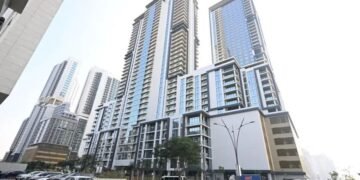
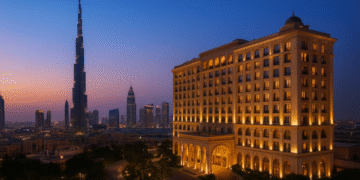
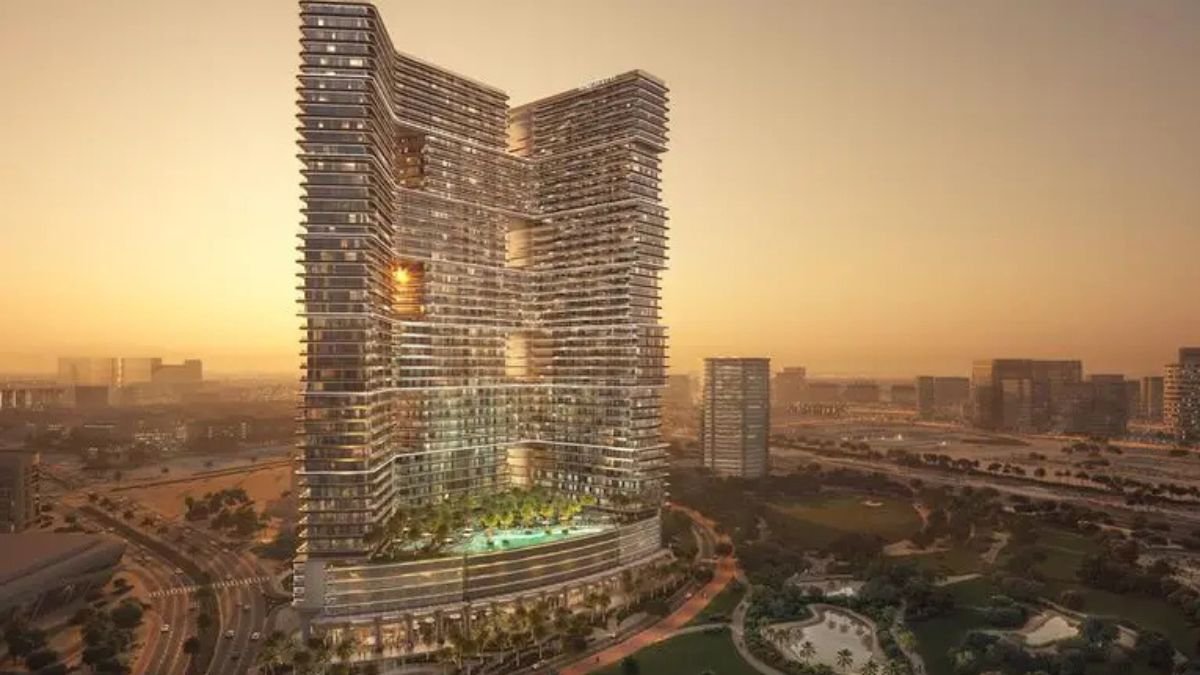
Its recently launched Mercedes-Benz Places 1 Binghatti has recorded an absorption rate of around 50% since launch, suggesting that demand for branded, high-end inventory remains intact, at least in the near term.
Also read: Binghatti’s 2025 Results Show Which Developers Can Scale and Deliver
The stability in Binghatti’s operational metrics contrasts with emerging signs of cooling across the wider market. In a note published last week, Goldman Sachs said real estate transactions in Dubai fell 37% year-on-year in the first two weeks of March, pointing to a slowdown in deal activity as geopolitical uncertainty increased.
The divergence between developer-reported sales and broader transaction data suggests that the impact of the conflict may not yet be fully reflected in project-level performance. It also raises the possibility of a lag effect, where weakening sentiment translates into slower bookings or higher cancellations over time rather than immediately.
Credit markets are beginning to reflect that risk more directly.
Fitch Ratings last week placed Binghatti’s Long-Term Issuer Default Rating of ‘BB-’ and its senior unsecured debt on Rating Watch Negative, citing heightened geopolitical risks affecting Dubai and the wider region. The action extends to instruments issued by Binghatti Sukuk SPC Limited and Binghatti Sukuk 2 SPV Limited.
At the same time, Moody’s affirmed the developer’s Ba3 Corporate Family Rating with a stable outlook, pointing to strong liquidity, disciplined execution, and a cash-generating pipeline.
The split between rating agencies reflects differing assessments of near-term risk. While Fitch is pricing in potential downside from geopolitical exposure, Moody’s appears to be weighting execution track record and existing sales visibility more heavily.
Binghatti’s own pipeline data supports the latter view, at least for the near term.
Also read: Mercedes-Benz Places Binghatti City Launches in Dubai Meydan
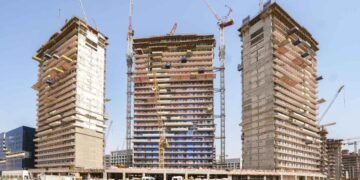
The developer said around two-thirds of its gross development value under construction had already been sold as of February 2026. In addition, nearly 90% of units scheduled for handover this year are fully sold, providing a degree of forward revenue visibility even if new sales slow.
This level of pre-sales reduces immediate balance sheet pressure and limits exposure to a sudden drop in demand. However, it does not fully insulate future launches from shifts in buyer sentiment, particularly if geopolitical tensions persist or escalate further.
Dubai’s property market has, in recent years, attracted sustained inflows from global high-net-worth individuals, drawn by relative stability, tax advantages, and strong price momentum. The current episode represents one of the first real tests of that positioning in a more volatile regional environment.
So far, the data suggests that while transaction volumes may be moderating, committed buyers are not exiting in large numbers.
The next phase will depend on whether the decline in broader market activity begins to filter through into developer-level metrics—particularly cancellations, absorption rates, and pricing discipline—over the coming quarters.
Discover more from Invest Dubai Today - Dubai Realty Insights
Subscribe to get the latest posts sent to your email.