













Dubai, UAE — Dubai’s property market is showing signs of demand resilience even during traditionally slower trading periods, with developers reporting strong transaction activity through Ramadan. The latest Dubai Ramadan property sales resilience signal comes as Azizi Developments recorded AED2 billion in sales during a month-long campaign, suggesting that buyer appetite remains intact despite seasonal constraints.
Ramadan typically sees reduced business hours and softer transaction volumes, making sales performance during this period a useful indicator of underlying market strength and liquidity.
What Happened
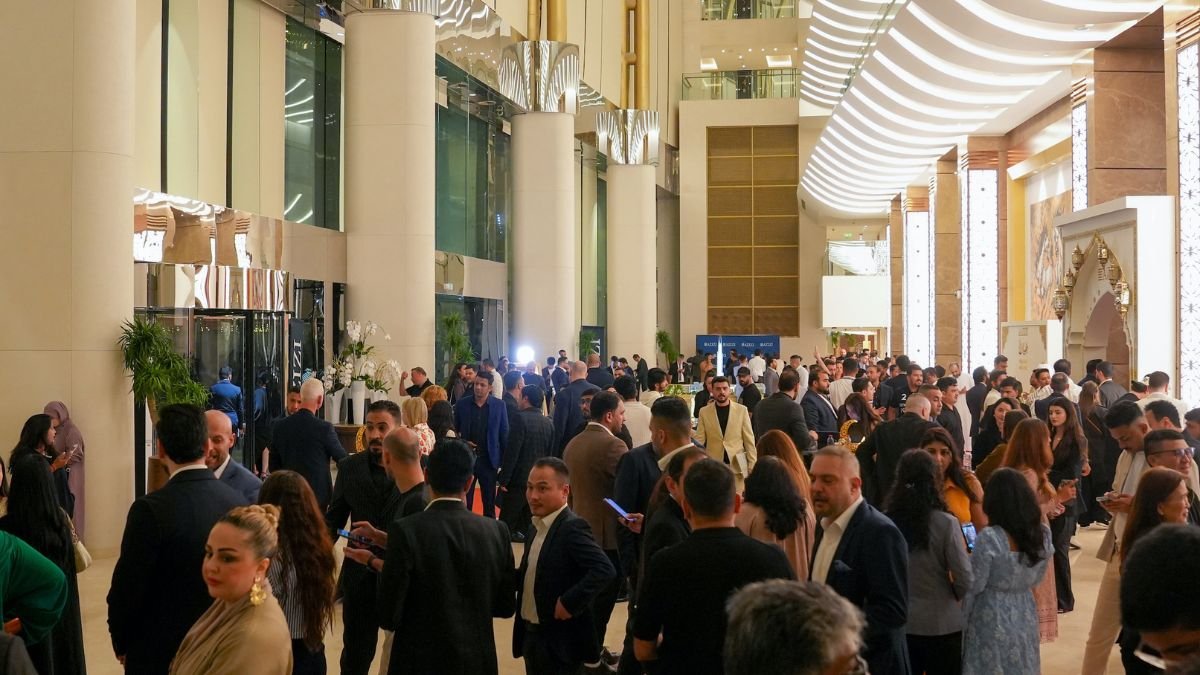
Azizi Developments said it generated AED2 billion in sales during its Ramadan programme, which was held at the Meydan Hotel Ballroom over the course of the month.
The developer attributed the performance to continued demand for its residential portfolio, supported by a campaign designed to engage buyers through structured sales events.
Farhad Azizi, Group CEO of Azizi Group, said: “The strong performance recorded during the holy month of Ramadan reinforces the underlying strength of Dubai’s real estate sector, which continues to stand out as one of the most resilient and attractive globally.”
He added: “Even in periods where other markets may slow, Dubai maintains continuity, supported by a stable operating environment and long-term planning. Backed by the emirate’s outstanding leadership, advanced infrastructure, and investor-friendly framework, demand remains sustained and confidence intact, underpinned by a long-term outlook that extends well beyond short-term regional challenges.”
Off-Plan Demand Remains Dominant
The Dubai Ramadan property sales resilience reflected in Azizi’s performance aligns with broader trends in the emirate’s real estate market, where off-plan transactions continue to account for a significant share of activity.
Data from platforms such as DXB Interact has shown that primary sales have consistently outpaced secondary market transactions in recent years, driven by flexible payment plans and new project launches.
Developers have increasingly adopted event-driven sales strategies, including themed campaigns and time-bound offers, to sustain transaction momentum throughout the year. Ramadan campaigns, in particular, have evolved into structured sales periods rather than slowdowns, reflecting a shift in how demand is managed.
This model allows developers to concentrate buyer engagement within defined windows, creating transaction spikes even during periods that would traditionally see lower activity.
Liquidity and Buyer Behaviour
From an investor perspective, the Dubai Ramadan property sales resilience suggests that liquidity in the market remains strong, supported by both end-user demand and investor participation.
The ability to generate significant sales volumes during Ramadan indicates that buyer interest is not solely dependent on peak trading periods. Instead, demand appears to be sustained by factors such as payment plan structures, project positioning and broader confidence in Dubai’s real estate market.
For overseas investors, including those from India, structured sales campaigns often provide clearer entry points, particularly when combined with flexible payment options. However, the concentration of transactions within event-led campaigns also suggests that purchasing decisions may be influenced by marketing timelines rather than purely organic demand.
This dynamic highlights the importance of distinguishing between sustained market demand and campaign-driven transaction spikes.
Market Constraints and Demand Sustainability
While the reported sales performance reinforces positive sentiment, the Dubai Ramadan property sales resilience should be viewed in the context of broader market dynamics.
Event-driven sales can accelerate transactions within a short timeframe, but they do not necessarily indicate sustained absorption across the entire market. The ability of developers to maintain similar levels of activity outside promotional periods will be a key factor in assessing demand stability.
In addition, Dubai’s expanding supply pipeline remains a critical consideration. As new projects continue to enter the market, competition across residential segments may increase, particularly in areas with high development activity.
Pricing sensitivity and buyer selectivity may also become more pronounced if supply growth begins to outpace demand, especially in mid-market segments where affordability plays a central role.
What To Watch Next
The performance of Dubai Ramadan property sales resilience will need to be evaluated against post-Ramadan transaction data to determine whether demand remains consistent beyond campaign-driven periods.
Market participants will be watching whether developers can sustain sales momentum through the rest of the year without relying heavily on event-based strategies.
Rental market performance and occupancy levels will also serve as indicators of underlying demand strength, particularly as new supply is delivered.
Implications for Investors and End-Users
For investors and end-users, particularly Indian and NRI buyers, the Dubai Ramadan property sales resilience highlights a market that continues to demonstrate liquidity even during seasonal slowdowns.
While strong sales during Ramadan suggest confidence and active participation, it is important to assess how much of this activity is driven by structured campaigns versus underlying demand fundamentals.
Dubai’s real estate market continues to offer opportunities across segments, but long-term outcomes will depend on factors such as supply absorption, rental demand and execution timelines. As the market evolves, transaction timing and project selection are likely to play an increasingly important role in shaping investment decisions.
Discover more from Invest Dubai Today - Dubai Realty Insights
Subscribe to get the latest posts sent to your email.