













Dubai, UAE — The Dubai rental market 2025 recorded sustained expansion, with total registered tenancy contracts rising to 1.38 million and reaching a combined value of AED126.4 billion, according to data released by Dubai Land Department.
Contract volumes increased 6% year-on-year, while total rental value grew 17%, indicating that pricing growth significantly outpaced transaction expansion. The divergence suggests strengthening rental benchmarks across both residential and commercial segments as demand continues to outstrip immediate supply in several districts.
The scale of activity reinforces the rental sector’s role as a core pillar of Dubai’s real estate ecosystem, functioning as both a housing solution for new residents and a stabilising force within broader property market cycles.
Demand Growth Balanced by Retention Stability
New tenancy contracts exceeded 513,000 in 2025, reflecting a 10% increase compared to the previous year. At the same time, renewed contracts rose 3% to more than 514,000 agreements, indicating consistent tenant retention and improving market stability.
The parallel rise in new and renewal contracts suggests a market supported not only by inbound migration and corporate expansion but also by sustained resident commitment to long-term occupancy.
Also read: Dubai Property Transactions Fall 27% to AED 10.2bn in Week 8
This performance aligns with Dubai’s broader economic objectives under the Dubai Economic Agenda D33 and the Dubai Real Estate Sector Strategy 2033, both of which emphasise quality of life, regulatory clarity and a balanced ownership-rental dynamic.
Continued Momentum
Beyond rental activity, development metrics in 2025 reflected strong execution levels. A total of 124 projects were completed during the year, marking a 7% increase, with aggregate completion value rising 23% to AED27.5 billion.
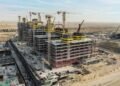
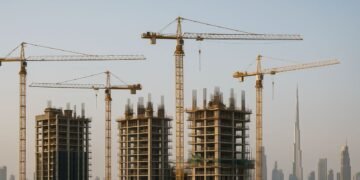
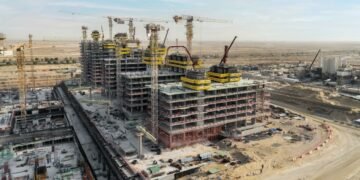
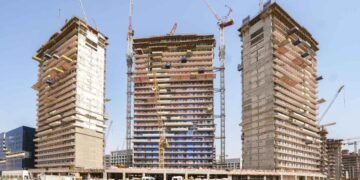
Simultaneously, the number of projects under construction climbed 25% to 937, signalling continued developer confidence and a robust forward pipeline.
The expansion of supply may provide incremental relief to rental pressure over time, although the pace and geographic distribution of deliveries will determine how quickly equilibrium is restored in high-demand districts.
Sales Activity and Premium Shift
Parallel to rental growth, property sales in 2025 also demonstrated upward momentum. Sold units increased 25% to 147,500 transactions, with total sales value rising 30% to AED280 billion.
Interestingly, villa transaction volumes declined while overall villa values increased by 12%, indicating a shift toward higher-value inventory and premium residential segments.
This trend reflects ongoing appetite for quality assets and suggests that while rental demand remains strong, ownership remains attractive for capital deployment among both domestic and international buyers.
Licensing Expansion and Institutional Depth
At a regulatory and operational level, 2025 marked significant growth in licensing activity. A total of 4,122 new real estate offices were registered, representing a 102% increase and bringing the total number of active real estate offices in Dubai to 10,182.
Also read: Dubai Real Estate Enters a Maturity Phase as 2025 Sets New Benchmarks
Additionally, 14,364 real estate licences were issued across various categories, led by 6,009 licences for sales and purchase brokerage and 3,513 for leasing brokerage. Other licences covered transaction follow-up services, land trading, development, consultancy and property supervision.
The expansion of licensing activity underscores the increasing institutional scale of the market. However, rapid growth in brokerage numbers may intensify competition and margin pressure across service providers.
Maturity with Structural Considerations
The performance of the Dubai rental market 2025 reflects a maturing ecosystem characterised by regulatory clarity, operational scale and sustained liquidity.
Nonetheless, several variables warrant monitoring. Continued rental inflation could affect affordability for certain segments, while a substantial increase in project completions in 2026 and 2027 may moderate rental growth rates.
Global macroeconomic conditions, corporate relocation trends and capital inflows will also influence demand resilience. As Dubai strengthens its position as a business and lifestyle hub, rental stability remains closely linked to employment expansion and demographic growth.
For now, the rental sector appears structurally supported by diversified demand, measured pipeline expansion and institutional governance.
The combined growth in tenancy value, project completions, sales transactions and licensing activity signals a real estate market operating at scale rather than in short-term acceleration mode — a transition that reinforces Dubai’s positioning as a globally competitive property destination.
Discover more from Invest Dubai Today - Dubai Realty Insights
Subscribe to get the latest posts sent to your email.