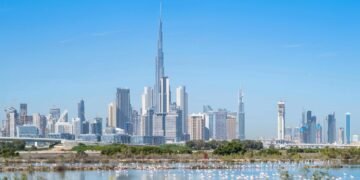
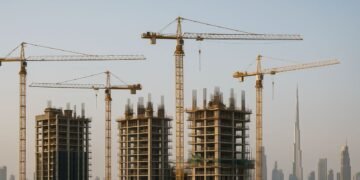
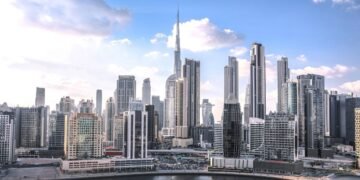






Dubai, UAE — More than two decades after the term “Blue Zones” was coined to describe regions where people live significantly longer and healthier lives, the philosophy behind longevity research is finding new expression in Dubai’s luxury property market.
The concept, first introduced by American researcher and National Geographic Fellow Dan Buettner following studies of Okinawa in Japan, later expanded to Sardinia in Italy, Nicoya in Costa Rica, Icaria in Greece and Loma Linda in California. These communities were identified not simply for lifespan, but for environments where nature, movement and social integration were embedded into daily routines.
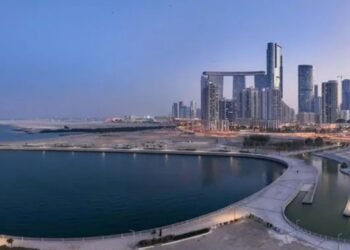
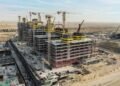
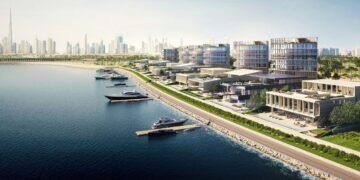
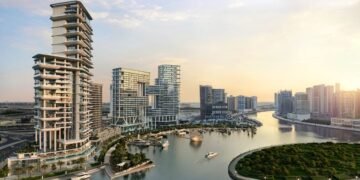
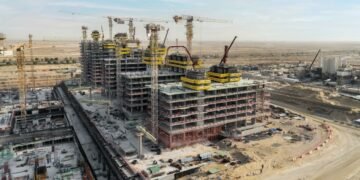
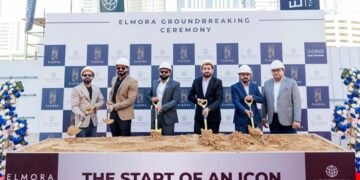
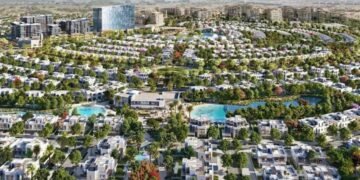
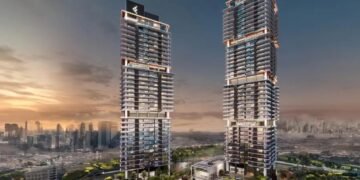
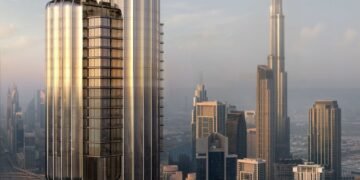
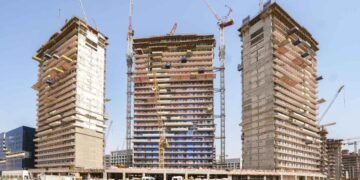
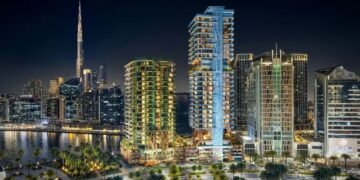
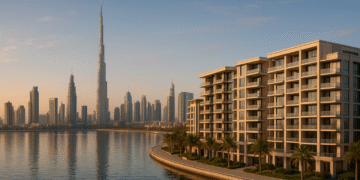
In Dubai, similar principles are now influencing masterplanning decisions at projects such as Keturah Reserve wellness community Dubai, a AED5.7 billion development under construction in Mohammed Bin Rashid City’s District 7.
Longevity Principles Move from Research to Real Estate
The Blue Zones framework emphasised environmental factors — clean air, access to nature, walkability, community interaction and circadian alignment — as fundamental contributors to health outcomes.
Translating those principles into urban design requires infrastructure, not symbolism. At Keturah Reserve, the development strategy centres on three environmental inputs: air, water and light. Air filtration systems are designed to remove particulate matter and airborne chemical compounds, while water systems focus on purification and monitoring. Lighting within residential units is calibrated to reflect natural daylight cycles, supporting sleep and circadian rhythms.
Landscaping incorporates mature trees, shaded walkways and green corridors aimed at encouraging outdoor movement, while communal amenities include educational spaces and structured outdoor activities for families.
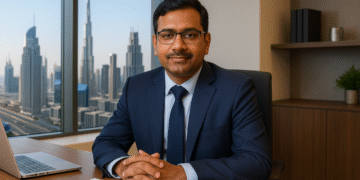
Talal M. Al Gaddah, CEO and Founder of the Keturah luxury brand, said the shift toward health-integrated design reflects broader market evolution. “Developments that successfully integrate green infrastructure, walkable streets and community-focused amenities are expected to outperform the wider market,” he noted, adding that wellness-driven properties in Dubai have demonstrated price premiums in recent years.
Policy Backdrop Strengthens the Narrative
The private-sector emphasis on wellness coincides with a broader municipal push to embed green infrastructure into Dubai’s long-term growth model.
Dubai Municipality recently launched its Blue and Green Spaces Roadmap, a AED4 billion initiative aimed at expanding public parks, planting 1.5 million trees and integrating more than 200 sports and recreational facilities across the city over five years.
The roadmap reinforces Dubai’s ambition to position itself as a sustainable, liveable global city. By aligning private developments with public environmental goals, projects such as Keturah Reserve are effectively operating within a citywide policy framework that prioritises wellbeing.
Wellness as a Pricing Strategy
While health-centric design carries lifestyle appeal, its commercial implications are increasingly evident. According to developer estimates cited by Al Gaddah, wellness-focused properties in Dubai command premiums of up to 15%, while branded residences with lifestyle credentials can secure 15% to 25% above standard benchmarks.
The pricing dynamic reflects a broader shift in buyer priorities, particularly within the luxury segment where differentiation is critical. In a market saturated with high-end towers and branded offerings, environmental performance and integrated wellbeing may provide an additional competitive layer.
However, the durability of such premiums depends on execution credibility. As wellness branding becomes more common, the market may distinguish between projects that embed measurable environmental systems and those that rely on aesthetic landscaping alone.
Long-Term Viability and Market Risks
Despite strong positioning, wellness-led masterplanning carries inherent risks. The capital expenditure required for advanced filtration systems, landscaping maturity and integrated community programming can be substantial. Delivery timelines and maintenance standards will ultimately determine whether promised health benefits translate into long-term value retention.
Additionally, buyer willingness to pay premiums may fluctuate with global liquidity conditions. Luxury real estate in Dubai remains sensitive to international capital flows, and health-driven differentiation must coexist with broader macroeconomic realities.
Nevertheless, the convergence of public policy, demographic growth and increasing lifestyle awareness suggests that wellness integration is likely to remain central to future masterplans.
A Structural Shift in Luxury Design
The emergence of projects such as Keturah Reserve wellness community Dubai illustrates a structural evolution in Gulf luxury real estate — from location-driven prestige to lifestyle-oriented environments, and now toward biologically responsive design.
As Dubai continues to expand its green networks and refine its urban sustainability agenda, the intersection of longevity science and real estate development may become less of a niche experiment and more of a mainstream strategy.
Whether wellness urbanism sustains its pricing power through the remainder of the decade will depend on disciplined execution and measurable outcomes. For now, it represents one of the clearest signals that luxury in Dubai is being redefined through environmental performance as much as architectural scale.
Discover more from Invest Dubai Today - Dubai Realty Insights
Subscribe to get the latest posts sent to your email.