
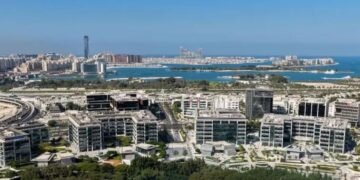

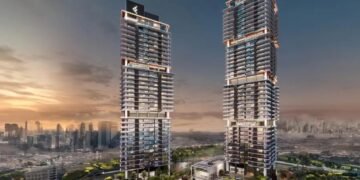
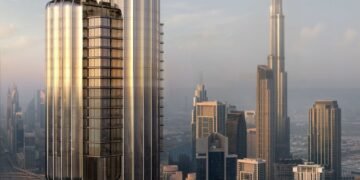
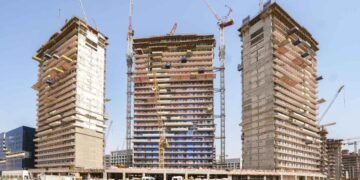




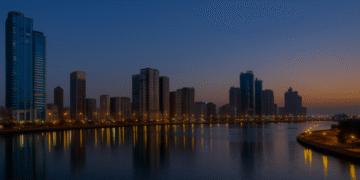
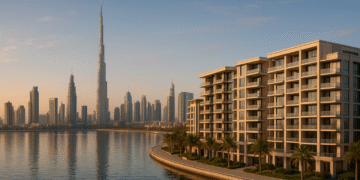
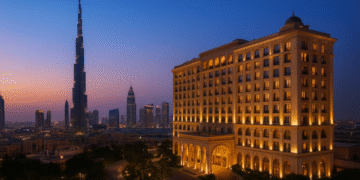
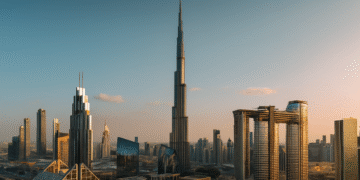


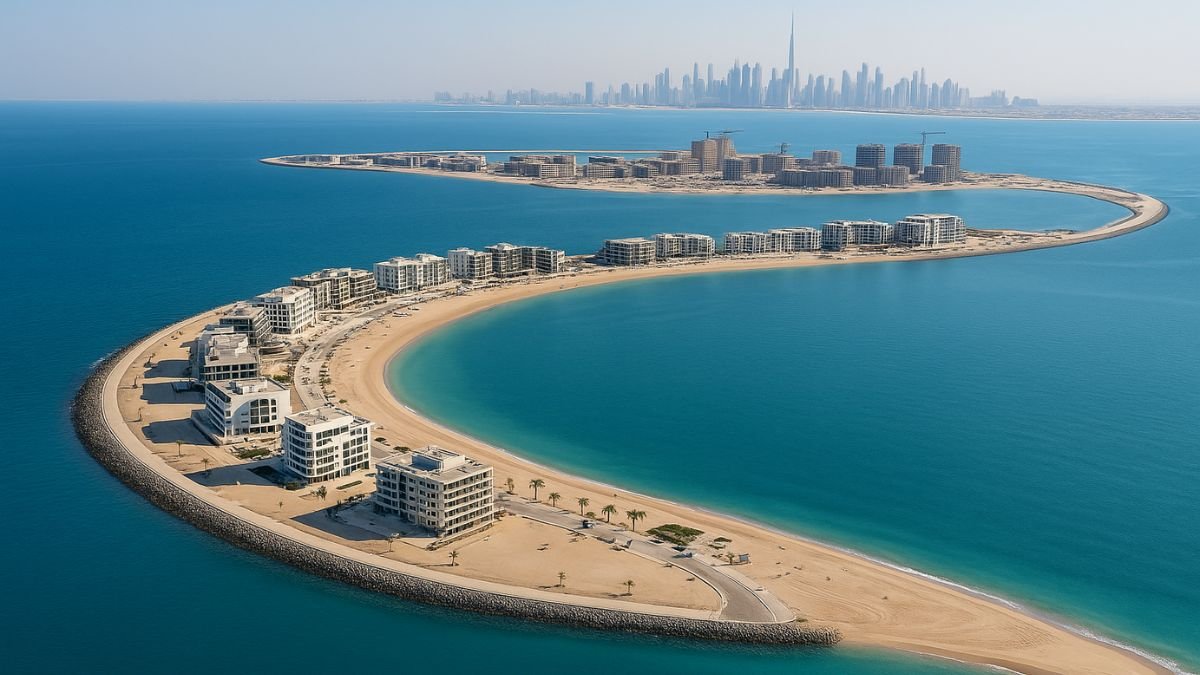
DUBAI, UAE – With prices on Palm Jumeirah and Bluewaters reaching record levels and increasingly out of reach for mid-tier investors, attention is turning to new developments such as Dubai Islands, Dubai Creek Harbour and Expo City. Analysts say these areas could be the focus of the next big property boom Dubai Islands and beyond, but caution that execution risks remain around delivery, infrastructure and demand absorption.
The question is whether these large-scale projects can replicate the returns seen in earlier years on the Palm, or whether hype will outpace fundamentals.
Dubai Islands: Ambition Meets Scale
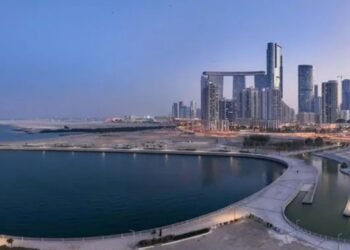
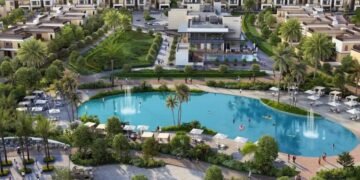
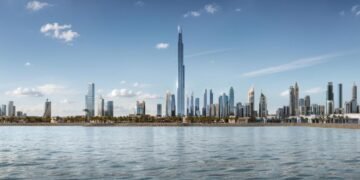
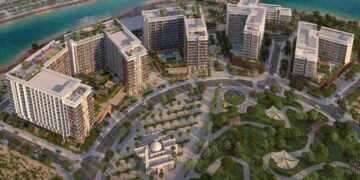
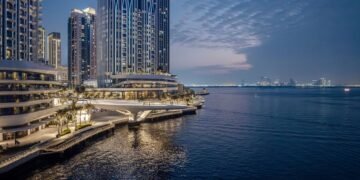
Nakheel, the master developer behind Palm Jumeirah, has repositioned its Deira Islands project as Dubai Islands, pledging more than 20 km of beachfront and space for more than 80 hotels across five interconnected islands. The goal is to create a new mixed residential, tourism and leisure hub that complements Dubai’s existing resort destinations.
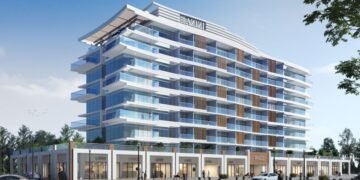
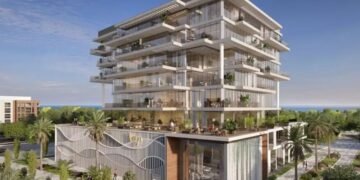
This year, CG Hospitality announced JW Marriott Residences at Dubai Islands, a 115-unit branded development scheduled for completion by early 2028. “Our upcoming development on the Dubai Islands is a milestone we are truly excited about, as it reflects and aligns with the vision of Dubai. Each step has been about raising standards and pushing boundaries, and this new project is another testament to our commitment,” said Rahul Chaudhary, Managing Director of CG Corp Global and CG Developers Global.
Analysts note that delivery timelines and hotel operator signings will be key to validating the project’s premium positioning. A legal analysis by Muhami cautioned that “projects that are eventually rejected will demand refunds … non-compliance with laws and regulations, labor shortages, and project cancellation/rescheduling … can seriously jeopardize an investor’s ability to run them successfully.”
Creek Harbour: Waterfront With Connectivity
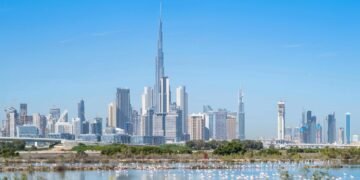
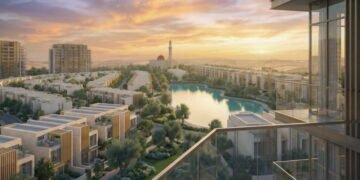
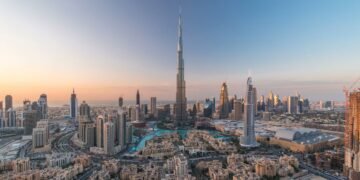
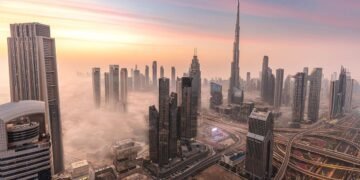
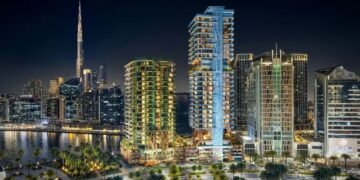
By contrast, Dubai Creek Harbour, developed by Emaar Properties, is already seeing steady handovers. The waterfront project sits near Downtown and Dubai International Airport, with strong connectivity to the city core. Units have attracted both international and domestic buyers seeking a balance of city living and waterfront lifestyle.
While the upside may not match the speculative gains of Palm Jebel Ali or Dubai Islands, analysts view Creek Harbour as a lower-risk play. “Creek Harbour combines scale with a location that is accessible and proven,” said Faisal Durrani, Partner and Head of Middle East Research at Knight Frank.
The project’s progress underscores how location and developer reputation can limit volatility in an otherwise fast-moving market.
Expo City and Dubai South: Infrastructure-Led Growth
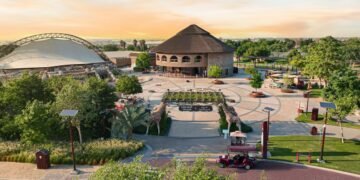
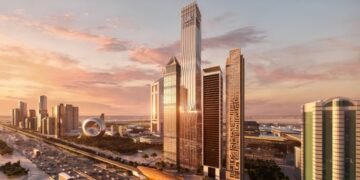
Another zone gaining traction is Expo City Dubai, which has repositioned itself as a legacy development after Expo 2020. Situated within Dubai South, the community benefits from ongoing expansion at Al Maktoum International Airport and government-backed infrastructure spending.
Cavendish Maxwell describes Expo City as “the next hotspot for long-term property investment, given its strategic positioning and infrastructure backbone.” Yields of between 5% and 7% are being cited for early buyers, according to Fäm Properties.
Here, the value proposition lies less in glamour and more in accessibility and community building. With entry prices lower than coastal hotspots, the zone could draw young professionals and families priced out elsewhere.
Palm Jebel Ali and Other Relaunches
Nakheel has also relaunched Palm Jebel Ali, originally conceived before the 2008 financial crisis but shelved for more than a decade. The revived masterplan promises marinas, villas and thousands of apartments.
The return of such a large palm-shaped project indicates developers’ confidence in sustained demand, but the long gestation period highlights the inherent risks of betting on large offshore schemes. Investors should track not just sales launches, but actual construction progress and handover schedules.
Risks and Unknowns
Despite optimism, oversupply concerns remain. Fitch Ratings recently warned that Dubai real estate prices could face a double-digit decline of up to 15% in the next two years if more than 200,000 units come to market as scheduled.
Hospitality-heavy projects such as Dubai Islands are especially vulnerable to external shocks. Insight-City notes that “the hospitality industry is highly sensitive to economic downturns and global events … reduced tourism and business travel, impacting hotel revenues.”
Practical Perspectives for Indian Investors
Indian buyers remain one of the largest investor groups in Dubai real estate, motivated by higher yields, tax efficiency and access to long-term visas.
Dubai offers a 10-year Golden Visa to property investors with qualifying investments of AED 2 million or more. This remains a significant advantage compared with London, New York or Toronto, where property ownership confers no immigration benefit.
For Indian investors, balancing ambition with prudence is essential. Entry into early phases of Dubai Islands or Palm Jebel Ali could offer capital upside if projects deliver, but Creek Harbour and Expo City may provide steadier rental yields and occupancy.
Dubai’s prime enclaves have matured, and while demand remains robust, the next big property boom Dubai Islands and its peers will depend on fundamentals rather than announcements. The pipeline is large, but so is population growth, with Dubai projected to surpass 4 million residents by 2025.
Investors weighing whether Dubai Islands will replicate Palm Jumeirah’s success face a choice between long-horizon plays with potentially higher capital gains and nearer-term bets offering rental yields and liquidity. The reality is likely a mix: some clusters may boom, while others lag.
As ever, the winners will be those who distinguish between announcement and execution.
Discover more from Invest Dubai Today - Dubai Realty Insights
Subscribe to get the latest posts sent to your email.