



























Sharjah, UAE — As Dubai’s off-plan market absorbs a growing pipeline of new supply, developers across the northern emirates are testing differentiated residential formats that lean more heavily on end-user demand, service quality, and long-term occupancy rather than rapid resale cycles. Sharjah, traditionally positioned as an affordability-driven market, is now beginning to reflect this transition at the premium end.
Alef Group’s launch of Palace Residences Al Mamsha, developed in partnership with Emaar Hospitality, marks the first entry of the Palace Residences brand into Sharjah and highlights how branded residential formats are expanding beyond Dubai’s core investment zones.
What Has Been Launched
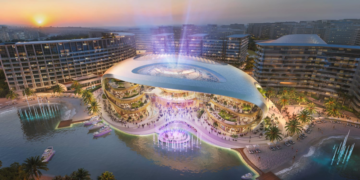
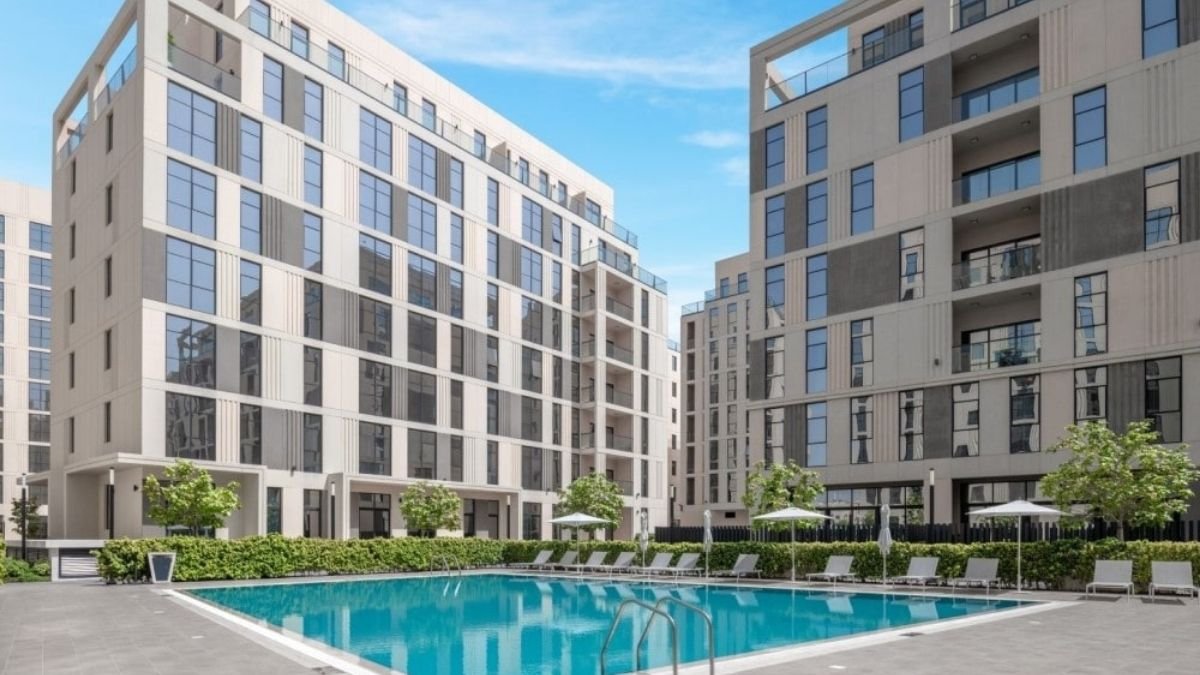
Palace Residences Al Mamsha is a branded residential development with an investment value of approximately AED 500 million, according to the developer. The project will deliver one-, two- and three-bedroom apartments within Al Mamsha, a pedestrian-oriented, mixed-use district along University City Road.
Also read: Acres 2026 signals Sharjah’s rising transaction depth
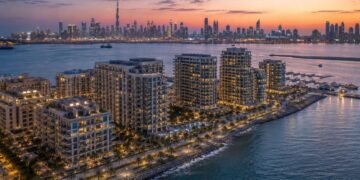
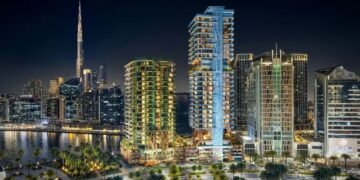
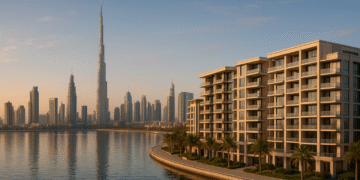
The scheme comprises two interlocking residential towers with floor-to-ceiling glazing and metal façades, forming the final residential component of the wider Al Mamsha master development. Alef Group said the project is designed to prioritise walkability, wellness, and proximity to cultural, retail and food-and-beverage destinations rather than car-dependent suburban living.
Residents will have access to hospitality-linked services under the Palace Residences brand, which is operated by Emaar Hospitality.
How This Fits Sharjah’s Residential Evolution
While Dubai continues to dominate UAE transaction volumes, Sharjah’s residential market has been steadily evolving toward longer-stay, family-oriented demand anchored by education corridors and employment stability. Market data from brokers and consultants shows Sharjah attracting buyers seeking lower entry prices, predictable rental demand, and lower volatility compared with Dubai’s investor-heavy submarkets.
Branded residences in Sharjah remain limited relative to Dubai and Abu Dhabi, making this launch notable from a supply-composition perspective rather than sheer scale. Alef Group frames the project as a response to changing buyer expectations, where service standards and operational quality increasingly influence purchasing decisions.
Raed Kajoor Al Nuaimi, CEO of Alef Group, said the collaboration reflects how branded residences are gaining traction in Sharjah, driven by demand for “quality, service-led living, and long-term value,” positioning the project as part of a broader shift rather than a standalone launch.
Positioning Within the Branded Segment
Unlike Dubai, where branded residences are often priced with a premium tied to global investor appetite and resale expectations, Sharjah’s branded offerings are more closely linked to end-user occupancy and daily livability. That distinction matters as the UAE market moves into a phase where absorption rates and tenant depth are becoming more important than headline launch velocity.
Also read: Sharjah Real Estate Transactions Hit Record AED 9.5 Billion
From the operator’s perspective, Emaar Hospitality’s entry into Sharjah through Palace Residences reflects a selective expansion strategy rather than a broad brand rollout. Nicolas Bellaton, Head of Hospitality at Emaar Hospitality, described the project as an opportunity to integrate hospitality standards into a residential environment that reflects local cultural identity while maintaining consistency in service delivery.
That positioning suggests the brand’s role here is less about short-stay tourism and more about long-term residential experience, aligning with Sharjah’s demographic profile.
Demand, Yield, and Risk
For investors, particularly those focused on rental stability rather than speculative appreciation, Sharjah offers a different risk-return profile compared with Dubai. Bayut and CBRE data indicate that average residential yields in Sharjah have remained relatively stable, supported by lower acquisition costs and sustained tenant demand from families and professionals.
However, branded residences introduce an additional cost layer through service charges, which can compress net yields if rental premiums do not scale proportionately. In a market like Sharjah, where pricing sensitivity remains higher than Dubai, this balance will be closely watched once Palace Residences Al Mamsha enters the leasing phase.
Indian and NRI investors may view the project through a long-term holding lens, particularly given Sharjah’s lower capital thresholds and proximity to Dubai employment hubs. Dirham-denominated rental income continues to offer currency stability for rupee-based investors, though liquidity at exit may be more limited than in Dubai’s prime branded districts.
Supply and Execution Considerations
While Sharjah’s overall residential supply pipeline remains smaller than Dubai’s, incremental additions in premium and branded segments raise questions around depth of demand. Execution discipline, service quality at handover, and fee transparency will play a decisive role in sustaining pricing once units are delivered.
As more branded projects emerge across the northern emirates, differentiation will increasingly depend on operational performance rather than brand name alone.
What to Watch Next
Key indicators to track include pricing at launch relative to non-branded stock in Al Mamsha, early absorption rates, and how service charges compare with comparable developments in Sharjah and Dubai. Market participants will also watch whether additional branded residential projects follow in Sharjah or remain limited to select master-planned zones.
Closing Analysis
Palace Residences Al Mamsha signals a measured shift in the Sharjah branded residences market toward service-oriented, end-user-led housing rather than speculative inventory. For investors, the appeal lies in relative affordability, stable occupancy potential, and lower volatility compared with Dubai, balanced against tighter resale liquidity and cost sensitivity. For end-users, the project expands access to branded living within a walkable urban district. Indian and NRI buyers, in particular, may see value in Sharjah’s lower entry points and currency stability, provided expectations are aligned with long-term holding rather than short-term gains.
Discover more from Invest Dubai Today - Dubai Realty Insights
Subscribe to get the latest posts sent to your email.