




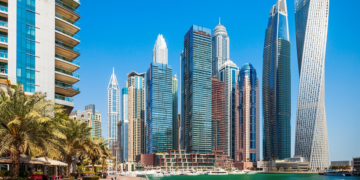








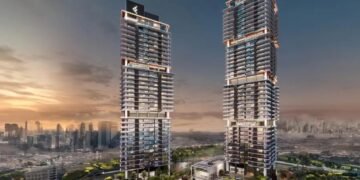















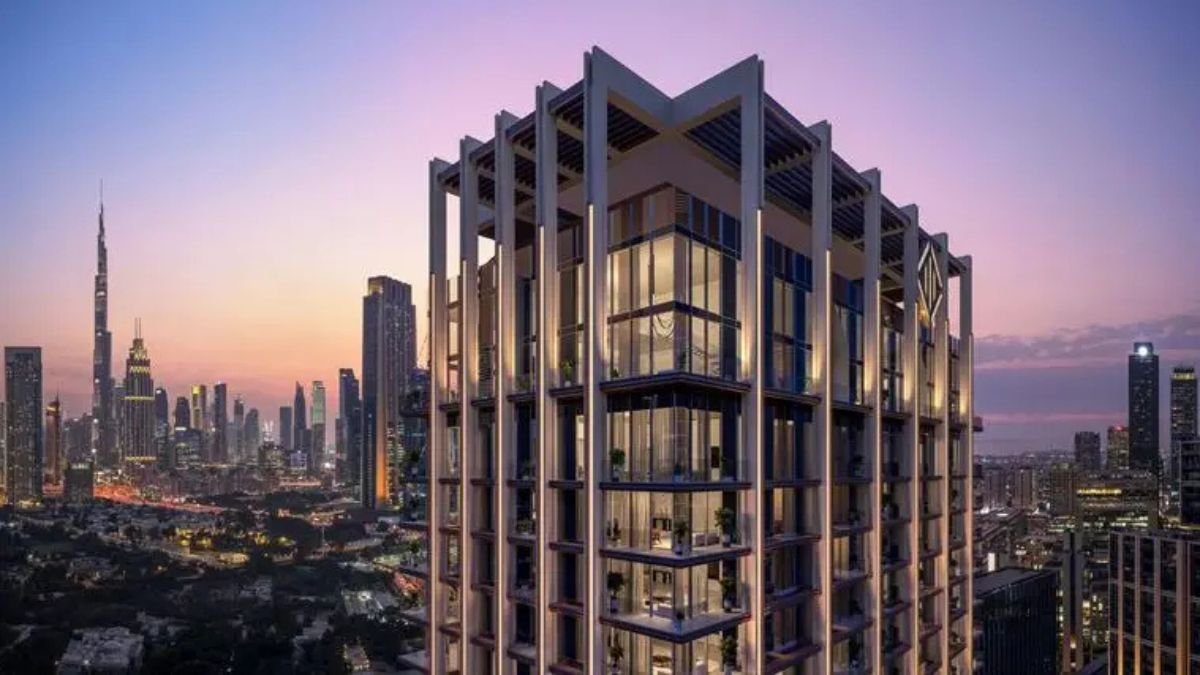
Dubai, UAE — As Dubai’s residential market continues to skew toward peripheral masterplans, new supply in central, employment-anchored districts has become increasingly scarce. Against that backdrop, the Dubai International Financial Centre (DIFC) has unveiled The Residences, the first residential development within Phase A of the newly announced DIFC Zabeel District.
The launch marks a structural shift for DIFC, which has historically functioned primarily as a commercial and financial hub, and signals a deeper move toward integrated live-work environments in the city’s core.
Residential Launch Inside DIFC Expansion
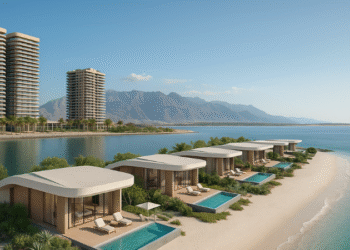
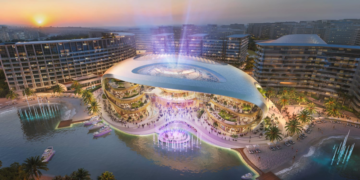
DIFC said The Residences will be the first residential project delivered within the DIFC Zabeel District, a major expansion zone positioned adjacent to the existing financial centre. The project will comprise two residential towers with a total of 463 homes and will be developed and overseen by DIFC Developments.
Also read: The Carlyle Residences Dubai Launch Brings Iconic New York Legacy to DIFC
According to the authority, the project is intended to integrate residential living with DIFC’s existing ecosystem of offices, cultural institutions and public spaces, extending the district’s role beyond a nine-to-five business environment.
Saleh Al Akrabi, Chief Real Estate Officer at DIFC Investments, said the project represents “the residential pinnacle of the DIFC Zabeel District” and reflects DIFC’s broader ambition to evolve as a place to live as well as work.
Sales for The Residences are scheduled to open on 12 February, with registrations of interest already underway.
Central Supply Remains Constrained
The announcement comes at a time when new residential supply within Dubai’s established commercial core remains limited. Most recent housing launches have been concentrated in outer districts, where land availability is greater but commute times and employment proximity are less favourable for professionals.
By contrast, DIFC-linked residential stock has historically traded at a premium due to its proximity to offices, courts, retail and cultural venues, as well as limited competing supply. The introduction of new homes within the Zabeel District therefore represents a rare addition to central inventory rather than incremental sprawl.
Market data from brokers and listing platforms consistently shows that central locations with embedded employment demand tend to experience stronger leasing depth and lower vacancy volatility than peripheral submarkets, particularly during periods of supply expansion.
Zabeel District by the Numbers
The DIFC Zabeel District spans approximately 7.1 million square feet, with a total gross floor area of 17.7 million square feet. DIFC has said the wider district carries an estimated gross development value exceeding AED 100 billion, making it the largest demand-led expansion of a financial centre in the region.
Also read: Holm Launches Linea as Central Dubai Demand Tightens Supply
The development is also aligned with future transport infrastructure, including planned connectivity to the Dubai Loop, alongside direct access to major arterial roads. This positioning reinforces the district’s role as a central connector between DIFC, Downtown Dubai and the wider urban grid.
Investor Lens: Demand and Liquidity
For investors, the launch presents exposure to a highly controlled supply environment rather than a volume-led residential corridor. Central developments anchored by employment hubs typically benefit from resilient end-user demand, particularly from professionals seeking proximity to work and lifestyle amenities.
However, pricing sensitivity will be a key factor. DIFC-linked residential assets historically command higher entry prices and service charges, which can narrow yield spreads compared to mid-market districts. Liquidity tends to favour longer holding periods rather than short-term resale, especially in institutional-grade developments.
With sales opening in February, early buyer response will offer insight into how much depth exists for premium central living amid a broader pipeline of off-plan launches across the city.
Execution and Phasing Risk
While centrality is a structural advantage, execution timing remains relevant. The Zabeel District is a multi-phase expansion, and full neighbourhood activation will depend on the coordinated delivery of infrastructure, commercial assets and public realm components.
Any slippage in broader district phasing could affect early residents’ experience, particularly in the initial years post-handover. As with all large-scale urban expansions, the sequencing of delivery will matter as much as the individual buildings themselves.
Early Sales and Absorption Signals
Key indicators to monitor include the pace of registrations and early sales absorption once bookings open, as well as clarity on unit mix, pricing bands and anticipated handover timelines.
More broadly, the launch will be watched as a test case for whether Dubai’s next phase of residential demand shifts back toward integrated, employment-anchored districts rather than continuing outward expansion.
Discover more from Invest Dubai Today - Dubai Realty Insights
Subscribe to get the latest posts sent to your email.