

























Dubai, UAE – The UAE’s real estate sector maintained strong momentum in the second quarter of 2025, underpinned by robust demand and proactive government initiatives, according to Colliers.
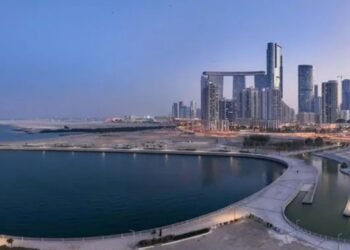
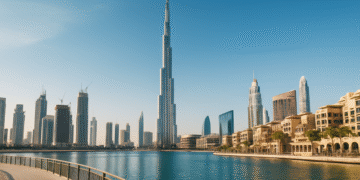
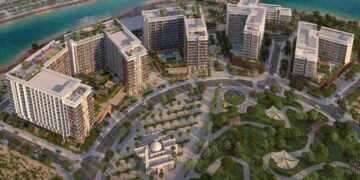
In its Q2 real estate market report, Colliers said Abu Dhabi was well-positioned for continued growth with new project launches and stronger developer activity, while Dubai is experiencing unprecedented levels of development across residential and office segments.
Abu Dhabi Sees Strongest Performance Since 2009
Colliers noted that Abu Dhabi’s property market is showing its most resilient performance since the global financial crisis. Around 3,250 residential units were delivered in Q2, with a further 2,150 expected before year-end in key investment zones such as Yas Island, Masdar City, Saadiyat Island and Jubail Island.
New launches including Brabus Island by Reportage and Bulgari Resort and Mansions highlighted rising confidence. The National Housing initiative approved 14 projects expected to deliver 26,000 residential units over the next decade.
Also read: Svarn Development Launches Sereno Residences at JVC, Fully Sold Out
Apartment rental rates rose 6% quarter-on-quarter and 13% year-on-year, with mid- and low-end segments recording annual growth of 15–25%. Villas also saw steady increases of up to 15% annually.
Sales activity remained strong, with more than 2,000 completed-unit transactions, a 46% jump from Q1. Ready sales made up 70% of the market, while off-plan deals surged 53%. Apartment sales prices climbed 8% quarterly and 25% annually, with premium communities seeing gains above 35%.
Dubai Development at Record Pace
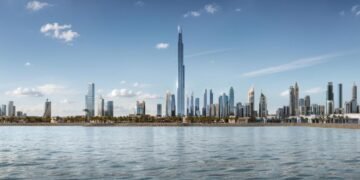
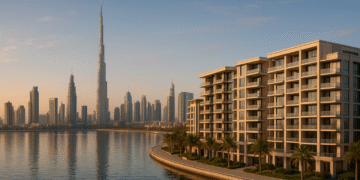
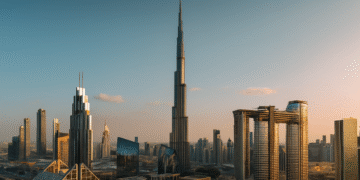
Dubai recorded the handover of 12,500 units in Q2, including nearly 3,900 villas, up 40% from the previous quarter. More than 60,000 units were announced across 200 developments, highlighting unprecedented developer activity.
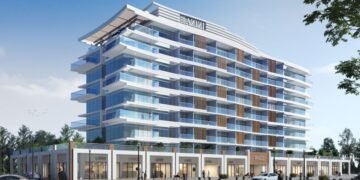
Rental growth moderated, with apartments rising 1% and villas 2% on a quarterly basis, led by luxury supply in Jumeirah Village Circle (JVC) and Arjan. Lease activity showed marginal year-on-year gains as more tenants shifted to homeownership.
Also read: Waldorf Astoria Debuts First Branded Residences in Ras Al Khaimah
Sales prices rose 3% on average, driven largely by off-plan launches. The government’s First-Time Home Buyer Programme, launched in July, aims to support ownership among UAE residents with discounts of up to 10% on new units priced below AED 5 million, mortgage support and phased Dubai Land Department fee payments.
Colliers said the programme reflects a maturing shift towards end-user demand, with major developers and banks already on board.
The office sector also showed strength with new projects such as Lumena by Omniyat and Uptown Dubai Phase 2.
Northern Emirates and Al Ain Stable
The Northern Emirates saw about 8,000 new units launched in Q2. Rental rates rose by 3% quarter-on-quarter and 12% year-on-year, led by Ras Al Khaimah with a 5% quarterly jump. Apartment sales in the emirate rose 18% annually, while Sharjah recorded an 11% increase.
Al Ain’s market remained stable, with steady residential rentals and improving retail and office fundamentals. Apartment rents were up as much as 10% year-on-year, while villa rentals rose 4%.
What This Means for Indian Investors
Analysts say the Colliers UAE real estate market report offers positive signals for Indian investors looking at Dubai and Abu Dhabi. Affordable mid-segment housing in JVC and Arjan is attracting expatriate buyers, while Abu Dhabi’s steady rental growth ensures healthy yields.
For Indian investors diversifying from domestic real estate, the UAE market provides a hedge against volatility, supported by long-term infrastructure plans and government-backed initiatives to promote ownership.
Discover more from Invest Dubai Today - Dubai Realty Insights
Subscribe to get the latest posts sent to your email.