




















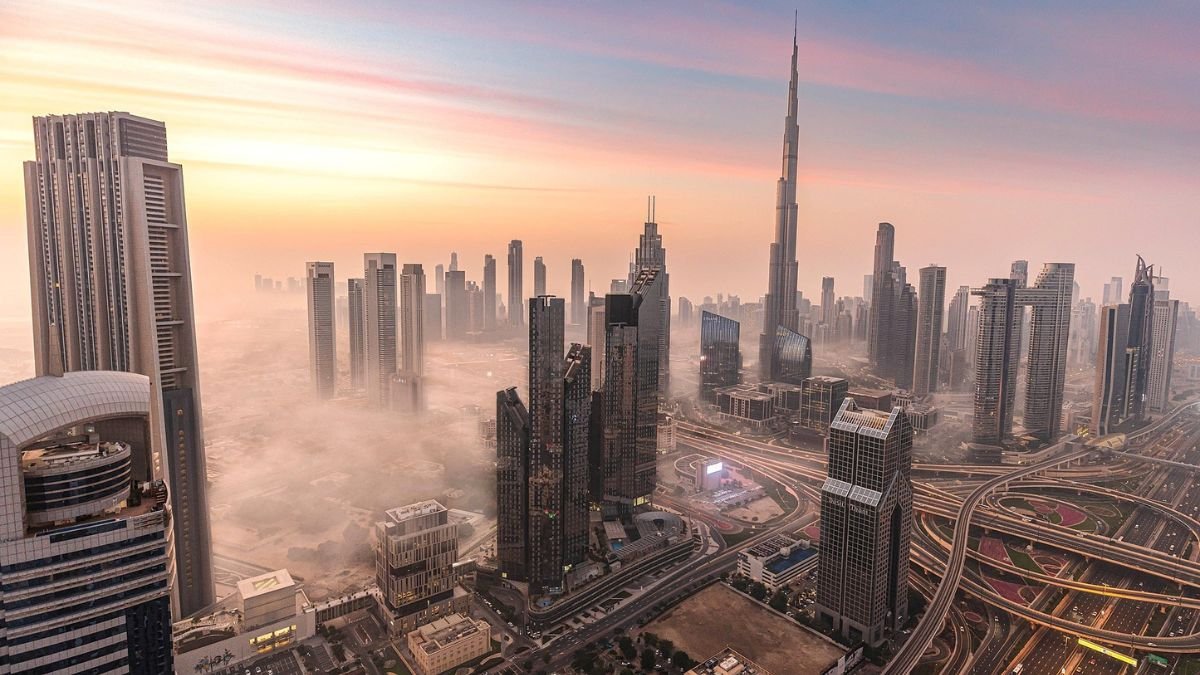
Dubai, UAE — Dubai’s residential market is entering 2026 with momentum driven less by transaction churn and more by pricing power, as value growth outpaced volumes through the final quarter of 2025. Data released by Property Finder shows that rising prices per square foot, combined with concentrated demand for apartments and smaller unit sizes, underpinned a record close to the year—signalling a market that is broadening in depth rather than overheating.
Price Growth, Not Volume, Defined 2025’s Finish
Dubai’s property market closed the fourth quarter of 2025 with total sales of AED 187.47 billion, the highest quarterly performance on record, according to Property Finder. December alone accounted for AED 64 billion in transactions, matching November’s level and extending the momentum that began in October.
More notably for investors, price growth outpaced volume growth over the year. Median prices per square foot rose by 8.4% in 2025 compared to 2024 levels, indicating that buyers were willing to absorb higher entry prices rather than simply increasing transaction counts. This dynamic points to a demand-led cycle where pricing resilience, rather than speculative turnover, is doing most of the work.
Premium Districts Retain Pricing Power
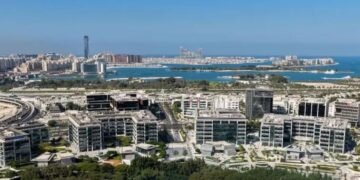
Transaction value in December remained concentrated in established prime corridors, including Palm Jumeirah, Dubai Marina and Downtown Dubai. Property Finder attributed this to a combination of limited supply, international buyer demand and sustained interest in well-located, finished stock.
Also read: Buyer Intent in UAE Property Market Remains Strong, Says Property Finder
These districts continue to function as price anchors for the wider market. Their performance suggests that even as supply expands elsewhere, top-tier locations retain liquidity and pricing discipline—an important stabiliser as Dubai moves deeper into a higher-supply phase in the coming years.
Projects that Absorb Investor Demand
Beyond traditional prime areas, mixed-use districts such as Business Bay continued to attract investor interest, supported by scale, centrality and amenity depth. Meanwhile, master-planned communities like Dubai Hills Estate saw balanced demand across villas and apartments, reflecting both end-user appeal and longer-term holding strategies.
At the other end of the spectrum, mid-market communities such as Jumeirah Village Circle remained active, particularly in the off-plan segment, as buyers sought affordability and flexible payment structures amid rising prices elsewhere.
Apartment Searches Signal Demand Compression
Search data from Property Finder reveals a clear structural shift in both rental and sales demand toward apartments. In the rental market, apartments accounted for 80% of searches in 2025, compared with 20% for villas and townhouses.
Also read: Dubai Property Boom Broadens Beyond the Wealthy
Within that demand, studios and one-bedroom units saw increased year-on-year interest, suggesting that rent increases during the year pushed individuals and smaller households toward more compact, affordable accommodation. This compression effect indicates that affordability pressures are reshaping demand patterns without undermining overall market activity.
Smaller Units Dominate Buyer Interest
The same trend is evident on the sales side. Apartments represented 61% of buyer searches in 2025, versus 39% focused on villas. Of these apartment searches, 85% were concentrated on studio, one-bedroom and two-bedroom units.
This preference reinforces the view that Dubai’s current cycle is being driven by income-linked demand rather than speculative accumulation. Smaller units offer lower ticket sizes, stronger rental absorption and greater liquidity—qualities that tend to support market stability during periods of rising supply.
Market Confidence Anchored In Depth, Not Speculation
Commenting on the data, Cherif Sleiman, Chief Revenue Officer at Property Finder, said the Q4 performance confirmed that Dubai’s real estate momentum is structural rather than speculative. He noted that rising prices per square foot and broad participation across communities allowed the market to enter 2026 with confidence rooted in depth and diversity.
While pricing resilience is positive, the concentration of demand into smaller apartments also highlights a constraint: affordability is becoming a more decisive factor for both renters and buyers. This dynamic will shape absorption patterns as new supply comes to market.
What This Means For Investors And End-Users
For investors, the 2025 close reinforces the case for disciplined asset selection. Price-led growth favours well-located apartments with strong rental appeal, particularly in established or mixed-use districts where demand remains consistent across cycles.
Also read: UAE Property Market Buyer Sentiment 2025 Remains Strong
End-users, meanwhile, are adapting to higher price points by prioritising size efficiency and value rather than upgrading to larger formats. This behaviour supports occupancy and rental stability but may limit upside for larger units outside premium zones.
For Indian and NRI buyers, the data underscores Dubai’s positioning as a mature market where returns are increasingly driven by yield logic and location quality rather than rapid price acceleration. With apartments dominating both sales and rental demand, smaller units in liquid districts may continue to offer more predictable outcomes than higher-ticket alternatives.
Discover more from Invest Dubai Today - Dubai Realty Insights
Subscribe to get the latest posts sent to your email.