





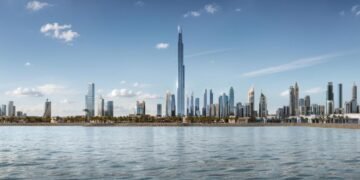
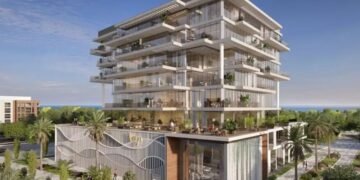
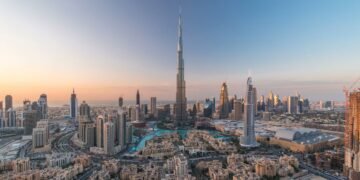


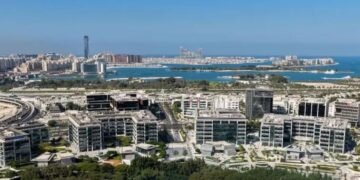



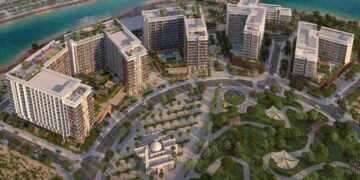
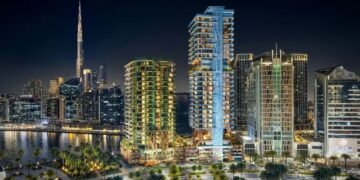








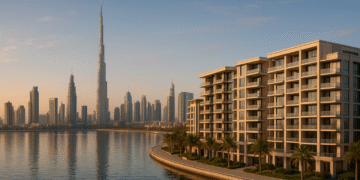
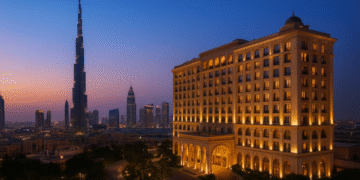



Dubai, UAE — Dubai’s residential market closed 2025 with record transaction value, but the more significant signal for investors lies in how that activity was distributed. Rather than being driven by a narrow luxury surge or short-term speculation, market liquidity concentrated in mid-priced, investable housing, reinforcing signs of Dubai residential market maturity as the city enters 2026.
According to a full-year residential market report by Betterhomes, total home sales reached AED 547 billion in 2025, up 28% year-on-year, across approximately 203,000 transactions. Transaction volumes rose 20%, indicating that price growth was accompanied by depth of participation rather than a sharp contraction in affordability.
Where Transactions Were Concentrated
Liquidity remained anchored in smaller, more tradable units. Studios and one- to two-bedroom apartments accounted for 77% of transactions, while 72% of all deals fell within the AED 500,000 to AED 3 million range, according to the report. This distribution highlights continued demand for housing segments that support both end-user occupancy and resale velocity.
Also read: Off-Plan vs Ready Properties in Dubai: What Works Best for Indian Buyers?
Betterhomes noted that this pattern reinforces Dubai residential market maturity, where price discovery is increasingly shaped by absorption capacity rather than launch-driven momentum.
Off-Plan Dominance Meets Absorption Capacity
Off-plan transactions accounted for 65% of total deals and 53% of transaction value during the year, driven largely by apartment launches. Apartment sales reached AED 325 billion, up 29% year-on-year, while villas and townhouses contributed AED 221 billion, reflecting 26% growth.
Despite a rapidly expanding development pipeline, average sale prices rose 12% to AED 1,673 per square foot. Market data shows this outcome suggests the market absorbed new supply without widespread price erosion, an outcome typically associated with more advanced housing cycles.
Louis Harding, CEO of Betterhomes, described 2025 as a year defined by the quality of growth rather than speed, noting that economic expansion, low inflation and population growth reinforced one another to support sustained real estate activity. He added that liquidity remained repeatable and broad-based rather than speculative.
Economic Backdrop Supports Residential Stability
Dubai’s residential performance was underpinned by wider macroeconomic conditions. UAE real GDP expanded 3.9% year-on-year in the first quarter and 4.5% in the second quarter of 2025, while inflation remained contained at around 1.3%, according to government data cited in the report.
Also read: Legal Checklist for Indian Citizens Buying Real Estate in Dubai: An In-Depth Guide for 2025
Growth is forecast to exceed 5% in 2026, creating a supportive environment for housing demand as population growth and employment formation continue to feed into the rental and ownership markets.
Leasing Activity Reflects End-User Demand
Leasing activity strengthened alongside sales. Betterhomes reported that leasing transactions rose more than 60% year-on-year in 2025, supported by family-led demand rather than rental speculation. Despite higher volumes, average annual rents held steady at around AED 207,000.
Rupert Simmonds, Director of Leasing at Betterhomes, said the rise in leasing activity reflected households making deliberate housing decisions rather than reacting to price volatility, reinforcing the view that demand is increasingly driven by long-term residency patterns.
Buyer Mix and Financing Trends Shift
Buyer demand rose 33% year-on-year, while mortgages accounted for 52% of transactions, overtaking cash purchases for the first time in several years. Investors remained the majority at 57% of buyers for a fourth consecutive year, but the growing share of financed purchases suggests greater participation by resident end-users.
Also read: Dubai Off-Plan Property Market 2025: Record Sales, Supply Risks Ahead
Indian and UK nationals continued to lead foreign buyer activity, reflecting Dubai’s position as both a lifestyle destination and a capital preservation market for overseas investors.
At the top end, Dubai’s prime residential segment also deepened. Average selling prices in the luxury segment rose 26% year-on-year to approximately AED 30 million, although this growth occurred alongside, rather than instead of, activity in the mid-market.
Risks as Supply Builds
While 2025 closed with strong fundamentals, supply remains a key variable for the next phase of the cycle. A large volume of off-plan projects launched in recent years is scheduled for delivery through 2026 and beyond. Although historical delays often stagger handovers, concentrated completions could test absorption, particularly in investor-heavy apartment submarkets.
The ability of the Dubai residential market maturity phase to hold will depend on execution discipline, job creation, and the depth of end-user demand rather than continued reliance on off-plan momentum.
What to Watch in 2026
Key indicators to monitor include off-plan-to-ready price gaps, mortgage participation rates, and leasing absorption as new stock completes. Any policy changes related to residency pathways or lending conditions could also influence buyer composition, particularly among Indian and NRI investors.
Dubai’s 2025 residential performance marks a transition toward a more structurally balanced housing market. For investors, the data points to continued liquidity in mid-priced, income-generating stock rather than reliance on rapid capital appreciation. End-users benefit from stable pricing and greater choice as supply expands. For Indian and NRI buyers, currency stability, financing access, and broad-based demand reinforce Dubai’s role as a long-term residential and investment market, provided entry decisions account for delivery risk and submarket selection.
Discover more from Invest Dubai Today - Dubai Realty Insights
Subscribe to get the latest posts sent to your email.