


































Dubai, UAE — Dubai’s Jumeirah Village Circle continues to attract new residential inventory even as buyer behaviour in the district shifts toward layout efficiency and execution certainty over scale. The launch of The Hudson by Crystal Prime Real Estate Development adds 96 units to the area’s mid-market pipeline at a time when supply discipline and delivery credibility are becoming central to investor decision-making.
The project positions itself as a low-density addition within a community known for high-volume apartment launches and steady rental demand.
Low-Density Strategy in a High-Supply District
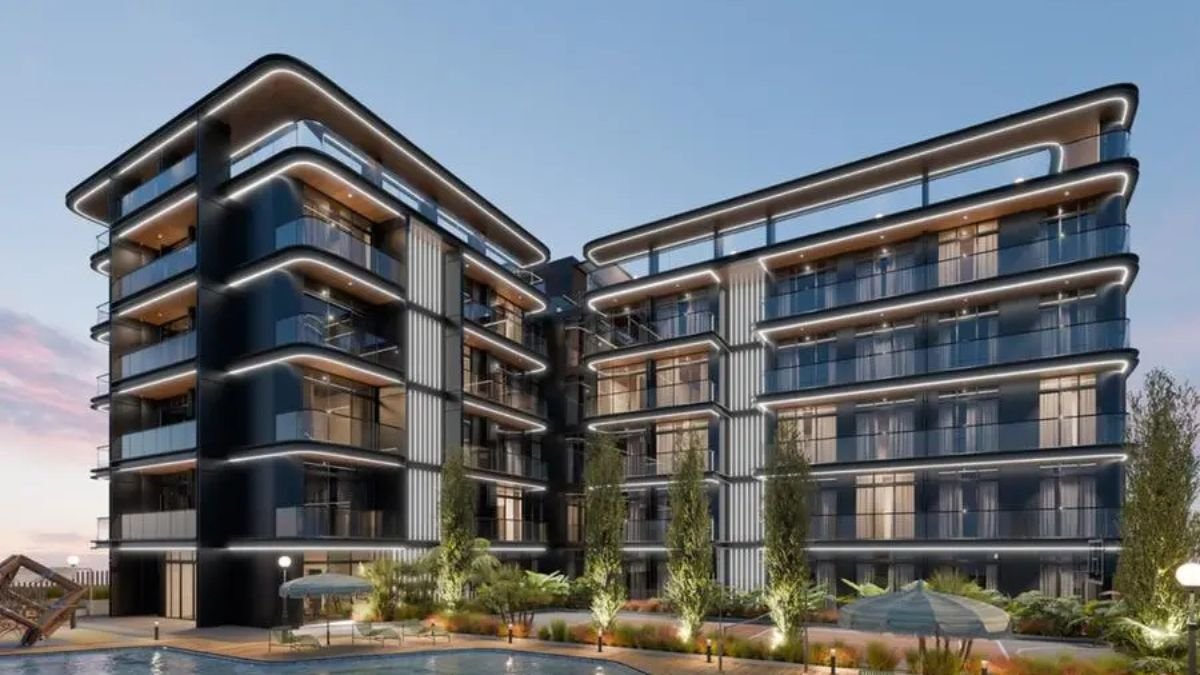
The Hudson comprises 96 units, including studios, one-bedroom residences in multiple configurations, and a single three-bedroom master residence. Located within JVC, the development offers direct access to Al Khail Road and is positioned within 15–20 minutes of Downtown Dubai, DIFC, Dubai Marina and Dubai International Airport, according to the developer.
In a district where scale often drives project economics, Crystal Prime has opted for a deliberately limited unit count. Mustafa Gandhi, speaking at the launch event, said the emphasis was on usability rather than density.
Also read: Serenz by Danube Launch Adds to JVC Off-Plan Apartment Supply
“Rather than maximising count, the emphasis is on maximising usability. Each home is planned around clean circulation and functional proportions – no wasted corridors, no compromised corners, and no design decisions made solely to push density,” he stated.
JVC has historically attracted a mix of end users and yield-focused investors. Market data from DXB Interact shows the district remains one of Dubai’s most transacted apartment communities, supported by relative affordability and consistent leasing depth. However, continued supply additions have intensified competition among developers.
Layout Efficiency and Interior Positioning
Unit configurations include 34 studios, multiple one-bedroom formats with varying bath layouts and study options, and one three-bedroom residence. Sizes and planning reflect what the developer describes as a practical orientation toward everyday use.
“Where The Hudson differentiates itself is in the interior philosophy – a moodboard that leans into quiet confidence: architectural whites, warm neutrals, textural contrast, and enduring materials chosen for longevity rather than trend,” Gandhi said.
While interior detailing is positioned as a point of distinction, investor focus in JVC typically centres on rental performance, service charge levels and long-term resale liquidity. In mature mid-market locations, layout efficiency and operational cost control can influence both tenant retention and yield stability.
Amenities include a 28-metre swimming pool, fitness centre, steam room, multipurpose basketball and pickleball courts, landscaped lounges and barbecue zones. The development also incorporates multi-level parking, EV charging provisions and smart-home compatibility.
“Smart infrastructure supports daily convenience through multi-level parking designed to reduce congestion, EV charging provisions, three high-speed elevators, chiller-free efficiency, and smart-home compatibility – positioning technology as a quiet enhancer, not a complication,” Gandhi added.
Mid-Market Demand Context
JVC remains a key mid-market residential corridor in Dubai, offering price points below neighbouring districts such as Dubai Marina and Downtown while maintaining city connectivity. According to market reports from Bayut and CBRE, apartment rental yields in JVC typically range between 6% and 8%, depending on configuration and handover timing.
Also read: Groundbreaking in JVC Signals Execution-Led Phase for Mid-Market Housing
However, sustained launch activity across the community has increased supply visibility through 2027–2028. Smaller developers entering the market face heightened scrutiny around delivery track record, construction mobilisation and post-handover service standards.
Crystal Prime’s decision to limit unit count may appeal to end users seeking lower density living within an established neighbourhood. For investors, the key variables will include pricing discipline relative to comparable projects and absorption velocity beyond initial launch events.
Execution and Timing Considerations
The developer has framed the project as a controlled-scale addition rather than a volume-driven release. While nearly all JVC launches have benefited from strong early-stage booking momentum in recent cycles, longer-term performance depends on construction progress and broader supply absorption.
As Dubai’s apartment pipeline continues to expand, buyer selection criteria have evolved toward layout practicality, location connectivity and cost transparency. In this context, boutique developments must demonstrate execution reliability alongside design positioning.
For Indian and NRI investors, JVC remains a familiar entry point due to ticket size accessibility and leasing depth. Currency dynamics between INR and AED, along with payment plan structures, often influence entry timing. However, as supply expands, exit liquidity and resale competitiveness will depend increasingly on micro-location and project differentiation.
What to Watch
Market observers will monitor construction mobilisation timelines, pricing relative to neighbouring launches, and leasing absorption trends across JVC through 2027. As density fatigue becomes a discussion point in several mid-market clusters, low-unit-count projects will test whether scale restraint translates into measurable pricing resilience.
The Hudson enters a district that continues to generate transactions, but where investor selectivity is rising.
Discover more from Invest Dubai Today - Dubai Realty Insights
Subscribe to get the latest posts sent to your email.