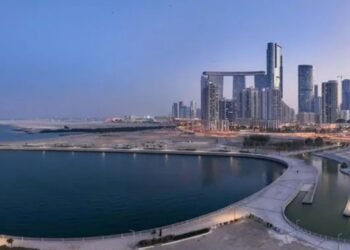



























Abu Dhabi, UAE — Abu Dhabi’s residential market is entering a phase where land positioning and execution visibility matter more than launch velocity, particularly in waterfront districts prioritising end-user stability over speculative turnover. Against this backdrop, developer Object 1 has closed a sizeable land acquisition on Al Reem Island, signalling a long-horizon bet on Abu Dhabi family-led waterfront housing rather than short-cycle sales activity.
The transaction reflects a broader shift in developer behaviour across the UAE capital, where capital deployment is increasingly aligned with family occupancy, phased delivery, and planning certainty rather than rapid off-plan churn.
What Happened
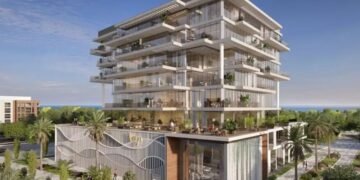
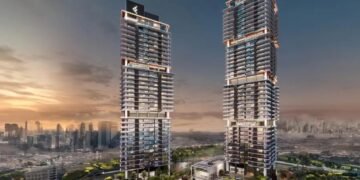
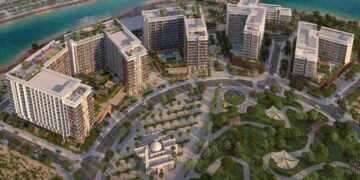
Object 1 has acquired four waterfront plots within the Shams Gate District on Al Reem Island, with a combined development area exceeding 2 million square feet and a projected total sales value of AED 4.5 billion, according to the company.
Also read: Abu Dhabi Branded Residences Add Depth to Al Reem Island Supply
The acquisition follows the developer’s formal entry into Abu Dhabi in late 2025, which included the opening of its first sales gallery in the capital. The Al Reem Island purchase represents the company’s most significant capital commitment in Abu Dhabi to date and anchors its expansion strategy around Abu Dhabi family-led waterfront housing rather than opportunistic site launches.
Why Al Reem Island Matters Now
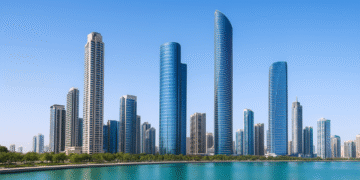
Al Reem Island has evolved from an early-cycle investor district into one of Abu Dhabi’s most liquid residential zones, supported by proximity to Reem Mall, Cleveland Clinic Abu Dhabi, Sorbonne University Abu Dhabi, and established employment clusters. Over recent years, absorption has increasingly been driven by end-users and long-term residents rather than speculative buyers, particularly in waterfront-facing communities.
Market data shows that waterfront plots within Shams Gate are among the most tightly controlled land parcels in Abu Dhabi, with limited scope for over-densification. This makes the area structurally suited to Abu Dhabi family-led waterfront housing, where community scale, services, and long-term liveability take precedence over unit turnover.
Abu Dhabi’s Different Residential Cycle
Unlike Dubai’s faster off-plan cycle, Abu Dhabi’s residential market tends to reward patience and execution discipline. New supply enters the market at a measured pace, with longer development timelines and a higher proportion of owner-occupiers.
Developers deploying capital into Abu Dhabi family-led waterfront housing are effectively committing to a multi-year delivery curve, where returns are shaped by sustained leasing depth and gradual capital appreciation rather than early-stage price spikes. This environment favours developers with balance-sheet capacity and planning clarity, rather than those reliant on rapid presales.
Capital Allocation Over Launch Velocity
The scale of Object 1’s land purchase suggests a phased development approach rather than a single-product release. Waterfront developments of this size typically unfold across multiple phases over several years, allowing supply to be aligned with real demand rather than front-loaded into the market.
Also read: Radisson Residences Al Reem Island Phase 1 Sells Out in 24 Hours
Commenting on the acquisition, Egor Maslennikov, Chairman and Founder of Object 1, said the move reflects a deliberate long-term commitment to the capital rather than a transactional expansion. He noted that the decision to invest on Al Reem Island aligns with Abu Dhabi’s planning clarity and emphasis on community-led residential development.
His remarks underline how Abu Dhabi family-led waterfront housing is increasingly viewed as an institutional-style asset class, where planning alignment and demographic stability are as important as location.
For investors, Abu Dhabi family-led waterfront housing tends to attract a different buyer profile than Dubai’s high-churn off-plan segments. Demand is often anchored by families, professionals, and long-term residents seeking stability, which supports rental continuity and reduces vacancy volatility.
Indian and NRI investors, in particular, often view Abu Dhabi as a lower-volatility counterpart to Dubai, favouring yield stability and regulatory predictability over short-term appreciation cycles. However, this also implies longer holding periods and less liquidity compared to Dubai’s prime districts.
Policy Alignment and Family-Led Planning
The land acquisition also aligns with Abu Dhabi’s broader focus on family-oriented housing under the National Family Growth Agenda 2031. With 2026 designated as the Year of Family, authorities have emphasised residential environments that support long-term settlement, multi-generational living, and access to education, healthcare, and open spaces.
Waterfront plots in Shams Gate are particularly suited to this approach, offering scale and amenity potential that supports Abu Dhabi family-led waterfront housing rather than transient occupancy.
Risk and Constraints to Watch
While the acquisition strengthens Object 1’s long-term positioning, waterfront developments in Abu Dhabi come with inherent constraints. Capital requirements are high, execution timelines are longer than in Dubai, and absorption is closely tied to end-user demand rather than investor sentiment.
Also read: Al Reem Island Abu Dhabi Property Investment Surges with 38% Q2 Gains
Pricing pressure can also emerge if multiple developers bring family-oriented supply to market simultaneously. Investors tracking Abu Dhabi family-led waterfront housing should therefore monitor phasing discipline, construction progress, and leasing depth as projects advance.
What to Watch Next
The next critical signal will be how Object 1 sequences development across the four plots, including density decisions, unit mix, and delivery timelines. Market participants will also watch whether additional developers follow suit with similar long-term land banking moves on Al Reem Island, further reinforcing the district’s role as a core family-led waterfront corridor.
For investors, this transaction underscores a shift toward capital preservation and income stability within Abu Dhabi family-led waterfront housing, rather than speculative upside. End-users stand to benefit from more thoughtfully phased communities designed for long-term living rather than quick exits. For Indian and NRI buyers, the move reinforces Abu Dhabi’s positioning as a lower-volatility residential market, where returns are shaped by durability, planning clarity, and sustained occupancy rather than rapid price acceleration.
Discover more from Invest Dubai Today - Dubai Realty Insights
Subscribe to get the latest posts sent to your email.