





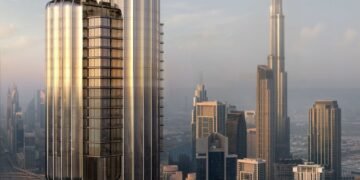
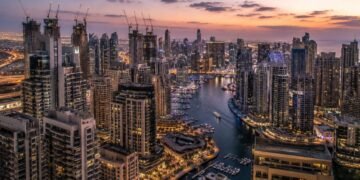

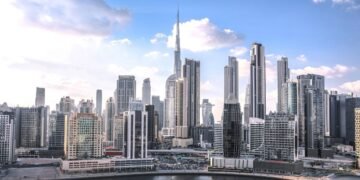





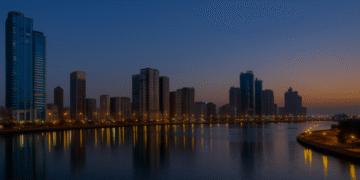
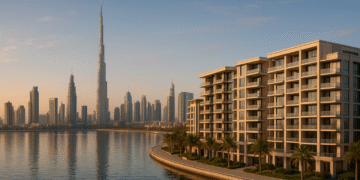
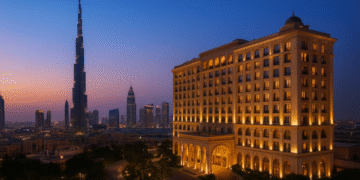
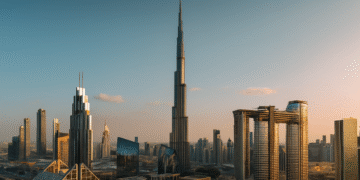


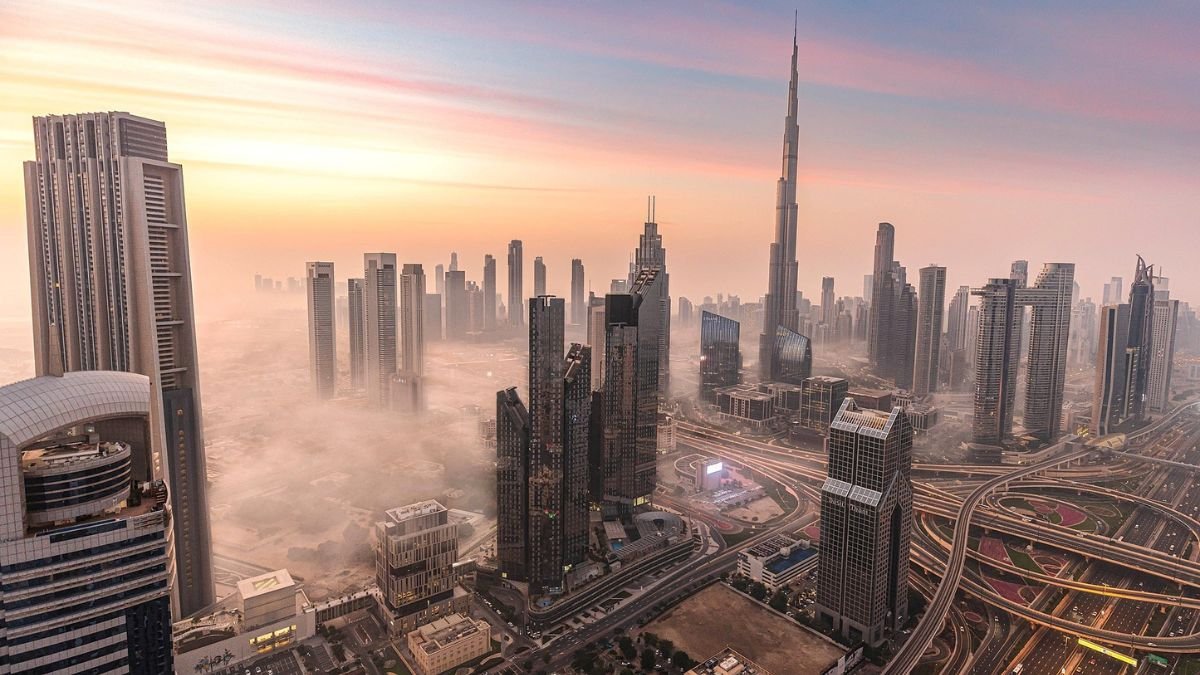
Dubai, UAE — Dubai’s residential market has entered a phase where off-plan launches dominate transaction activity, with off-plan deals accounting for about 71% of transactions and 72% of total sales value in Q3 2024, according to Knight Frank’s Dubai Residential Market Review.
Within this cycle, mixed-use districts near the city’s core have emerged as relative outperformers, supported by investor demand for long-term capital appreciation and rental differentiation.
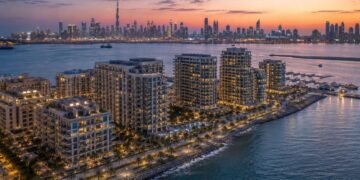
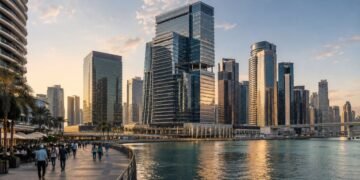
Against this backdrop, the expanded Dubai Design District masterplan extends the city’s established creative hub into a larger canal-front residential and cultural neighbourhood between Downtown Dubai and Dubai Creek, adding new mid- to upper-income housing supply to one of Dubai’s most central submarkets, according to the company announcement and regional business coverage.
What Meraas Announced at Dubai Design District
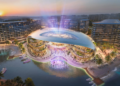
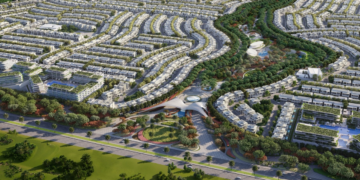
Meraas, part of Dubai Holding Real Estate, has unveiled an expanded residential masterplan for Dubai Design District spanning about 18 million square feet of land.
Also read: South Bay Mall Boosts Dubai South Residential District Retail Hub
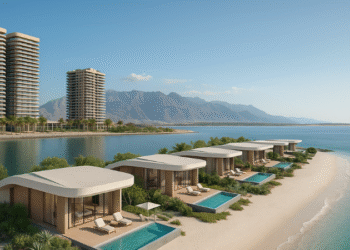
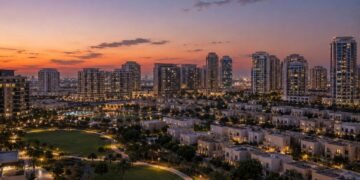
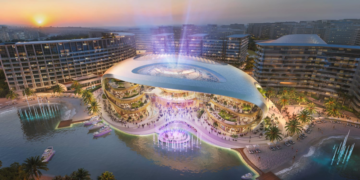
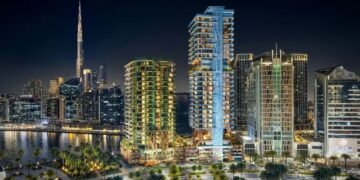
The developer said the Dubai Design District masterplan will introduce canal-front residences, cultural quarters, public green spaces and walkable streets, integrating residential, retail, hospitality and cultural uses within a single district.
A central element is the “Design Line”, described as a shaded, pedestrian-first spine activated by public art, creative installations, community spaces and landscaped corridors connecting the neighbourhood.
Sustainability and Urban Planning Context
According to Meraas, the Dubai Design District masterplan is targeting LEED Silver community certification, incorporating sustainable mobility, enhanced connectivity and visual links to Dubai Creek and the nearby Ras Al Khor Wildlife Sanctuary.
Also read: Meraas The Edit at d3 Apartments Launches in Expanding Dubai Design District
The planning approach aligns with the Dubai Economic Agenda D33, which prioritises talent attraction, innovation and long-term economic diversification.
Off-Plan Momentum, Supply Pipelines and Rental Logic
Dubai’s shift toward off-plan stock has been pronounced. Knight Frank data shows off-plan sales accounted for more than 60% of transaction value in 2023–2024, driven by a surge in new launches and investor appetite for phased payment plans.
At the same time, analysts have flagged that rising delivery volumes from 2026 onward could test absorption, particularly in centrally located apartment districts where large masterplans release inventory in phases.
In this context, the Dubai Design District masterplan adds a sizeable pipeline of canal-front and urban-core apartments close to Downtown and Business Bay — two of Dubai’s most closely tracked apartment markets on DXB Interact.
For investors focused on rental yield, creative-led, pedestrian-oriented communities with integrated retail and cultural amenities have historically captured modest rent premiums over standard mid-city apartments. However, market data suggests outcomes will depend on absorption pace and whether tenant demand from design, media and technology sectors keeps up with new supply.
Product Positioning: Mid-Luxury, Creative and Mixed-Use
According to the developer, the Dubai Design District masterplan is organised into five zones, including canal-front residences with boutique hospitality, an urban core combining homes with curated retail and dining, a cultural quarter with performance venues and mid-rise apartments, a wellness-focused cluster with parks and sports facilities, and a creativity hub featuring galleries, studios and loft-style spaces.
Also read: Dubai Penthouse Investment: Serenia District Unveils AED 29m Residences
This structure positions d3 between Dubai’s established premium waterfront districts and purely mid-market communities, potentially appealing to both owner-occupiers and investors seeking exposure to creative industries.
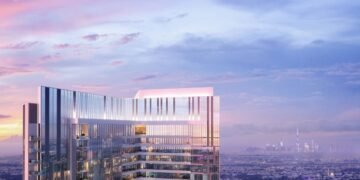
Recent residential releases by Meraas at d3 have recorded strong take-up, including the reported sell-out of Atelis, a 280-unit waterfront tower, and the launch of The Edit, a three-tower development with 557 units, according to regional business media such as Zawya and Trade Arabia.
Policy and Residency Backdrop
Dubai Holding Real Estate CEO Khalid Al Malik said:
“Expanding the Dubai Design District masterplan into a fully integrated creative neighbourhood is a significant step in advancing the ambitions of the Dubai Economic Agenda D33. This development strengthens Dubai Design District’s position as a global benchmark for design-focused urban living and reaffirms Dubai’s status as a destination of choice for long-term investment, talent and innovation.”
The emphasis on long-term investment aligns with residency reforms such as the 10-year Golden Visa, which has underpinned foreign demand for freehold homes in strategic districts, according to commentary from Knight Frank and other consultancies.
Investor Lens: Yields, Timing and Risks
From an investor perspective, the Dubai Design District masterplan introduces additional centrally located off-plan inventory in a market already dominated by off-plan transactions.
While off-plan purchases typically require lower upfront capital and offer staged payments, they expose buyers to construction risk and the possibility that large releases of similar stock could pressure resale pricing if demand cools, a risk highlighted in multiple advisory notes comparing off-plan and ready-home strategies.
For Indian and NRI investors, currency dynamics add another layer of consideration. The dirham’s peg to the US dollar increases the importance of entry pricing and rental performance for buyers funding from India or repatriating income. In creative districts, yields tend to rely on tenants from media, design and professional services — sectors that can provide resilient occupancy but are sensitive to global economic cycles.
What to Watch Next
Key variables to watch include the phasing of residential launches, unit mix and pricing, and whether cultural and wellness amenities are delivered in line with residential handovers.
Investors will also track how the Dubai Design District masterplan competes with other canal-front and urban creative districts on rental levels, service charges and resale liquidity once completed, using transaction evidence from DXB Interact and similar platforms.
What It Means for Buyers
For investors, the Dubai Design District masterplan reinforces Dubai’s shift toward amenity-rich, centrally located off-plan communities, offering potential long-term appreciation but also increasing exposure to delivery timelines and future supply.
For end-users, particularly professionals in creative and knowledge industries, the district offers the prospect of living closer to work and cultural venues with improved walkability, albeit at price points likely above outer mid-market locations.
For Indian and NRI buyers, the project represents a targeted play on Dubai’s creative economy and residency framework, with outcomes dependent on developer execution, service charges and rental demand at handover rather than launch narratives.
Discover more from Invest Dubai Today - Dubai Realty Insights
Subscribe to get the latest posts sent to your email.