

















Dubai — As Dubai’s property market transitions from a transaction-led cycle to one increasingly shaped by institutional capital, governance standards and long-term platforms, the emirate is emerging not just as a destination for projects but as a base for global real estate expansion. The latest signal comes from BCD Global, which has named Dubai as its regional headquarters as it accelerates its international growth strategy.
The move reflects a broader pattern in which developer groups, particularly those originating in India and other emerging markets, are using Dubai as a neutral, well-regulated base to coordinate cross-border real estate and infrastructure activity.
Why BCD Chose the UAE
BCD Global, the international expansion arm of BCD Group, said it has formally entered the Middle East, establishing Dubai as its regional headquarters. The platform will oversee the group’s expansion across the Middle East and Africa, with the wider GCC, including Saudi Arabia, identified as a longer-term opportunity set.
Also read: La Mazzoni Al Marjan Island Advances with Key Contracting Milestone
The company said BCD Group has delivered more than 155 million square feet of real estate across over 300 developments in seven countries over seven decades, spanning residential, mixed-use and large-scale projects. From Dubai, BCD Global will now coordinate international ambitions rather than operate on a project-by-project basis.
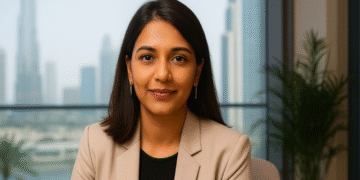
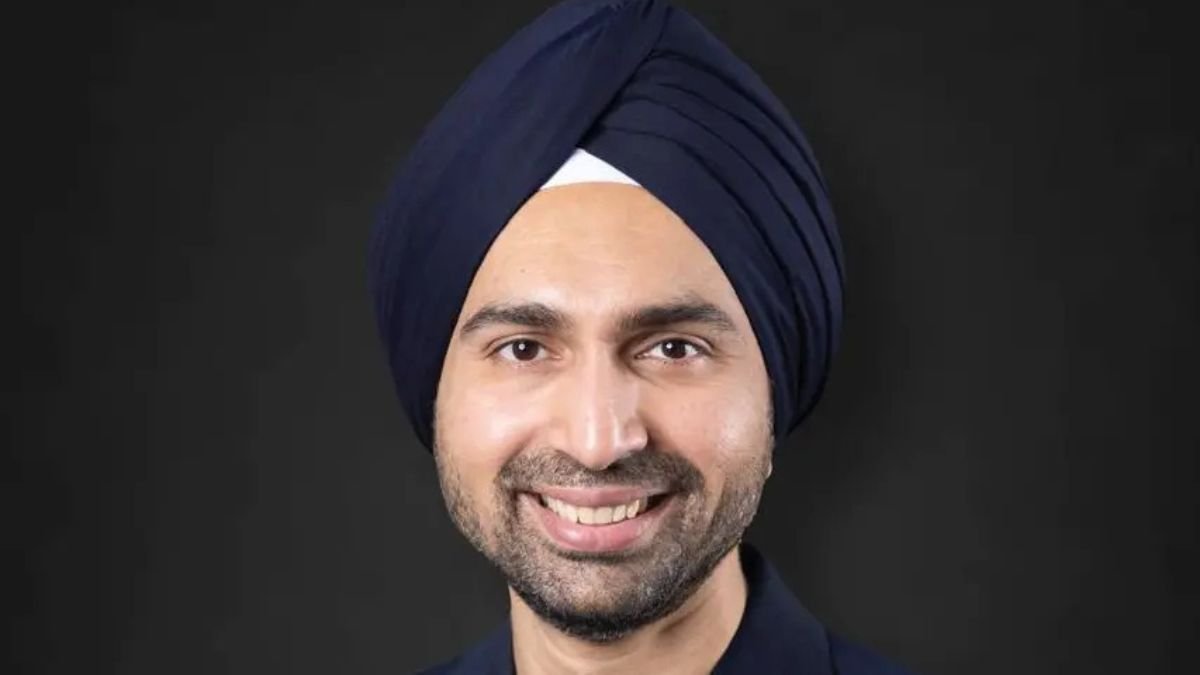
Amit Puri, Chief Executive Officer of BCD Global, said the choice of Dubai was driven by structural considerations rather than short-term market cycles, noting that “where we expand is as important as how we expand,” and adding that establishing the regional headquarters in the UAE reflects confidence in the country’s regulatory clarity and long-term urban planning.
From India to International Markets
Dubai’s appeal to global real estate players has evolved over the past decade. Initially positioned as a high-growth project market, it is increasingly being used as a platform base — a place where capital structuring, governance, partnerships and regional strategy are coordinated.
Market data from DXB Interact shows that while off-plan development remains a dominant feature of Dubai’s residential market, institutional participation and long-hold capital have increased, particularly in commercial, logistics and mixed-use assets. This shift has coincided with greater regulatory transparency and the expansion of long-term residency options, which support regional headquarters functions.
Also read: Dubai Palm Jumeirah Land Price Record 2025 Sets New Benchmark
For groups like BCD Global, Dubai offers proximity to growth markets in the Middle East and Africa, alongside capital mobility and a legal environment familiar to international investors.
Beyond a Project-Led Strategy
BCD Group’s origins in India are central to the strategy. The group has historically operated across infrastructure-linked asset classes, including healthcare, senior living, hospitality and co-living, alongside residential development. BCD Global is positioned as the vehicle through which that operating experience is translated into international markets.
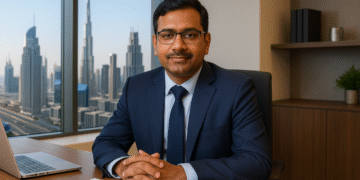
Dr Angad Singh Bedi, Chairman of BCD Global, said the group’s expansion reflects a long-term shift rather than a tactical move, noting that the Middle East represents “one of the defining growth corridors of the next decade,” with Dubai at its centre.
Industry observers note that Indian-origin developers are increasingly using Dubai as a stepping stone for globalisation, combining familiarity with the region with access to international capital and partners.
No Pipeline, Yet
From an investor perspective, the announcement is less about immediate development activity and more about capital strategy. Platform-led expansion allows groups to spread risk across geographies and asset classes, but it also raises questions around execution outside a core home market.
BCD Global has not announced specific projects or capital commitments in the UAE or wider region. Analysts note that until a visible pipeline emerges, the success of such expansions will depend on partnership formation, governance discipline and the ability to replicate operating models in new regulatory and cultural environments.
Where Execution Risk Sits
One constraint is timing. Dubai’s real estate market is entering a more mature phase, with supply pipelines expanding across residential and mixed-use segments. While this does not diminish Dubai’s attractiveness as a headquarters location, it increases competition for capital, talent and institutional partners.
There is also execution risk inherent in platform-led growth. Scaling across regions requires consistent governance and local market expertise, particularly in jurisdictions such as Saudi Arabia, where regulatory and development frameworks differ materially from the UAE.
Policy and Macro Alignment
BCD Global’s entry aligns with Dubai’s broader positioning as a hub for international business and capital, supported by long-term visas, corporate structuring flexibility and infrastructure investment. While the company referenced population growth and urban development momentum in the UAE, market analysts caution that macro alignment alone does not guarantee commercial success without a clear investment thesis and deployment strategy.
Signals Investors Will Track
Market participants will watch for clarity on BCD Global’s first regional partnerships, asset classes of focus and capital deployment timelines. Whether the platform prioritises residential, infrastructure-linked assets or mixed-use developments will shape how investors assess its regional relevance.
What This Means for Buyers
For investors, BCD Global’s decision reinforces Dubai’s growing role as a global real estate headquarters base, rather than merely a development destination. The trend favours long-term capital platforms over speculative, project-led expansion, but outcomes will depend on execution and transparency.
For end-users, the immediate impact is limited, as no projects have been announced. Over time, however, platform-driven players could influence the quality and governance standards of new developments entering the market.
For Indian and NRI investors in particular, the move reflects a familiar pattern: Indian-origin real estate groups using Dubai as a neutral, globally connected base. While this can support co-investment and capital recycling opportunities in the future, investors will need to assess concrete projects and partnerships rather than rely on headquarters announcements alone.
Discover more from Invest Dubai Today - Dubai Realty Insights
Subscribe to get the latest posts sent to your email.