














Dubai, UAE — Dubai’s next phase of residential supply is being shaped well before units reach the market. Aldar’s expansion of its joint venture with Dubai Holding—adding two large land plots set to deliver nearly 14,000 homes—signals how major developers are pacing launches into 2026 and 2027 rather than accelerating near-term supply. For investors, the announcement is less about immediate inventory and more about how the Dubai residential supply pipeline 2026–27 is being sequenced to manage absorption, pricing pressure, and execution risk.
The move also underlines how developers with access to capital and land are positioning for the next market cycle without overloading the current one.
Aldar Adds Two Large Dubai Sites
Aldar and Dubai Holding said they have expanded their joint venture, adding two strategic land plots in Dubai with a combined gross development value exceeding AED38 billion.
Also read: Dubai Palm Jumeirah Land Price Record 2025 Sets New Benchmark
The projects will collectively deliver close to 14,000 homes across two distinct locations. Aldar will oversee the full development lifecycle, including concept design, sales, delivery, and asset management.
The expanded partnership builds on a joint venture launched in 2023, which underpinned Aldar’s first residential communities in Dubai, including Haven, Athlon and The Wilds.
Two Sites, Two Different Market Roles
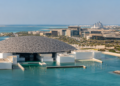
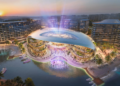
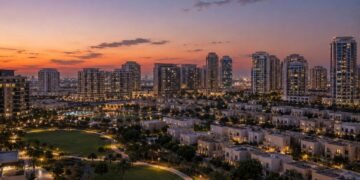
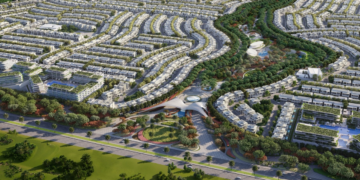
One of the newly added plots sits along Dubai’s eastern growth corridor, opposite Nad Al Sheba. Spanning approximately 4 million square metres, the site is planned as a family-oriented community comprising apartments, townhouses and villas. Aldar said the project is targeted for launch in 2026.
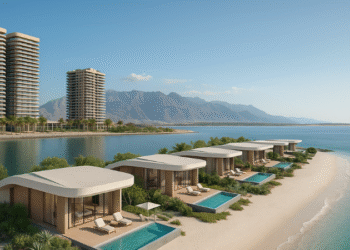
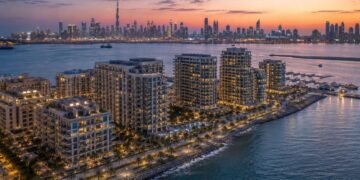
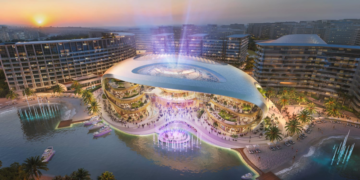
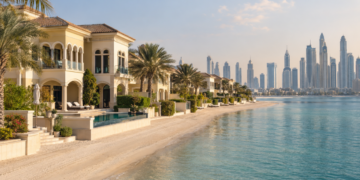
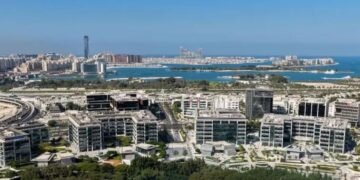
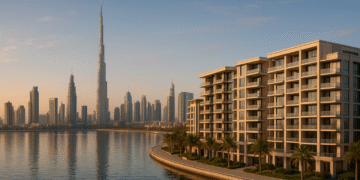
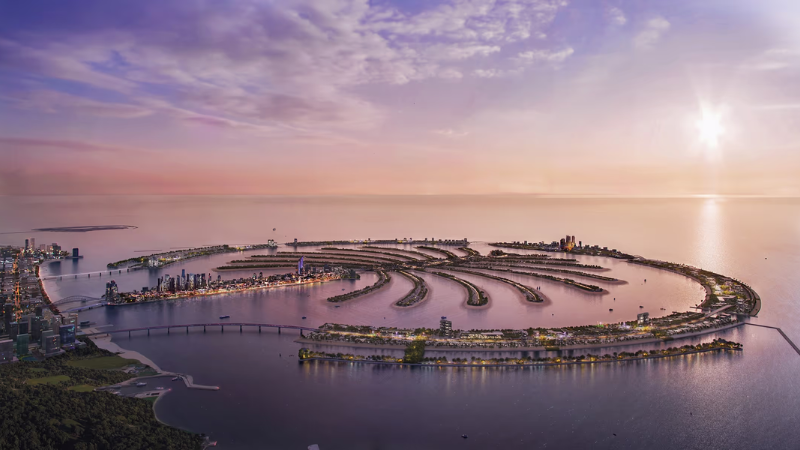
The second plot is located on Palm Jebel Ali, where an ultra-luxury waterfront development featuring branded and non-branded residences is planned. With nearly 250,000 square metres of gross floor area, this project is scheduled to launch in 2027.
Palm Jebel Ali forms a key pillar of Dubai’s 2040 Urban Master Plan, with more than 90 kilometres of beachfront intended to anchor a new long-term growth corridor in the Jebel Ali area.
Launch Timing Pushes Bulk Supply
The timing of the planned launches is a key signal. By pushing initial sales into 2026 and 2027, Aldar is effectively positioning these developments beyond the peak of the current handover cycle, when a large volume of projects already under construction is expected to complete.
Also read: B1 Properties Seals AED 88M Palm Jumeirah Plot Record!
Dubai has historically absorbed around 35,000 ready homes per year in balanced conditions. Market data indicates that completions are likely to exceed that level in the near term as projects launched earlier in the cycle reach handover. Against this backdrop, staging new supply further out reduces near-term pricing pressure and allows developers greater flexibility on product mix and positioning.
The Palm Jebel Ali site, in particular, reflects a long-cycle approach. Ultra-luxury, beachfront inventory typically carries longer absorption timelines and depends more on global capital flows than local end-user demand. By scheduling sales for 2027, Aldar is aligning pricing expectations with infrastructure rollout and broader destination maturity rather than short-term market momentum.
Developer Strategy in Focus
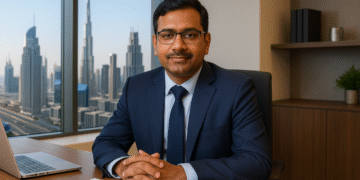
Talal Al Dhiyebi, Group Chief Executive Officer at Aldar, said the expanded partnership strengthens the company’s long-term growth pipeline in Dubai.
“Our extended partnership with Dubai Holding represents the next chapter of Aldar’s strategic expansion in Dubai, ensuring a sustainable pipeline of developments to support long-term growth,” he said, adding that the projects will broaden the choice of lifestyle communities available to residents and investors.
For Aldar, the announcement takes its total Dubai development pipeline to more than 2.3 million square metres of new gross floor area. Since entering the Dubai market more actively in 2023, the company has increasingly positioned the emirate as a second core growth engine alongside Abu Dhabi.
Land Strategy and Policy Alignment
From Dubai Holding’s perspective, the transaction reflects a land monetisation strategy rather than a shift into development risk.
Amit Kaushal, Group Chief Executive Officer at Dubai Holding, said the partnership supports the Dubai 2040 Urban Master Plan and the D33 economic agenda by unlocking value from strategic land holdings.
“As a strategic land owner, we are unlocking the value of our land bank by working with leading partners to deliver high-quality destinations that meet the evolving needs of residents, businesses and investors,” he said.
This structure allows Dubai Holding to participate in value creation while Aldar carries execution, sales and delivery risk.
Phasing, Absorption Depth and Ultra-Luxury Execution Risk
Scale remains the central constraint. Delivering close to 14,000 homes across two large sites will require careful phasing to avoid oversupplying specific segments, particularly if broader market conditions soften.
For Palm Jebel Ali, pricing power will depend on how quickly infrastructure, hospitality and retail components come online, as well as the depth of international demand at the ultra-luxury end. While launch timing reduces immediate risk, long-cycle projects are inherently sensitive to global capital sentiment.
Sales Phasing, Infrastructure Delivery and Buyer Mix
Investors should track how Aldar sequences sales releases within each masterplan and whether early phases prioritise end-user absorption or capital-led demand. Updates on infrastructure delivery at Palm Jebel Ali will also be a key indicator of how quickly the area can support premium pricing.
More broadly, the expanded joint venture provides a clear window into how the Dubai residential supply pipeline 2026–27 is being shaped by large, balance-sheet-driven developers rather than speculative launch activity.
For investors, the announcement reinforces that the next supply wave in Dubai is being managed with greater discipline than in previous cycles. End-users benefit from visibility on future communities without immediate pricing pressure. Indian and NRI buyers, in particular, may view Palm Jebel Ali as a long-hold, capital-led opportunity, while the eastern corridor project aligns more closely with end-user depth and steady resale dynamics. In both cases, timing—not volume—is the defining variable.
Discover more from Invest Dubai Today - Dubai Realty Insights
Subscribe to get the latest posts sent to your email.