


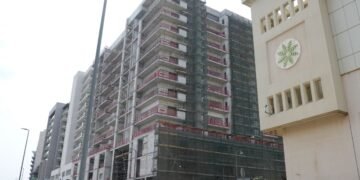





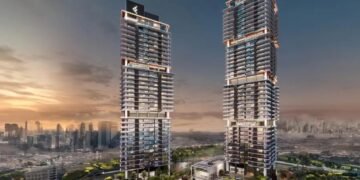

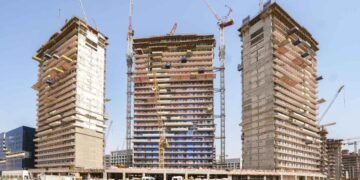









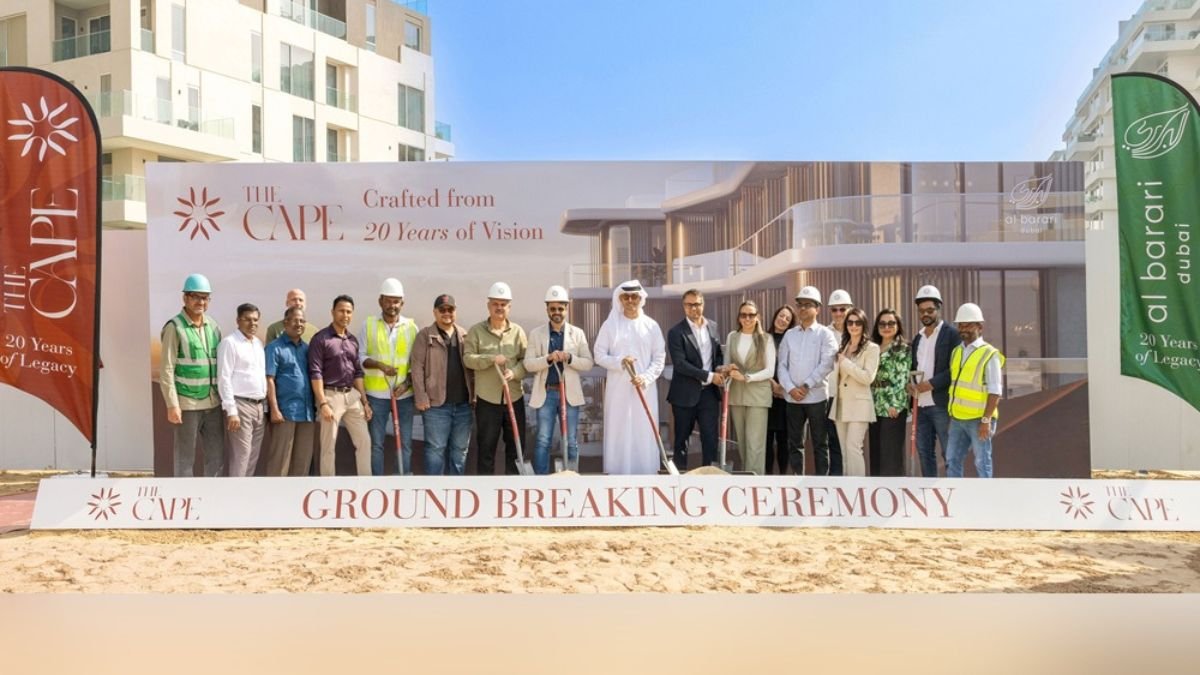
Dubai, UAE — Dubai’s premium residential market is moving into a phase where supply constraints are becoming structural rather than cyclical, particularly in low-density, master-planned communities. The groundbreaking of The Cape — the final residential development within Al Barari — signals the end of new build-led expansion in one of the city’s most supply-restricted neighbourhoods.
For investors and end-users, the relevance of the announcement lies less in a new launch and more in what it closes off: once The Cape is delivered, Al Barari will no longer generate fresh residential inventory, shifting future price discovery decisively toward the resale market.
A Closing Chapter, Not a Growth Extension
Al Barari confirmed that The Cape represents the final signature residential project within the community, concluding a 20-year development cycle that transformed the area from undeveloped land into a fully realised, nature-first residential enclave.
Also read: Al Barari Launches The Cape, Nature-Led Luxury Gem in Dubai
Unlike several Dubai masterplans that continue to extend through incremental phases, Al Barari’s land bank has been deliberately finite. Development has prioritised green coverage, low-rise density, and internal liveability over scale. The Cape completes that strategy rather than expanding it.
Speaking at the groundbreaking, Hazza Zaal, CEO of Al Barari, positioned the project squarely within that long-standing philosophy rather than as a growth pivot.
“The Cape is rooted in Al Barari’s identity as a nature-led development. For us, nature is not an add-on, it is the foundation of everything we create.”
The remark reinforces that the project does not represent a shift in positioning, but a continuation — and conclusion — of an established development model.
Why the Timing Matters
Dubai continues to see active residential launches across multiple price bands, but supply characteristics vary sharply by location. While mid- and high-density projects remain plentiful in growth corridors, communities built around low-density planning and open space face inherent physical limits.
Al Barari sits within a narrow category of developments where additional supply has always been constrained by design. With The Cape now under construction, that constraint becomes absolute.
This matters for buyers assessing long-term risk. In expansionary districts, pricing is influenced by future launch volumes. In fully built-out communities, pricing increasingly reflects scarcity, replacement cost, and resale depth rather than marketing momentum.
How The Cape Fits Into the Existing Fabric
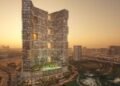
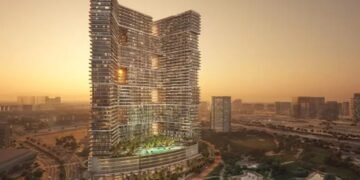
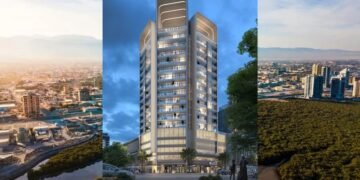
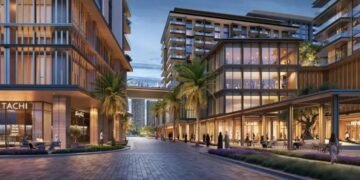
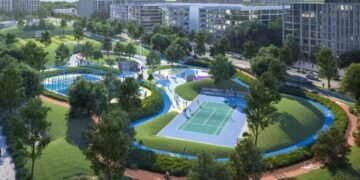
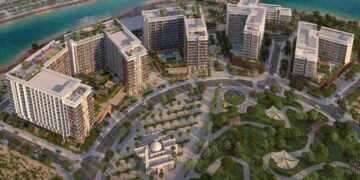
The Cape is planned as a resort-oriented residential cluster embedded within Al Barari’s established botanical landscape. According to the developer, amenities will include wellness facilities, rooftop lounges, co-working spaces, fitness areas, and family-oriented zones.
Also read: Al Ghurair The Weave JVC Sells Out Signaling Premium Shift
While amenity sets are typical at this stage, the more relevant factor is what The Cape does not change. It does not introduce higher density, a new demographic skew, or a materially different residential format. Instead, it aligns with the community’s existing scale and rhythm.
That continuity reduces internal competition between phases and limits the dilution risk sometimes seen when final-stage developments attempt to reprice or reposition a mature community.
Buyer Behaviour and Market Signals
Historically, transaction volumes in Al Barari have been lower than in high-density districts, but holding periods longer. Buyers have tended to prioritise privacy, space, and long-term liveability over rental churn.
The Cape’s positioning as the final phase reinforces that pattern. Buyers entering at this stage are not underwriting upside from future launches; they are underwriting completion certainty and capped supply.
In practical terms, this shifts the investment logic away from short-cycle capital appreciation and toward defensive value preservation — a distinction that becomes more important as Dubai’s overall supply pipeline expands elsewhere.
Constraint to Factor In
The principal limitation for buyers is liquidity rather than demand. Low-density communities typically see fewer annual transactions, which can restrict exit optionality during broader market slowdowns even when values remain resilient.
In addition, once The Cape is delivered, price discovery will be driven almost entirely by resale comparables. That can support long-term pricing discipline, but it may also slow transaction velocity if buyer and seller expectations diverge.
Construction risk remains until handover, although Al Barari’s phased delivery history reduces execution uncertainty compared to newer masterplans.
What Comes Next
Attention will now turn to pricing behaviour across completed Al Barari phases as construction progresses. Any upward repricing ahead of delivery would indicate that the market is already internalising the end of new supply.
Over the medium term, resale liquidity — not launch absorption — will become the key indicator of market health within the community.
For Indian and NRI buyers, the development highlights a familiar Dubai trade-off: fewer entry points and slower exits, balanced against lower supply risk and stronger long-term defensibility in fully built-out neighbourhoods.
Discover more from Invest Dubai Today - Dubai Realty Insights
Subscribe to get the latest posts sent to your email.