








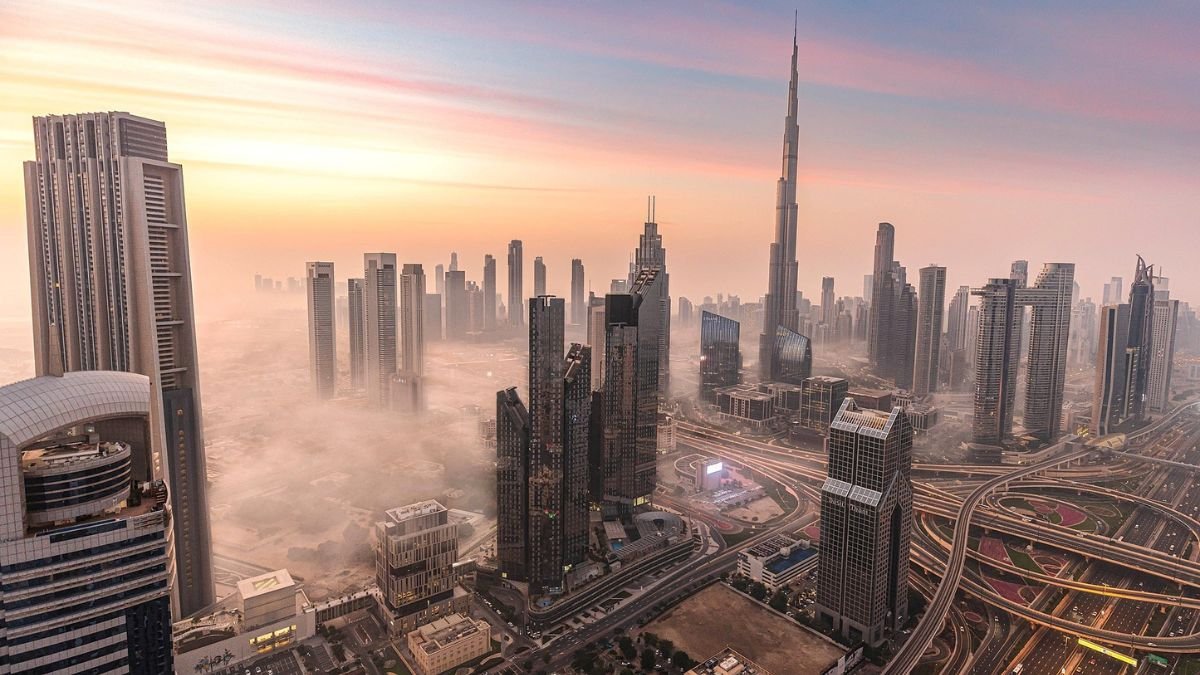
Dubai, UAE — As competition intensifies in Dubai’s ultra-premium residential market, differentiation is shifting beyond architecture and branded amenities toward indoor environmental performance. Developers are beginning to position material selection and climate-specific engineering as value drivers, particularly in high-ticket communities targeting international buyers.
This emerging emphasis on Dubai health-conscious luxury homes reflects growing scrutiny around air quality, humidity control, and long-term livability in the Gulf’s hot and humid climate — factors that are increasingly shaping buyer expectations at the top end of the market.
AED200m Commitment at Keturah Reserve
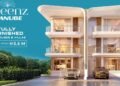
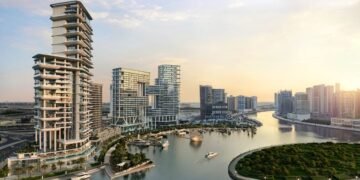
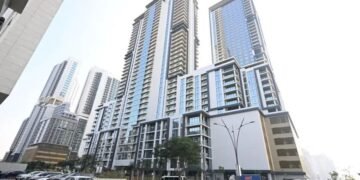
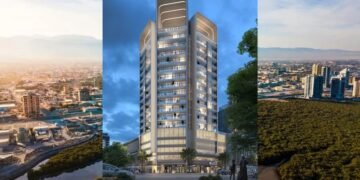
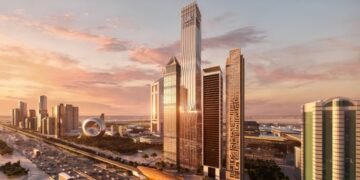
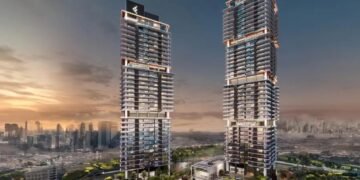
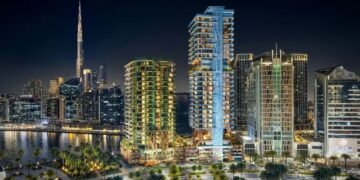
Keturah, the luxury brand led by Talal M. Al Gaddah, has committed AED200 million toward proprietary antimicrobial tiling, breathable wall systems and zero-VOC finishes at Keturah Reserve, a AED5.7 billion bio-living community under development in Mohammed Bin Rashid City’s District 7.
According to the developer, these systems are designed to address climate-related moisture accumulation, bacterial growth and indoor air contaminants — issues that can intensify under high humidity conditions.
Also read: Keturah Reserve Off-Plan Sales Explode: Dubai’s Wellness Gem Sells Out Fast
“This investment has established a new standard for Dubai’s premium residential sector, where construction quality is now being measured in health outcomes rather than aesthetic appeal alone, and it reflects a broader market evolution,” said Al Gaddah.
He added, “Dubai’s luxury sector has reached the point where discerning buyers expect materials engineered for our climate, not imported standards designed for temperate environments. We’re building homes where every surface contributes to healthier indoor living.”
Climate Performance as a Design Variable
The Gulf’s climate presents distinct challenges for residential construction. High humidity levels can exacerbate formaldehyde emissions and increase the risk of mould growth in poorly ventilated environments.
Peer-reviewed research published in 2025 examining construction materials in Dubai’s climate found that formaldehyde (HCHO) emissions from conventional materials increase under hot and humid conditions. A separate study in Building and Environment indicated that low-emission finishes can significantly reduce volatile organic compounds (VOCs) while improving humidity balance.
While these findings are not specific to one development, they underscore a broader technical consideration: climate-responsive materials may influence long-term indoor air performance in residential buildings.
“The science confirms what forward-thinking developers already know — that the Gulf region requires engineering solutions specific to our environmental conditions,” Al Gaddah said. “These materials aren’t add-ons or upgrades. They’re fundamental to construction quality today.”
Competitive Positioning in the Ultra-Premium Segment
Dubai health-conscious luxury homes are emerging as a potential differentiator in a segment where buyers already expect high-end finishes and architectural distinction.
In recent years, developers have competed through branded residences, waterfront positioning, and hospitality-style amenities. The shift toward wellness-focused construction suggests that indoor environmental quality may become part of the next phase of premium positioning.
Also read: Why Delivery Certainty Now Matters More Than Returns in Dubai Luxury Homes
However, whether this translates into measurable pricing power remains to be tested. Investments in antimicrobial tiling and specialised wall systems increase build costs. Developers must either absorb these expenses, improve margins through stronger pricing, or accelerate sales velocity to maintain profitability.
Market observers note that while wellness certification frameworks such as WELL and LEED have gained visibility in commercial assets, residential buyers historically prioritise location, brand and capital appreciation potential. It remains unclear how much additional premium the market is willing to assign to climate-adaptive construction alone.
Implications for Investors and End-Users
For end-users, particularly families and long-term residents, indoor environmental quality may carry practical relevance in terms of comfort and respiratory health. In a climate where air conditioning systems operate year-round, material performance can influence humidity balance and indoor air composition.
For investors, especially international and NRI buyers evaluating Dubai health-conscious luxury homes, the question becomes one of exit and rental resilience. If wellness-oriented construction becomes a widely adopted benchmark, early adopters may benefit from stronger tenant appeal. If it remains a niche narrative, pricing recovery on elevated construction costs could prove uneven.
There is also an operational consideration. Specialised materials and systems may influence long-term maintenance costs or service charges, particularly if proprietary technologies require dedicated upkeep.
A Market Signal, Not Yet a Standard
Dubai’s premium residential market continues to evolve as supply pipelines expand and competition for high-net-worth buyers intensifies. With new inventory entering Mohammed Bin Rashid City, Palm Jebel Ali and Marasi Bay in the coming years, differentiation strategies are becoming more technical.
The investment at Keturah Reserve signals a strategic attempt to redefine quality metrics in Dubai health-conscious luxury homes. Whether this approach sets a wider industry benchmark will depend on replication by peer developers and, ultimately, buyer response.
For now, health-engineered construction represents an emerging layer of competition in a market where pricing, brand credibility and execution certainty remain decisive.
Discover more from Invest Dubai Today - Dubai Realty Insights
Subscribe to get the latest posts sent to your email.