













Dubai, UAE — Dubai’s ultra luxury villa investment market has expanded from a niche post-pandemic surge to a sustained global wealth segment, with AED 40 million+ villa transactions rising more than ninefold from 27 in 2020 to 210 in 2023 and 242 in 2024, with around 199 deals projected for 2025. Transaction value for this bracket climbed from AED 0.89 billion in 2020 to AED 15.98 billion in 2024, a rise of about 1,700%, effectively defining Dubai’s ultra-prime villa category as an institutional-grade investment play.
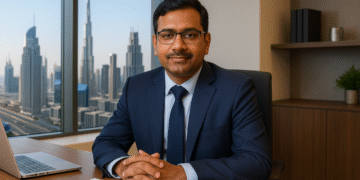
“Dubai’s AED 40M+ villa market is now a sustained global wealth segment, not a post-COVID anomaly, with strong resale demand and a limited supply of trophy homes driving prices higher,” said Firas Al Msaddi, CEO of fäm Properties. “Over the last five years, there has been explosive growth in this sector, with transactions increasing more than ninefold, from 27 in 2020 to 210 in 2023, 242 in 2024, and a projected 199 in 2025.”
Resale Surge Signals Mature Investor Cycle
Resales have overtaken primary sales in the Dubai ultra luxury villa investment market, pointing to a more mature and liquid investor cycle. From 2022 onwards, resales accounted for the majority of AED 40 million+ villa deals, reaching 58% of transactions in 2024, with resale value jumping from AED 2.0 billion in 2021 to AED 10.8 billion in 2024, outpacing developer sales at AED 5.96 billion.
Also read: Nordic by fäm Redefines Dubai’s Ultra-Luxury Market with Build-First Strategy
“This confirms a mature investor cycle, where delivered ultra-prime stock – mainly on Palm Jumeirah, Jumeirah Bay, and Emirates Hills – now trades at liquidity levels once limited to off-plan,” said Al Msaddi. In response to the surge at the very top of the market, Al Msaddi launched fäm Luxe, an ultra-super-prime division focused exclusively on UHNW buyers, as the 17th arm of the fäm Group.
Golden Triangle Of Wealth Shapes Capital Flows
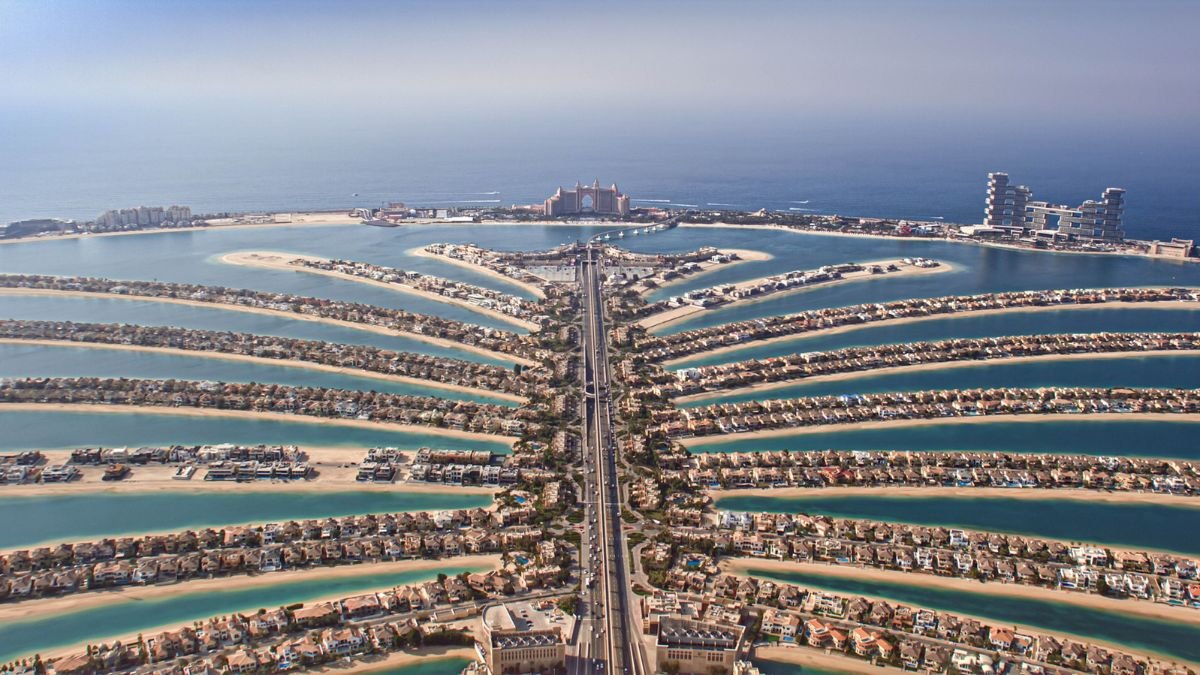
Within the Dubai ultra luxury villa investment market, Palm Jumeirah, Emirates Hills and Mohammed Bin Rashid (MBR) City have emerged as a “Golden Triangle of Wealth” for ultra-prime villas. Since 2015, Palm Jumeirah has recorded around AED 19.38 billion in AED 40 million+ villa deals (about 31% of total value), Emirates Hills AED 9.04 billion (15%), and MBR City AED 6.40 billion (10%), together accounting for 56% of all transactions in this bracket.
These mature districts sit alongside tightly held trophy enclaves such as Jumeirah Bay, where a limited pipeline of new stock continues to constrain supply and supports premium pricing. The pattern reinforces Dubai’s positioning as a global safe-haven hub for private capital and family offices seeking hard-asset exposure through the Dubai ultra luxury villa investment market.
Trophy Deals Gain Traction
A distinct shift toward higher price bands is reshaping the Dubai ultra luxury villa investment market, with AED 70–100 million transactions moving from negligible activity in 2015–2019 to more than 170 deals between 2023 and 2025. Between 2021 and 2025, approximately 83 transactions closed in the AED 100–200 million range, alongside 25 deals above AED 200 million, creating a regular pipeline of AED 200–600 million trophy sales that scarcely existed before 2021.
Also read: OMNIYAT Launches Lumena: A Landmark in Dubai’s Ultra-Luxury Commercial Real Estate
This deepening super-prime segment aligns Dubai with top global luxury hubs, supported by continued UHNW migration, tax advantages, and visa policies tailored to long-term investors. Global buyers from Europe, the US, China and India are increasingly treating the Dubai ultra luxury villa investment market as both a lifestyle play and a portfolio diversification tool.
New Frontiers: Palm Jebel Ali, Tilal Al Ghaf, The Oasis
DXBinteract data shows the next wave of the Dubai ultra luxury villa investment market forming across Palm Jebel Ali, Tilal Al Ghaf and The Oasis, particularly for future AED 100 million+ assets due for handover between 2026 and 2028. Palm Jebel Ali has already generated about AED 2.23 billion in AED 40 million+ villa sales, mostly since 2024; Tilal Al Ghaf has seen roughly AED 3.6 billion in high-end deals driven by resales since 2023; and The Oasis recorded around AED 0.99 billion in its first sales cycle after launch.
These emerging communities combine master-planned infrastructure, branded residences and beachfront or waterfront positioning, giving investors exposure to growth corridors that may complement the established Golden Triangle. For long-term participants in the Dubai ultra luxury villa investment market, early entry into these districts offers potential upside as they transition from off-plan to delivered stock.
Structural Drivers And Risk Factors
The Dubai ultra luxury villa investment market is supported by structural tailwinds including population growth, pro-investor regulation, and limited supply of top-tier plots in prime coastal locations. Policy initiatives such as long-term residency programmes for investors and professionals have reinforced Dubai’s status as a preferred base for UHNW families and global entrepreneurs.
At the same time, investors face concentration risks linked to global capital flows, currency cycles and potential shifts in wealth taxation in source markets, as well as project-specific execution risk in newer master communities. Portfolio diversification, conservative leverage and a focus on best-in-class locations remain central to risk management within the Dubai ultra luxury villa investment market.
What This Means For Indian Investors
For Indian HNW and UHNW investors, the Dubai ultra luxury villa investment market offers a combination of geographic proximity, familiar business networks and tax-efficient ownership compared with many Western markets. Travel connectivity, cultural affinities and a large Indian diaspora profile also enhance the lifestyle and succession-planning appeal of trophy homes in Dubai.
Indian investors evaluating exposure at AED 40 million+ can consider three broad strategies: acquiring income-generating villas in the Golden Triangle, taking a longer-term capital appreciation view on early-phase assets in Palm Jebel Ali, Tilal Al Ghaf or The Oasis, or using Dubai holdings as a hard-asset hedge alongside domestic portfolios. Working with on-ground advisors familiar with cross-border structuring, inheritance planning and corporate ownership is key to optimising entry and exit in the Dubai ultra luxury villa investment market.
Discover more from Invest Dubai Today - Dubai Realty Insights
Subscribe to get the latest posts sent to your email.