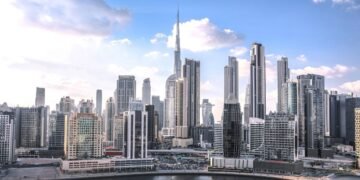
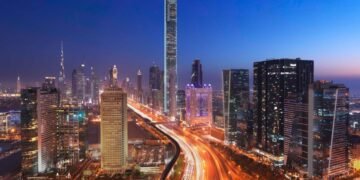
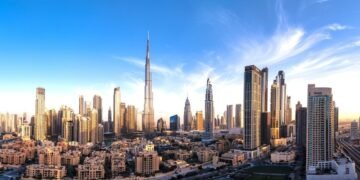
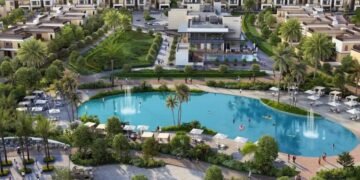


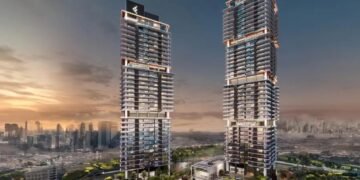
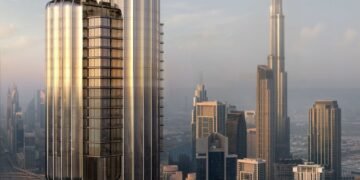
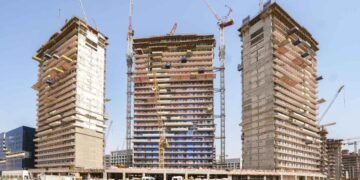
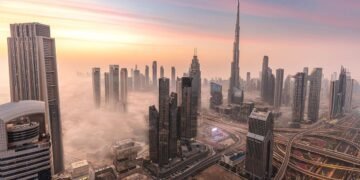
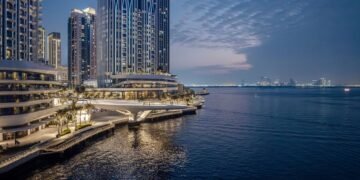





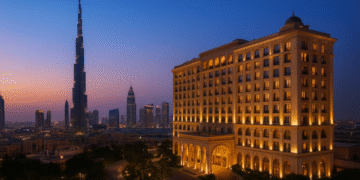
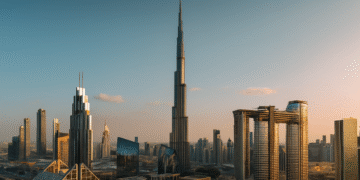



Dubai, UAE — Dubai’s residential market has spent the past two years absorbing record volumes of off-plan supply, largely driven by branded residences, waterfront towers and mid-luxury communities aimed at investors and end-users seeking near-term returns. A newly unveiled canal-front project by R.Evolution, however, highlights a different experiment under way at the very top of the market: whether ultra-low-density, wellness-led developments can attract sustained demand in a city better known for scale and velocity.
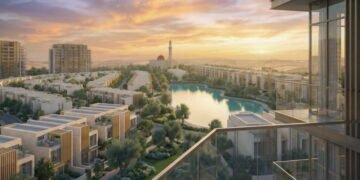
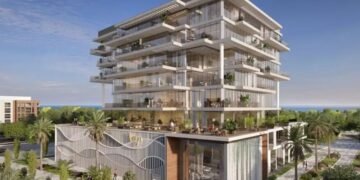
R.Evolution has revealed the architectural concept for Eywa Way of Water, the second project in its Eywa Collection, which the company describes as a regenerative residential platform along the Dubai Water Canal. While the announcement is conceptual in nature, it provides a window into how some developers are attempting to differentiate in an increasingly crowded premium landscape.
What Has Been Announced
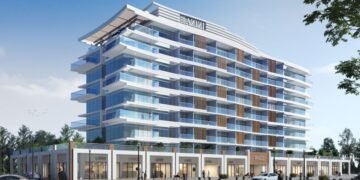
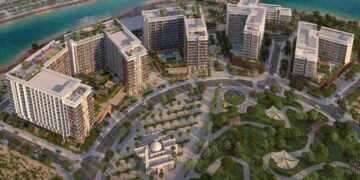
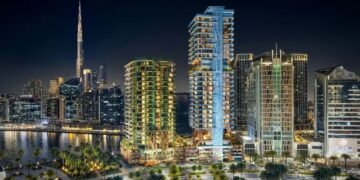
According to the developer, Eywa Way of Water will comprise 65 private residences positioned along the Dubai Water Canal. The project has been designed by Zane Tetere of OAD Architects, with architecture and interiors organised around water, air, light and energy as core design principles.
Also read: Dubai Prime Property Transactions Signal Selective Investor Shift
R.Evolution said the building will incorporate features such as structured water systems, air purification, energy efficiency strategies and extensive wellness and communal facilities. The company has also stated that the development is targeting LEED Platinum and WELL Platinum certification, alongside WiredScore Platinum pre-certification.
Alex Zagrebelny, Chairman and Chief Executive Officer of R.Evolution, said the project reflects a broader shift in how the company approaches residential development, describing Eywa Way of Water as “a living ecosystem where architecture, energy, ritual, and nature work together to elevate life itself,” adding that the aim is to position regenerative living as the next stage of high-end housing.
Market Context: Premium Saturation and Differentiation
Dubai’s premium residential segment has expanded rapidly since 2021, with branded towers and waterfront apartments accounting for a large share of transaction value. Data from DXB Interact shows off-plan sales continuing to dominate volumes, supported by phased payment plans and global investor demand.
Also read: Dubai Property Boom in 2025 Signals Market Maturity Beyond Speculation
As supply in this segment has grown, developers have increasingly leaned on differentiation — through branding, location or amenities — to stand out. Eywa Way of Water represents an attempt to push that differentiation further, away from scale-driven luxury toward ultra-low-density, wellness-centric positioning within the Dubai regenerative residential market.
Ultra-Premium Versus Mid-Luxury Demand
Market commentary from Knight Frank and CBRE has consistently shown that Dubai’s demand base is deepest in mid-luxury and upper mid-market segments, where price sensitivity is balanced by rental yield logic and resale liquidity.
By contrast, ultra-premium projects with limited unit counts tend to rely on a much narrower buyer pool, often driven by lifestyle preference, collectability or long-term capital preservation rather than income generation. Eywa Way of Water’s 65-residence scale places it firmly in this niche, where absorption timelines are typically longer and resale comparables fewer.
Investor Lens: Yield is Secondary, Capital Preservation is Not
From an investor perspective, projects positioned within the Dubai regenerative residential market differ materially from mainstream off-plan opportunities. Rental yield is unlikely to be a primary driver, given the extensive amenity and maintenance requirements associated with wellness-led assets.
Instead, buyers in this segment typically focus on scarcity, long-term relevance and global appeal. Market analysts caution, however, that while such projects can command attention at launch, exit liquidity remains untested in Dubai, where the resale market is still more comfortable with branded or location-led assets.
Risk Factors and Constraints
The primary risk for developments such as Eywa Way of Water lies in concept risk. Regenerative and longevity-led narratives are still emerging in Dubai, and it remains unclear how widely they will be valued at resale compared with more established premium formats.
Service charges and operating complexity also present a constraint. High-intensity wellness facilities, specialised building systems and curated communal spaces can increase long-term costs, which may weigh on buyer appetite beyond the initial sales phase.
Policy and Macro Alignment
R.Evolution said the project aligns with the Dubai 2040 Urban Master Plan and the UAE’s Net Zero 2050 strategy, reflecting a broader policy push toward sustainability and environmental efficiency. While such alignment supports the long-term narrative, market data suggests that sustainability credentials alone rarely drive pricing, instead acting as supporting factors alongside location and design quality.
What to Watch Next
Market participants will watch closely how Eywa Way of Water is priced, how quickly its limited inventory is absorbed, and whether demand emerges primarily from end-users or international lifestyle buyers. Comparisons will also be drawn with Dubai’s branded residence market to assess whether regenerative positioning can establish itself as a standalone category.
What This Means for Buyers
For investors, Eywa Way of Water highlights how Dubai’s ultra-premium segment is fragmenting into ever-narrower niches, where returns depend less on rental logic and more on scarcity and long-term capital preservation. End-users drawn to wellness-led living may see appeal in such developments, but outcomes will hinge on execution and community adoption.
For Indian and NRI buyers in particular, the Dubai regenerative residential market represents a specialised play rather than a mainstream investment route. Currency diversification and lifestyle alignment may be relevant, but liquidity, service costs and resale depth will matter more than headline concepts. As Dubai’s property market matures, projects like Eywa Way of Water will test how far the city’s buyer base is willing to follow developers into new definitions of high-end living.
Discover more from Invest Dubai Today - Dubai Realty Insights
Subscribe to get the latest posts sent to your email.