





















Dubai, UAE — As Dubai enters a delivery-heavy phase in its residential cycle, investor attention is increasingly shifting from launch momentum to execution certainty and end-user absorption. The Eden House The Canal handover is notable because it adds fully completed, low-density waterfront stock to a corridor where new supply is structurally limited and buyer preferences are visibly evolving.
The project’s sell-out ahead of completion reinforces a broader market signal: in premium locations, buyers are placing higher value on privacy, completed product and liveability than on scale or speculative upside.
Handover Details
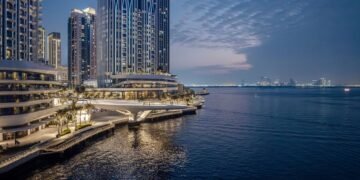
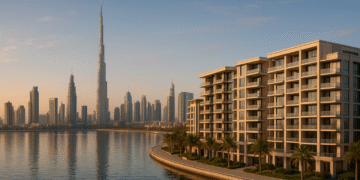
H&H said it has completed and begun handing over Eden House The Canal, a low-rise residential development on the banks of the Dubai Water Canal.
Also read: Al Marjan Island Waterfront Supply Moves into Execution Phase
The 98-residence project, located in Jumeirah, was fully sold before completion, with more than 60% of units transacting within the first month of launch, according to the developer.
H&H said a meaningful share of buyers came from residents of Eden House Al Satwa — its earlier lease-only project — alongside repeat buyers from previous H&H developments, pointing to upgrade-driven demand rather than first-time speculative buying.
Low-Rise Supply in a High-Volume Market
Dubai’s residential pipeline is weighted toward high-rise, off-plan inventory, particularly outside established waterfront corridors. Market data consistently shows that while off-plan volumes dominate transaction counts, completed stock in constrained locations continues to attract deeper end-user demand.
Within this context, the Eden House The Canal handover adds finished, low-rise supply to a waterfront zone where new development is limited by planning controls, plot availability and height restrictions. That scarcity dynamic has become increasingly relevant as buyers reassess density, community scale and long-term liveability.
The project also aligns with a broader shift in the luxury segment, where privacy, wellbeing and a sense of neighbourhood are emerging as decisive purchase drivers, rather than branded amenities or scale alone.
Architecture and Execution Status
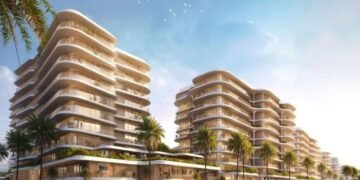
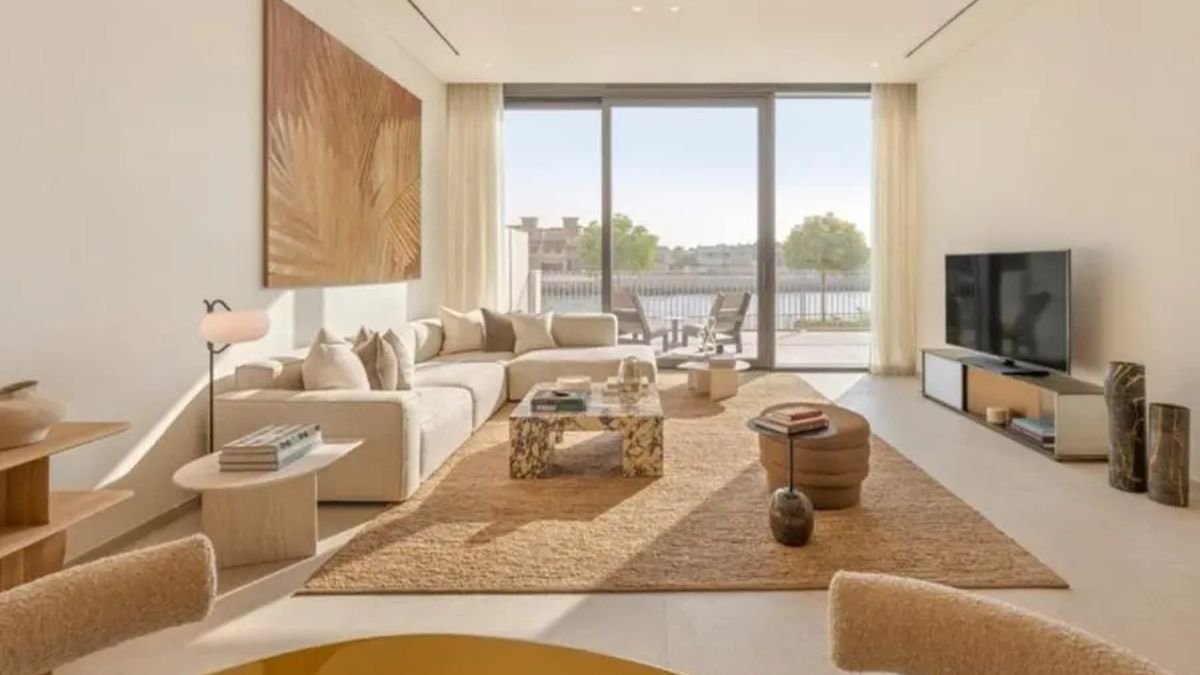
Designed by DXB lab, the development follows a deliberately low-rise, human-scale approach. The architecture features horizontal massing, floor-to-ceiling glazing balanced with stone and timber finishes, and a profile intended to limit visual density along the canal, the developer said.
Also read: Dubai Maritime City Waterfront Supply Draws Investor Attention in 2026
Internally, residences prioritise open layouts and deep terraces overlooking the canal and surrounding greenery. Materials were selected for durability and ageing characteristics rather than trend-led finishes, according to H&H.
From an investor and end-user perspective, the key distinction is not design language but execution status: the project is delivered, occupied and operational at a point when many comparable waterfront schemes remain several years from handover.
What This Signals for Buyers
For investors, the Eden House The Canal handover underscores three market signals:
First, completed, low-density assets in prime waterfront corridors are attracting capital that is less sensitive to leverage or payment-plan incentives. This is typically associated with end-users and long-hold investors rather than short-cycle traders.
Second, repeat buying within the Eden House ecosystem suggests brand-led trust built on delivery rather than marketing. In a market where execution risk remains a key concern, demonstrated handover capability can materially influence buyer behaviour.
Third, the project’s scale limits rental and resale saturation risk. With just 98 units, leasing depth and secondary liquidity are structurally different from large-format waterfront towers delivering hundreds of apartments simultaneously.
For Indian and NRI buyers in particular, completed homes remove construction and timeline uncertainty while allowing clearer assessment of service charges, community fit and resale positioning in AED-denominated assets.
Developer Perspective
Commenting on the milestone, Miltos Bosinis, CEO of H&H, said: “The handover of Eden House The Canal is a significant milestone in our journey to redefine metropolitan living. We envisioned this project as a home – a place of calm that cuts through the noise of the city.”
Addressing buyer response, Bosinis added: “The fact that the development sold out ahead of handover confirms that there is a deep desire for this level of architectural integrity and hospitality-inspired lifestyle. It is a community built for those who value time, privacy, and the beauty of essential design.”
The lifestyle offering includes a waterfront swimming pool, a Technogym-equipped fitness and movement studio, and a residents’ lounge positioned as an extension of the home rather than a social hub, the developer said.
Primary Risk Consideration
While the project itself has executed successfully, the broader constraint for similar developments is replicability. Low-rise waterfront supply along the Dubai Water Canal is structurally limited, meaning future inventory in this format is unlikely to scale meaningfully.
For investors, this scarcity supports value retention but also limits liquidity depth relative to larger developments. Service charge sensitivity and tenant profile concentration are also factors to monitor as occupancy stabilises.
Next Indicators to Track
Market observers will track leasing velocity and resale activity at Eden House The Canal as the community matures, particularly against new off-plan waterfront launches elsewhere in Dubai.
More broadly, attention will remain on whether buyer preference for completed, low-density homes continues to strengthen as the city absorbs a heavy pipeline of high-rise deliveries through 2026 and beyond.
The Eden House The Canal handover reinforces a clear pattern in Dubai’s premium residential market: in established waterfront locations, buyers are prioritising execution certainty, privacy and finished product over scale or speculative pricing.
For investors, the development highlights how scarcity and delivery discipline can mitigate supply-cycle risk. End-users benefit from immediate habitability and community coherence. For Indian and NRI buyers, the project illustrates a growing tilt toward completed assets that allow clearer capital deployment decisions in a market where future supply remains unevenly distributed.
Discover more from Invest Dubai Today - Dubai Realty Insights
Subscribe to get the latest posts sent to your email.