


































Dubai’s real estate market recorded unprecedented growth in the third quarter of 2025, with 59,228 transactions worth AED 170.7 billion ($46.5 billion), representing the highest quarterly transaction volume in the emirate’s history, according to Dubai Land Department and DXBinteract data.
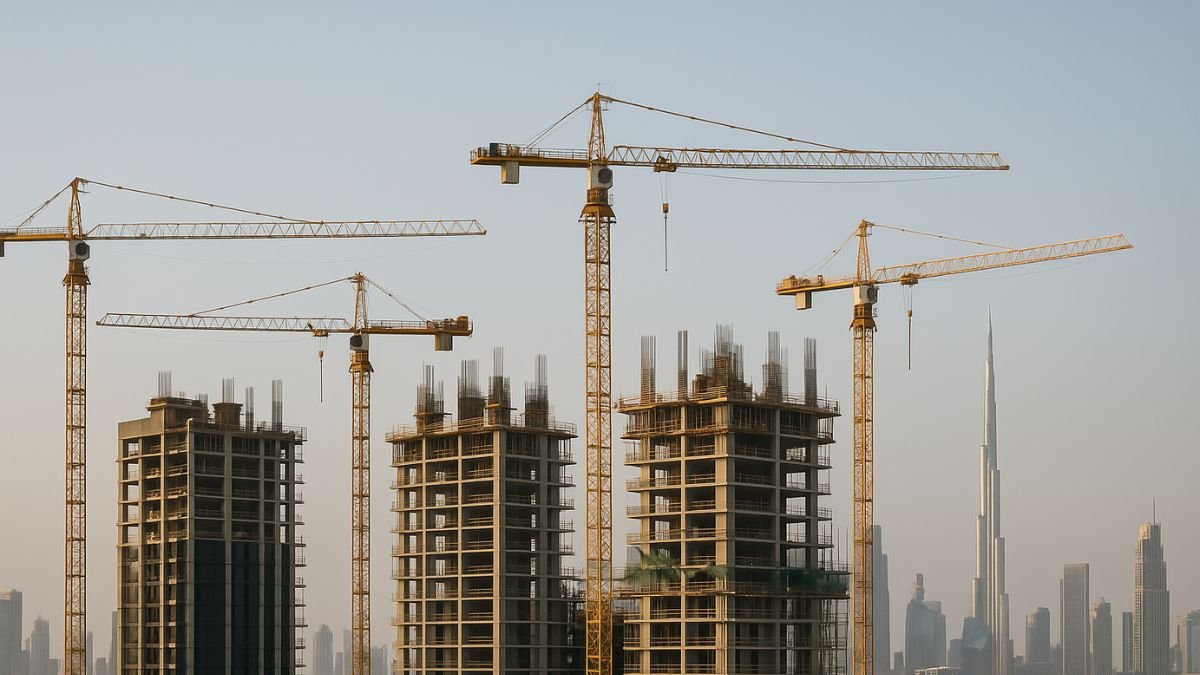
Off-plan properties constituted 73% of transaction volume and 66% of market value during this period, demonstrating sustained investor confidence in Dubai’s developmental pipeline.
According to The National, off-plan sales in Dubai remain robust due to “lower entry costs, flexible payment plans, and capital appreciation potential.” However, analysts note that enthusiasm must be tempered with diligence.
“On an international scale, there certainly is a risk associated with an off-plan property mostly due to delays or cancellations,” said Stephanie Myrtle, vice-president of a Dubai-based real-estate research firm, in a recent interview with Gulf News.
Here’s how investors can safeguard their money and avoid the most common traps.
1. Verify the Developer’s Track Record
Among the top off-plan purchase mistakes in Dubai is committing funds to an untested or unlicensed developer.
A property risk guide from Engel & Völkers notes that “off-plan properties… carry additional risks like construction delays and project changes, making due diligence essential.”
Also read: Buying Property In Dubai From Developers Or Agents: A 2025 Market Analysis
Buyers should always confirm whether the project is registered with the Dubai Land Department (DLD) and listed on its Oqood system, which provides transparency about project escrow accounts and developer credentials. For Indian investors, conducting remote verification through DLD’s official portal can mitigate cross-border uncertainty.
Tip: Check developer licence, escrow details, and past delivery records. If a developer lacks a proven handover history, treat that as a red flag.
2. Understand Payment Plans and Handover Timelines
Attractive offers—low down-payments or post-handover instalments—can hide liquidity and delay risks. According to a QUBE Development guide, buyers should prioritise clarity on milestone-based payment schedules and delivery guarantees.
Delays are not uncommon in the segment. A six-month to one-year lag can erode returns by deferring rental income and increasing opportunity costs. Ensure your Sales & Purchase Agreement (SPA) clearly outlines delivery dates and penalties for delay.
Tip: Evaluate payment flexibility versus completion reliability. A shorter construction window from a reputable builder may be more secure than a longer, uncertain plan.
3. Assess Market Supply and Price Correction Risks
Fitch Ratings recently projected a potential 10–15 % residential price correction due to rising supply and global economic cooling.
Also read: Real Estate Crash UAE? Analysts See Correction, Not Collapse
That means buyers must avoid speculation and instead align with real-demand corridors—areas near infrastructure and rental activity. Diversifying between established zones (like Business Bay or JLT) and emerging pockets (such as Arjan or Dubailand) can help balance returns.
4. Account for Hidden and Exit Costs
Many first-time buyers focus only on list price and payment instalments. Yet, hidden expenses often inflate the real cost of acquisition. These include:
- 4 % DLD registration fees
- Oqood documentation charges
- Service and maintenance fees
- NOC and assignment charges during resale
Experts warn that such costs “can easily add 5–7 % to the purchase price if not budgeted.”
For Indian investors, foreign-exchange volatility and remittance compliance under the
Liberalised Remittance Scheme (LRS) also require attention. It means that using international credit cards for such payments can violate RBI norms.
Tip: Maintain a contingency budget of at least 10 % for unplanned costs or currency fluctuations.
5. Prioritise Demand-Driven Locations
Marketing materials often spotlight luxury branding and promised infrastructure—but location fundamentals drive long-term performance. QUBE Development’s 2025 analysis estimates that some off-plan zones yield 7–9 % rentals annually.
To gauge actual potential, verify metro connectivity, nearby schools and retail centres, and upcoming transport upgrades.
Tip: Prioritise neighbourhoods with active end-user occupancy rather than pure investor clustering.
6. Strengthen Legal and Documentation Safeguards
Dubai’s regulatory ecosystem—anchored by the Real Estate Regulatory Agency (RERA)—protects buyers through escrow and project registration mandates. However, compliance gaps can still occur.
A Legal 500 analysis by Awatif Mohammad Shoqi Advocates & Legal Consultancy warns that while Dubai’s off-plan market offers opportunity, “navigating this market requires vigilance and awareness of potential risks to ensure a secure investment.”
Investors should engage licensed real-estate lawyers to review contracts, confirm escrow details, and ensure Oqood registration before signing.
Tip: Request all documents directly from the developer’s RERA portal and retain bank receipts for every transfer.
7. Additional Pointers for Indian Investors
Indian nationals form one of Dubai’s largest property-buying communities. To invest securely:
- Use authorised banks and LRS-compliant remittance channels.
- Hedge currency exposure where feasible.
- Consider long-term holds for stable rental yield (typically 7–8 % in prime areas).
- Understand repatriation rules for overseas rental income.
- Visit Dubai during construction milestones for on-site review.
Conclusion
Dubai’s off-plan property market offers a unique blend of accessibility, returns and international appeal. Yet, investors who neglect due diligence often encounter project delays, unforeseen costs, or lower yields.
By focusing on off-plan purchase mistakes in Dubai—developer reliability, payment structure, cost transparency, market fundamentals, and legal safeguards—buyers can position themselves for sustainable growth. For Indian investors especially, regulatory compliance and realistic return expectations remain key to successful entry into the region’s most dynamic real-estate hub.
Discover more from Invest Dubai Today - Dubai Realty Insights
Subscribe to get the latest posts sent to your email.