























Dubai, UAE — Indian nationals have emerged as Dubai’s leading rental tenant group, dominating five of the emirate’s ten most analyzed residential communities, according to new market data released by fäm Properties drawing on DXBinteract tenant demographics.
The research, drawing on DXBinteract tenant data, shows that Dubai rental market demographics by nationality vary dramatically from one district to another, reflecting how 203 different nationalities have carved out distinct residential clusters based on cultural affinity, budget constraints, and proximity to employment centers.
Indians and British Lead Overall
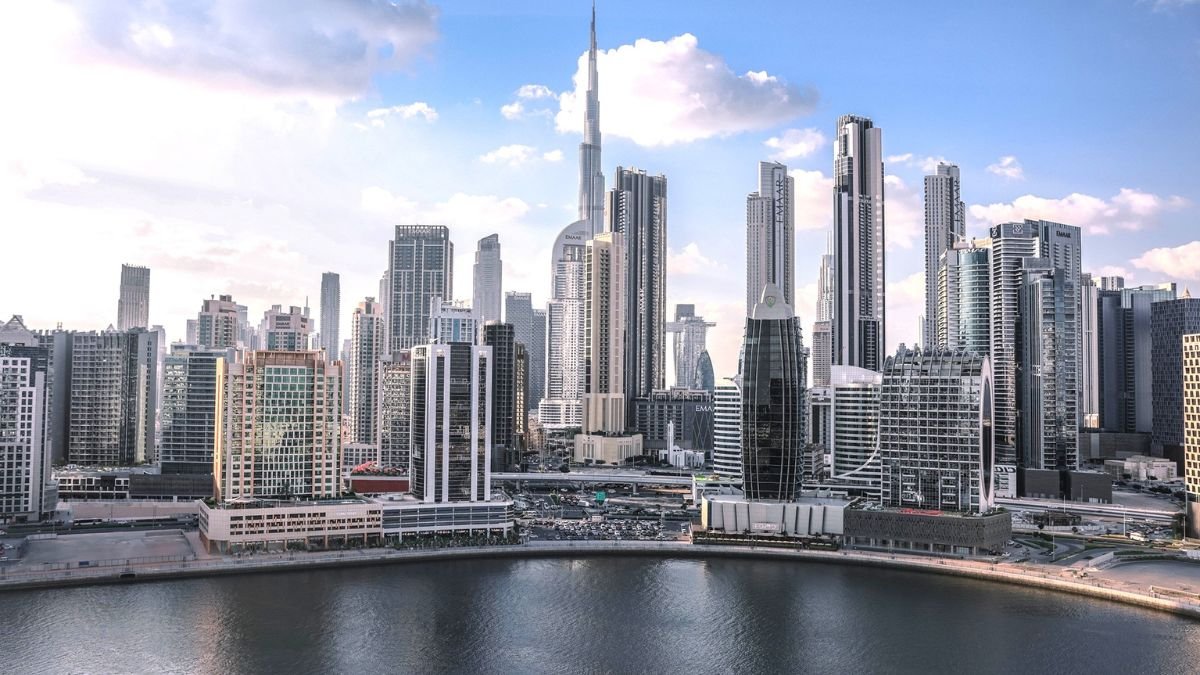
Indian and British nationals form the tenant base backbone across Dubai’s diverse rental ecosystem. Indian tenants rank as the dominant group in five of ten analyzed areas, including Jebel Ali First (52%), Al Warsan First (34%), Business Bay (18%), Al Jadaf (16%), and JVC, Al Barsha Fourth (12%). British nationals appear among the top five nationalities in eight out of ten communities, leading Al Yelayiss 1 with 26% market share.
“The new data highlights how Dubai operates as a collection of international hubs,” said Firas Al Msaddi, CEO of fäm Properties. “The rental market isn’t just about price points – it’s about community, culture, and how more than 200 nationalities have made this city their home”.
Geographic Clustering Patterns
South Asian nationals dominate working-class neighborhoods, with Al Warsan First comprising 34% Indian, 25% Pakistani, and 10% Chinese tenants. Similarly, Jebel Ali First shows even stronger concentration, with Indian nationals accounting for 52% of renters, followed by 12% from the Philippines.
Also read: Top Rated Dubai Rentals Under 100k: Festival City, Karama, Al Jaddaf Shine
European expatriates concentrate in premium neighborhoods, where Dubai rental market demographics by nationality skew heavily toward Western residents. Jumeirah First houses 18% Russian tenants, while UK, France, Germany and Italy collectively represent 34% of the area’s rental population. Al Wasl follows a similar pattern, with UK nationals at 15%, France at 10%, and Russia at 10%.
Arab Expatriate Presence
Lebanese and Egyptian nationals represent the dominant Arab expatriate communities within Dubai rental market demographics by nationality. Lebanese residents rank among the top five nationalities in five areas, including Business Bay and JVC, while Egyptians feature prominently in four communities, including Al Barsha South Fourth and Jebel Ali First.
The “Others” Factor
A significant finding shows the “Others” category consistently representing the largest single segment in prominent areas. In Business Bay, this group accounts for 40% of tenants, while Dubai Creek Harbour shows 42%, and Al Wasl registers 40%.
Also read: Dubai Rental Yields 2025: Investment Analysis Reveals Best Value Communities
“This shows just how fragmented and diverse the tenant base is, confirming that while specific nationalities gather in clusters, Dubai’s overall makeup is uniquely global,” Al Msaddi stated.
Market Context
The rental segmentation emerges as Dubai’s property market maintains robust momentum through 2025. Knight Frank data indicates citywide residential prices rose 3.7% in Q1 2025, reaching AED 1,749 per square foot. The annual rental growth for all residential properties decelerated to 8.5% in May 2025, down from 14.3% in January.
Off-plan sales continue dominating market activity, accounting for 69% of all transactions in Q1 2025. The emirate recorded 43,000 property deals totaling AED 114.7 billion during the quarter.
Implications for Indian Investors
For Indian investors exploring Dubai opportunities, understanding Dubai rental market demographics by nationality provides strategic insights into community dynamics and potential rental yields. Indian nationals represent 22% of Dubai’s off-plan buyer pool, the highest among foreign nationalities.
Also read: Dubai Rental Disputes Centre Rules on Service Fee Obligations
Areas with established Indian tenant concentrations like Business Bay and JVC offer familiar cultural environments while delivering annual rental yields between 8-15%, significantly outperforming Indian metro markets. However, European-dominated premium neighborhoods like Dubai Creek Harbour and Al Wasl command higher rental rates, potentially offering superior capital appreciation despite lower concentration of South Asian communities.
Dubai’s tax-free environment, coupled with Golden Visa provisions for property investors, continues attracting Indian buyers seeking diversification beyond domestic real estate markets. The Dubai 2040 Urban Master Plan projects continued demand growth, with 5-8% annual price appreciation expected through 2025.
Analytical Outlook
The geographic nationality clustering within Dubai rental market demographics by nationality reflects the emirate’s evolution into a genuinely polycentric global city rather than a homogeneous expatriate hub. This segmentation creates micro-markets with distinct rental dynamics, yield potentials, and investment characteristics that sophisticated investors must evaluate beyond simple price-per-square-foot metrics.
For Indian investors specifically, the data suggests strategic opportunities exist both in high-concentration South Asian neighborhoods offering cultural familiarity and stable tenant demand, and in emerging mixed-nationality communities where demographic diversification may signal gentrification and appreciation potential. The key lies in matching investment objectives—whether income generation or capital growth—with community demographic trajectories and infrastructure development patterns.
Discover more from Invest Dubai Today - Dubai Realty Insights
Subscribe to get the latest posts sent to your email.