

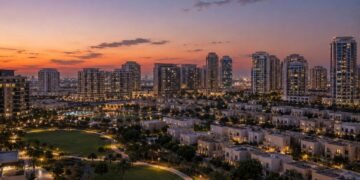
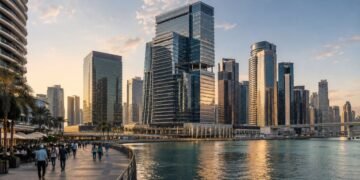
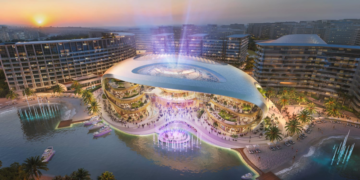

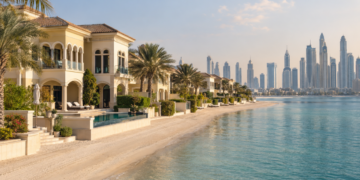
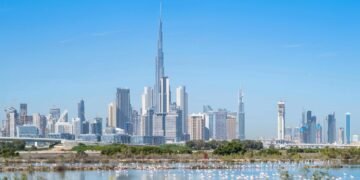
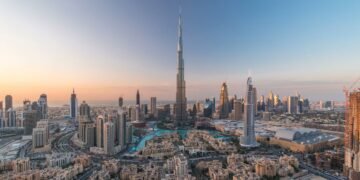
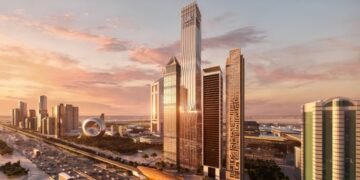

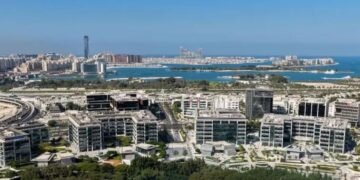



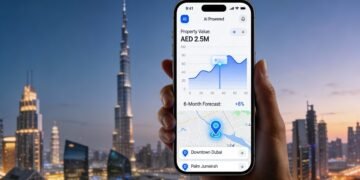





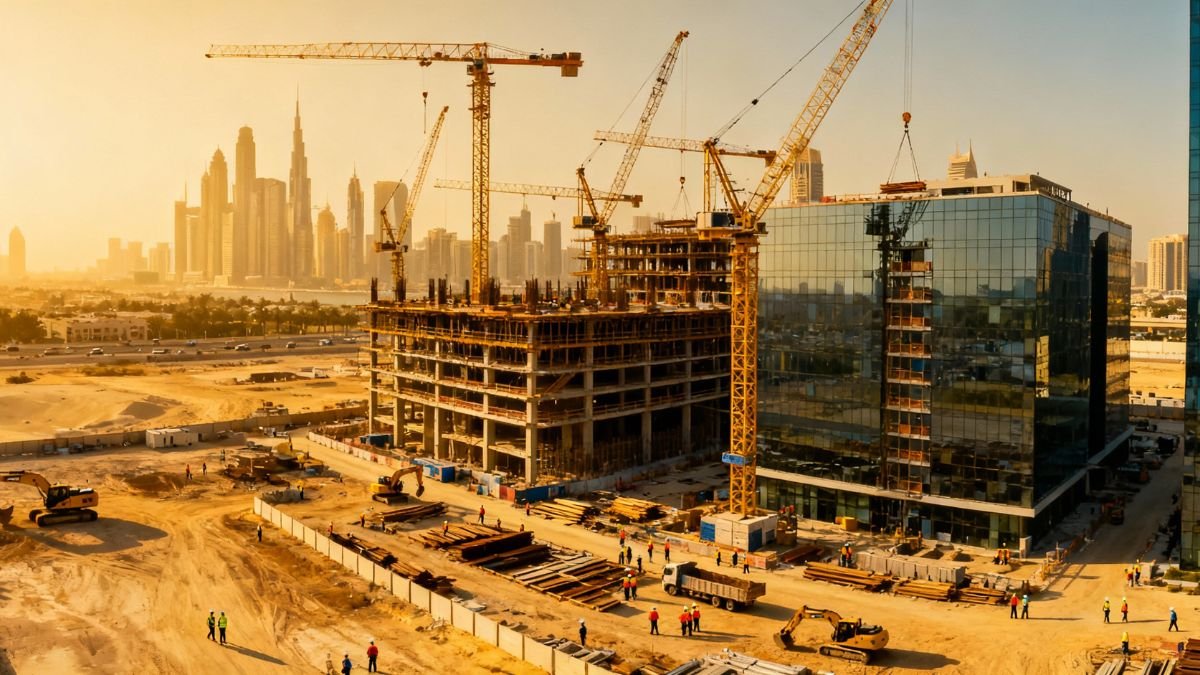
Dubai’s land transaction market has undergone a striking transformation, with values surging 403.6% from AED 13.7 billion in 2019 to AED 68.8 billion in 2024, as revealed in JLL’s “Beyond the Skyline” report. The acceleration continues into 2025, with AED 43 billion worth of land deals recorded in the first half alone—a 42.9% year-on-year jump. This robust momentum is underpinned by regulatory reforms, sustainable infrastructure investment, and a wave of global investor interest, positioning Dubai as a model for urban expansion.
Infrastructure and Regulatory Reforms
Dubai’s population growth—fueled by high-net-worth expatriate migration and investor-friendly policies—remains a core demand engine. The emirate’s population has doubled since 2014 and is projected to approach 5.8 million by 2040, exceeding global city averages. Strategic urban planning has managed this influx by developing new hubs such as Dubai South and intensifying established ones like Business Bay and Downtown Dubai.
Also read: Real Estate Crash UAE? Analysts See Correction, Not Collapse
Sustained government investment is a catalyst for the surge in land values. In 2025, approximately 46% of Dubai’s budget (AED 39 billion) was allocated to infrastructure, ensuring seamless connectivity and future-proof growth. The expansion of freehold tenure—most recently 457 plots along Sheikh Zayed Road and Al Jaddaf—has unlocked new value, rapidly appreciating property prices and attracting international ownership. Regulatory upgrades, including escrow rules and blockchain-driven transaction transparency, are credited with reducing risk and enhancing trust, encouraging broader developer and investor participation.
Market Performance and Hotspots
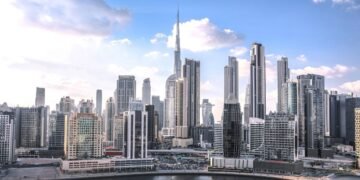
According to the JLL report, land transactions have become concentrated in mixed-use and premium corridors. Business Bay and Dubai Islands led in value, demonstrating investor appetite for established and emerging locations. Freehold areas, benefiting from regulatory changes, posted a nearly 500% rise in pricing, far outpacing traditional asset classes.
Meanwhile, residential land remained resilient—accounting for nearly 19% of transactions—with the emirate consistently absorbing both end-user and speculative demand without oversupply risks. Apartments and villas appreciated 63.5% and 116.3%, respectively, since 2019, while commercial rents reached record highs, propelled by limited supply and elevated occupancy in core business districts.
Context for Indian Investors
Indian investors are increasingly active in Dubai’s land market, leveraging policies such as the Liberalised Remittance Scheme and taking advantage of the zero-tax environment, high rental yields, and relatively lower entry costs compared to other global cities. Reports highlight strong community presence, absence of language barriers, and transparent regulations as key facilitators for Indian buyers exploring asset diversification and family investment.
Also read: Apartments Under 1.5 Mn Dubai: 2025 Buyer Guide
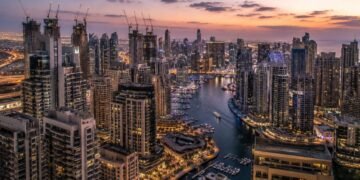
Market analysts including Knight Frank and CBRE emphasize that Dubai’s land boom is structurally grounded rather than speculative. Factors powering this upward trajectory—demographic strength, policy innovation, and infrastructure—suggest the market is embarking on a new growth phase, not reaching cyclical peak. With prime areas such as Dubai Marina and Business Bay sustaining record pricing, and emerging districts like Reem and Dubai South gaining traction, opportunities remain for diversified, long-term investment.
For Indian investors, Dubai’s regulatory clarity, wealth of lifestyle options, and consistent financial returns position it ahead of many competing global markets. As Dubai redefines urban growth and sets new global benchmarks, the emirate offers not just immediate opportunity, but a strategic model for sustainable investment in international real estate.
.
Discover more from Invest Dubai Today - Dubai Realty Insights
Subscribe to get the latest posts sent to your email.