





















Dubai, UAE — Dubai’s residential market is entering a phase where execution visibility is becoming as critical as pricing, particularly in infrastructure-led zones such as Dubai South, where buyer demand is closely tied to employment hubs, logistics activity, and long-term connectivity rather than short-term price momentum.
In this context, Acube Abodes Realty has commenced construction at Altair 52, a mid-rise residential development in Dubai South, marking one of the early groundbreakings of the year as the emirate prepares for a heavier delivery cycle through 2026 and beyond.
Construction-Led Entry in a Supply-Rich Market
Altair 52 officially entered the construction phase following a groundbreaking ceremony attended by the developer, project consultants, contractors, and stakeholders. According to the company, construction is now underway, with completion targeted for 2027.
Also read: Azizi Venice Signals Family-Led Demand in Dubai South Property Market
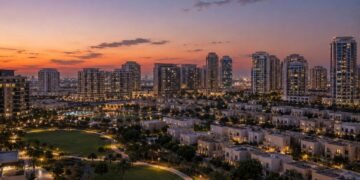
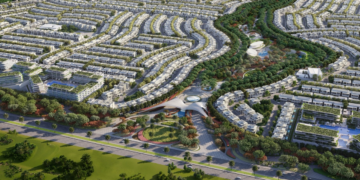
The project is located within Dubai South, a master-planned district anchored by Al Maktoum International Airport and adjacent to major logistics and trade zones, including Jebel Ali Free Zone. The area’s development trajectory has positioned it as a residential base for aviation-linked, logistics, and industrial employment rather than lifestyle-driven demand.
Acube Abodes Realty said Altair 52 comprises 52 residential units, including studios and one-, two-, and three-bedroom apartments, supported by lifestyle amenities and landscaped communal spaces.
Dubai’s Demand Profiles
While much of Dubai’s recent off-plan activity has been concentrated in coastal, branded, or prime urban corridors, Dubai South has followed a different demand pattern. Market participants note that housing absorption in the district is largely driven by end-users and long-horizon investors seeking proximity to workplaces and transport infrastructure rather than near-term capital appreciation.
Also read: South Bay Mall Boosts Dubai South Residential District Retail Hub
This distinction is becoming more pronounced as Dubai’s broader residential pipeline expands. Dubai Land Department data shows that the emirate recorded 215,700 property sales transactions worth AED 686.8 billion in 2025, while 42,784 residential units were completed, up 45% year on year. At the same time, 177,624 new units were launched, extending supply visibility into 2026.
In such an environment, projects that demonstrate construction progress early can carry greater credibility with buyers who are increasingly selective.
Buyer Confidence Linked To Execution Visibility
According to Acube Abodes Realty, approximately 70% of Altair 52’s residential units have already been sold, with sales led by master broker Golden Bricks. The developer attributes this to buyer confidence in the project’s location, layout efficiency, and delivery roadmap.
Commenting on the milestone, Akshay Agarwal, Founder and CEO of Acube Abodes Realty, said the start of construction reflects the company’s approach to value-driven development in emerging districts. He added that Dubai South continues to evolve as a destination supported by infrastructure investment and long-term economic activity.
Market analysts note that such early absorption does not necessarily signal speculative demand, but rather measured buying aligned with job-linked housing needs, particularly as buyers weigh rising supply elsewhere in the city.
Infrastructure, Not Branding, As The Core Value Driver
Unlike branded or resort-linked developments that rely on premium positioning, Altair 52’s investment logic is closely tied to connectivity and functionality. The project benefits from access to major road networks, proximity to Al Maktoum International Airport, and adjacency to logistics corridors expected to see increased activity as aviation capacity expands over the next decade.
Dubai South has also been cited in planning documents as a long-term growth zone for population inflows linked to trade, aviation, and industrial services. This has supported steady rental demand, even as price growth remains more moderate than in prime coastal districts.
Risks And Constraints Remain
Despite the positive signals, analysts caution that Dubai South’s residential performance remains linked to phased infrastructure delivery and employment growth, which can progress unevenly. Price appreciation in the district has historically lagged waterfront and central urban areas, and rental performance varies significantly by building quality and handover timing.
The wider market context also presents challenges. Dubai is forecast to see a substantial increase in residential handovers in 2026, which could increase competition across mid-market apartment segments. While historical construction delays may smooth the delivery curve, buyers remain alert to execution risks.
What To Watch Next
For Altair 52, the next milestones will be construction progress through 2026, adherence to delivery timelines, and leasing performance closer to completion. More broadly, observers will track whether Dubai South continues to attract end-user demand as employment density increases, or whether rising supply in other districts diverts attention.
Investor And End-User Implications
For investors, Altair 52 illustrates how execution-led projects in infrastructure-backed districts can find demand even in a supply-rich cycle, though returns are likely to be steadier rather than outsized. For end-users, particularly those employed in aviation, logistics, or trade-linked sectors, Dubai South continues to offer practical housing options with improving connectivity.
For Indian and NRI buyers, the appeal lies less in short-term appreciation and more in dirham-denominated rental income, lower entry pricing compared to central Dubai, and exposure to employment-driven housing demand. However, outcomes will depend on delivery discipline and how effectively Dubai South’s economic activity translates into sustained occupancy over the next cycle.
Discover more from Invest Dubai Today - Dubai Realty Insights
Subscribe to get the latest posts sent to your email.