












Dubai, UAE — As Dubai’s off-plan supply pipeline continues to expand, developers are increasingly competing on community design and long-term liveability rather than launch velocity alone.
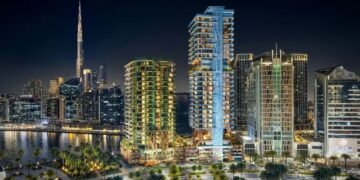
A new amenity-focused partnership announced by Azizi Developments at its Azizi Venice project reflects how Dubai South family-oriented property projects are being positioned to attract sustained end-user demand alongside investors.
Play Infrastructure Signals Shift Toward End-User Retention
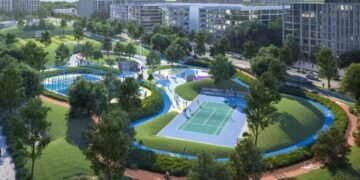
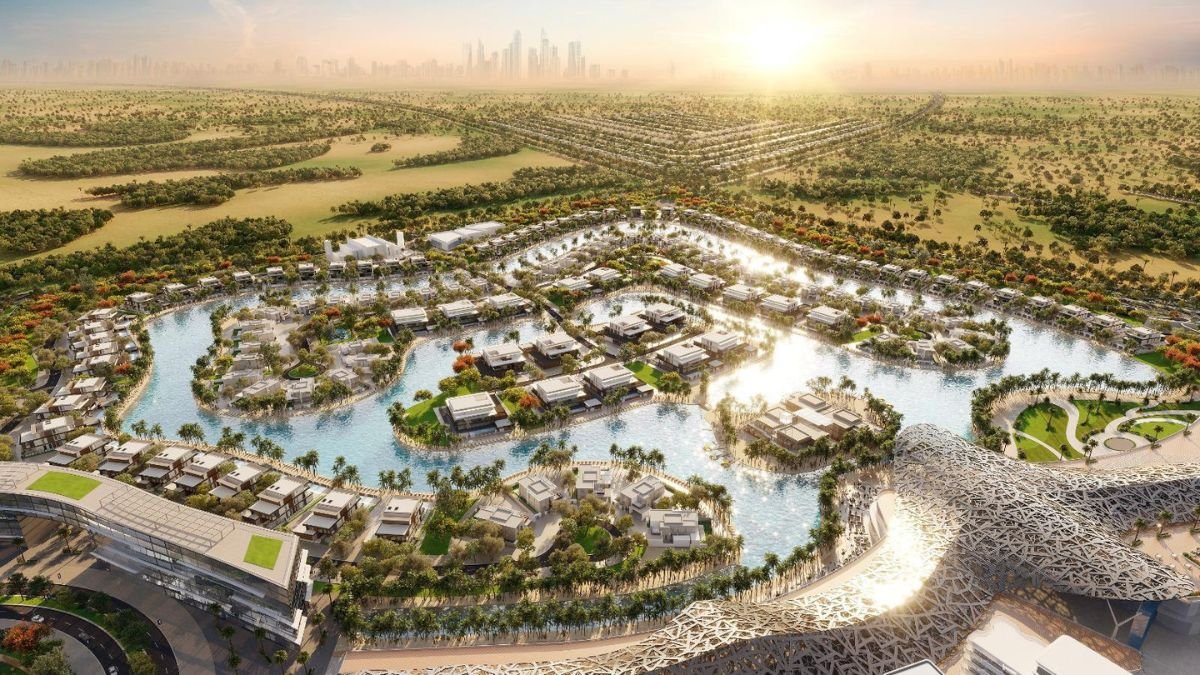
Azizi Developments said it has partnered with Mertoglu, a Turkish manufacturer of outdoor play systems, to install recreational infrastructure across communal areas at Azizi Venice, its large mixed-use development in Dubai South.
Also read: 65% Built: Azizi Riviera Rêve Rides Dubai’s Off-Plan Boom
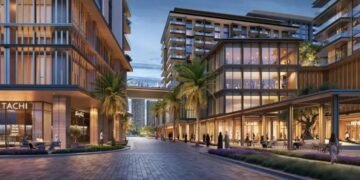
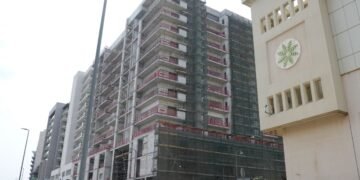
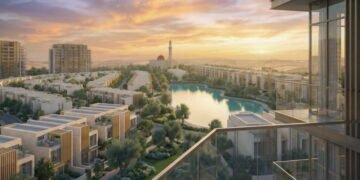
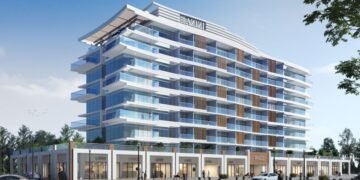
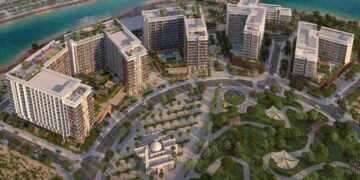
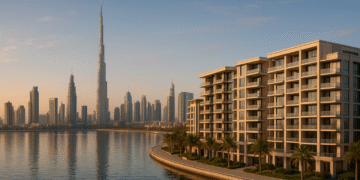
According to the developer, the initiative is intended to support family living and encourage age-inclusive outdoor activity within the community, aligning with its broader approach to master-planned development. Azizi Venice comprises more than 36,000 residential units across over 100 apartment buildings, along with villas and mansions, with Azizi acting as master developer for buildings, infrastructure, and public amenities.
Dubai South Developers Lean on Amenities as Supply Builds
The announcement comes as Dubai’s off-plan market continues to account for a majority of residential transactions. Data from DXB Interact and Bayut show that off-plan sales dominated market activity in 2025, with developers increasingly relying on non-price differentiation to compete for buyers.
In large districts such as Dubai South, where long-term supply pipelines are significant, developers are under pressure to demonstrate liveability and retention potential beyond initial sales cycles. Analysts have previously noted that communities with integrated family infrastructure—such as schools, healthcare access, and recreational space—tend to experience steadier absorption once early investor demand moderates.
Within this context, the focus on child-centric infrastructure at Azizi Venice signals how Dubai South family-oriented property projects are being framed as long-term residential ecosystems rather than purely speculative offerings.
Rental Stability Versus Volume Risk
For investors, particularly Indian and NRI buyers evaluating Dubai South, the emphasis on family-oriented amenities presents both opportunity and risk.
Also read: Azizi Launches Azizi Gabriel Downtown Jebel Ali Investment Apartments
Market data from Knight Frank indicate that Dubai’s residential sector has seen stable rental performance, with apartments yielding around 5–7% and villas 4.5–6%, reflecting ongoing tenant demand even as new supply enters the market. In employment-linked corridors such as Dubai South—anchored by aviation, logistics, and industrial activity—this can support mid-range rental yields over longer holding periods.
Also read: Azizi Starts Beach Oasis I Handover in Dubai Studio City
However, scale remains a critical variable. With tens of thousands of units scheduled for delivery across Dubai South in the coming years, absorption will depend not only on amenity quality but also on pricing discipline, phased handovers, and infrastructure readiness. Investors assessing Dubai South family-oriented property projects must weigh whether lifestyle positioning can offset the broader risk of supply concentration.
Family-Centric Planning Aligns With Residency-Led Demand
Beyond recreational infrastructure, Azizi Venice is planned to include schools, healthcare facilities, retail, hospitality, and cultural venues, according to the developer. Such features align with Dubai’s broader push to attract long-term residents through visa and residency reforms aimed at families and professionals.
Market participants note that projects in emerging districts are increasingly being designed to capture end-user demand rather than short-term capital appreciation alone. For Indian buyers, currency dynamics also play a role, as rupee depreciation can raise entry costs even as rental income remains denominated in dirhams.
Execution Timelines Remain the Key Variable
Execution risk remains a key consideration for large master-planned communities. Delivery timelines, infrastructure sequencing, and amenity completion can materially affect early occupancy and rental performance. Pricing pressure may also emerge if multiple developers launch comparable family-focused projects in the same corridor over a short period.
Additionally, while amenity depth can support demand, it does not fully insulate projects from macroeconomic factors such as interest rate shifts or changes in expatriate inflows.
Absorption and Occupancy Will Define the Next Phase
Investors will be watching how Azizi Venice transitions from launch-driven sales to sustained occupancy, and whether its family-led positioning translates into stable leasing demand post-handover. Broader indicators—such as employment growth in Dubai South, transport connectivity, and school capacity—will be critical in shaping the long-term outlook for similar developments.
What This Means
For investors, the announcement highlights how Dubai South family-oriented property projects are increasingly being designed to prioritise rental stability and end-user retention over speculative upside. For end-users, particularly Indian and NRI buyers considering long-term residence, it signals a growing emphasis on community-led living in non-core districts. Ultimately, the balance between scale, execution, and real household demand will determine whether such projects deliver durable value.
Discover more from Invest Dubai Today - Dubai Realty Insights
Subscribe to get the latest posts sent to your email.